Archive · 7 Nov 2025
Mumbai Exhibition Celebrates Art Deco Heritage and Identity

Imagine two cities, Mumbai and Miami, that love a special kind of old building style called Art Deco, almost like a special club for cities!
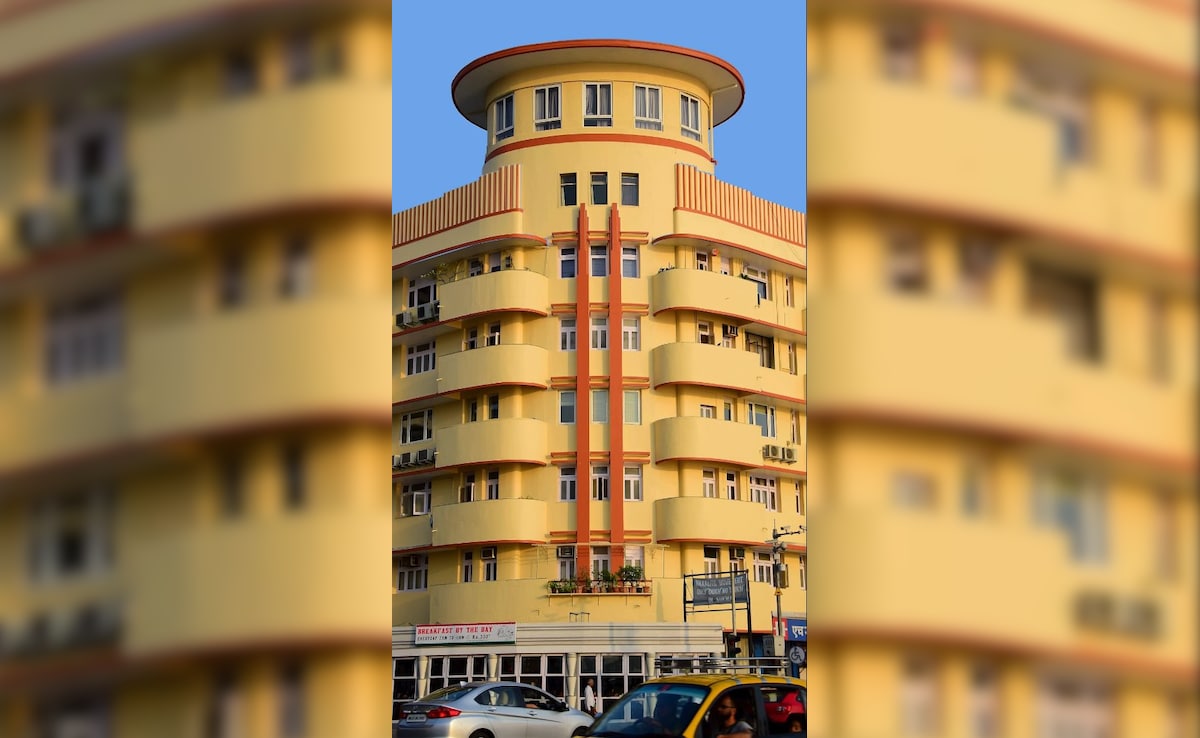
Mumbai has the second most Art Deco buildings in the world, right after Miami.
To celebrate 100 years of this style, a festival is happening in both cities.
It's not just about the buildings themselves, but also about the cool fashion, yummy food, and fun stories from that time.
Think of it as a big party to remember how people lived and designed their lives.
It shows how this old style is still stylish today.
The festival also makes people proud of their city's unique look and history, especially since Art Deco in Mumbai was built by Indians for Indians, even during colonial times.
It reminds us that our cities have a special soul that's worth remembering and keeping safe.

Mumbai and Miami are celebrating 100 years of Art Deco with a twin city festival and exhibition.
The exhibition 'Ocean Drive To Marine Drive: Mapping a Century of Art Deco' highlights the style's architectural and cultural impact.
Mumbai possesses the second-largest collection of Art Deco buildings globally.
The festival emphasizes Art Deco as a lifestyle, encompassing fashion, jewelry, and food, not just architecture.
Officials are considering how Art Deco heritage can inform and coexist with contemporary urban development.
- Who
- Art Deco Alive (founded by Smiti Kanodia, Salma Merchant Rahmathulla, Gayatri Hingorani Dewan), Dr Bhau Daji Lad Museum, Smiti Kanodia (Founder, Art Deco Alive), Dr Tasneem Zakaria Mehta (Managing Trustee & Hon. Director, Dr Bhau Daji Lad Museum), Ashish Shelar (Culture Minister of Maharashtra), Bhushan Gagarani (Commissioner, Brihanmumbai Municipal Corporation), Atul Kumar (Founder Trustee of Art Deco Mumbai Trust).
- What
- A twin city festival and centenary museum exhibition celebrating 100 years of Art Deco, exploring its architectural style, cultural impact, and relevance to urban identity. The exhibition is titled 'Ocean Drive To Marine Drive: Mapping a Century of Art Deco'.
- When
- The global Art Deco period started in 1925, with its arrival in Mumbai in the 1940s. The festival and exhibition are taking place to commemorate the 100th year.
- Where
- Mumbai, India and Miami, USA. The Mumbai exhibition is co-presented by the Dr Bhau Daji Lad Museum.
- Why
- To celebrate the spirit of creativity, foster preservation, education, and collaboration, showcase the breadth of Art Deco beyond architecture, reinforce city pride, and explore its significance in Mumbai's cultural legacy and identity.
Preservation of Heritage
Modernization and Urban Development
Role of Art Deco in Urban Identity
Preservation of Heritage
Art Deco buildings are a vital part of Mumbai's cultural legacy and identity, offering a sense of belonging and connection to the city's history.
Modernization and Urban Development
Cities are undergoing transformation with urban development, and there's a need to consider how heritage can coexist with contemporary needs.
Art Deco's Relevance Today
Preservation of Heritage
Art Deco is a progressive style that incorporates elements like cross-ventilation and simplicity, and its relevance continues to the present day, deserving preservation for the future.
Modernization and Urban Development
There is potential to inspire new construction designs that reflect lessons learned from past architectural styles, potentially responding to contemporary challenges like pandemics.
- Exhibition Title
- Ocean Drive To Marine Drive: Mapping a Century of Art Deco
- Event
- Twin city festival celebrating 100 years of Art Deco
- Organizers
- Art Deco Alive (Mumbai & Miami), Dr Bhau Daji Lad Museum
- Significance
- Mumbai has the second-largest collection of Art Deco buildings globally, after Miami.
- Art Deco's Origins
- Started globally in 1925, arrived in Mumbai in the 1940s, and gained prominence post-plague.
- Scope
- Celebrates not just architecture, but also fashion, jewelry, food, and lifestyle of the Art Deco era.