

1 week ago
Kolkata’s Monsoon Reveals Snakes Living Alongside Expanding Urban Neighborhoods

Snakes usually hide in burrows, but rain can fill those burrows with water.
They then move to higher, drier places, which may include roads, gardens or houses.
The monsoon also brings frogs, toads and rats that snakes can eat.
As Kolkata grows, buildings are replacing some wetlands and open spaces where snakes lived.
However, rats and sheltered areas in neighborhoods can still attract snakes.
Snakes usually do not chase people and generally try to avoid them.
People should not corner or touch a snake, but should call a trained rescuer.
Anyone bitten should go to a hospital quickly instead of using home remedies.

Monsoon flooding drives snakes from inundated burrows toward higher ground, increasing encounters with people.
Urban expansion around Kolkata, Rajarhat and New Town has displaced snakes while leaving food and shelter in some developments.
A Class 3 student was reportedly bitten by a small snake at The Heritage School but was later reported safe.
Medically important species in the region include monocled cobras, Russell’s vipers, common kraits, spectacled cobras and banded kraits.
Experts advise giving snakes space, avoiding concealed areas, calling trained rescuers and seeking hospital care after any bite.
- Who
- Snakes, Kolkata-area residents and wildlife expert Saurabh Ray are central to the report; a Class 3 student was reportedly bitten at The Heritage School.
- What
- The monsoon is bringing snakes out of flooded shelters as urban development increases contact between people and reptiles.
- Where
- Kolkata and surrounding areas including Rajarhat, New Town, The Heritage School and the Sundarbans.
- When
- During the monsoon; the reported school bite occurred this week, and a recent coexistence seminar was also held.
- Why
- Rain floods snake burrows, while urban development changes habitats but can still provide rats, shelter and other conditions snakes need.
Coexistence Perspective
Public-Safety Concern
Why snakes appear
Coexistence Perspective
Saurabh Ray says snakes are usually seeking shelter, food or higher ground rather than trying to confront people.
Public-Safety Concern
Residents may see snakes appearing in homes, gardens, roads and schools as an immediate danger, particularly because some regional species are venomous.
Urban development
Coexistence Perspective
The report presents snakes as animals displaced by construction that may still survive near people because developments contain rats, basements and sheltered spaces.
Public-Safety Concern
Expanding residential areas reduce wetlands and open habitat and increase the chance of encounters and accidental bites.
How people should respond
Coexistence Perspective
People should remain calm, give snakes space and contact trained rescuers instead of chasing or cornering them.
Public-Safety Concern
People must prioritize safety, avoid concealed areas and obtain urgent hospital treatment if bitten.
Key facts
- Main seasonal trigger
- Rainwater inundates snakes’ mainly underground shelters, including old rat burrows.
- Food availability
- Frogs, toads and rodents become more available during the monsoon.
- Reported bite
- A Class 3 student was reportedly bitten by a small snake in a school washroom and later reported safe.
- Seminar
- The Jain Group organized a discussion titled “Coexisting With Snakes in Urban Spaces.”
- Venomous species mentioned
- Monocled cobra, Russell’s viper, common krait, spectacled cobra and banded krait.
- Safety advice
- Keep surroundings clean, seal gaps, use a torch in dark areas and avoid reaching into concealed spaces.
- Emergency response
- After a bite, seek a hospital or medical facility where antivenom is available.
Quotes
Saurabh Ray
Director of MONOSHA Biotech and the Snake Research Institute
“Snakes generally live in burrows, mostly old rat burrows. When it rains, these burrows get inundated, so they come out looking for slightly higher ground.”
 thestatesman.com
“Wherever there is human habitation, rats will come. And because rats are one of the major food sources for snakes, snakes will come too.”
thestatesman.com
Sources
Related news
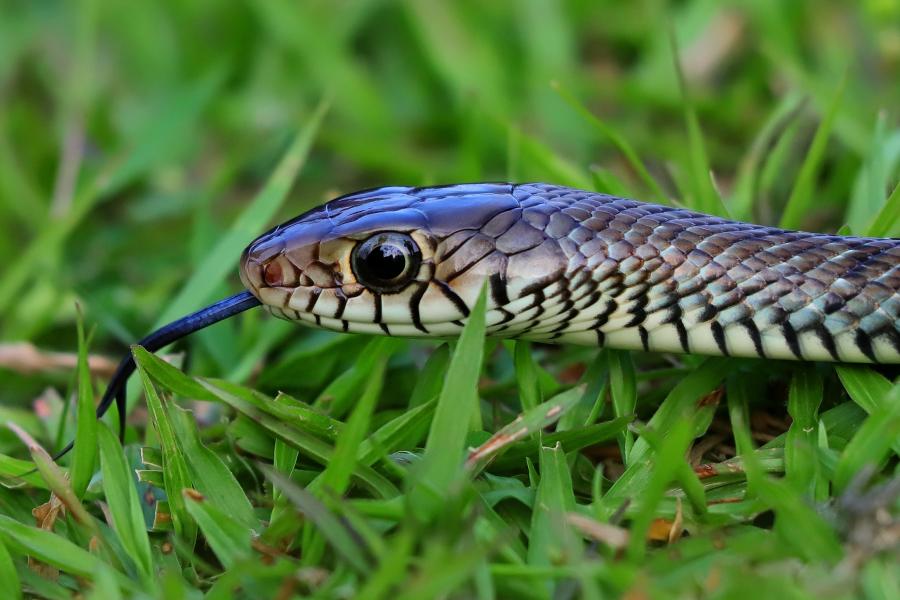
Kolkata Snake Encounters Highlight Four Common Urban Species
Snake Death In Telangana School Sparks Safety Concerns
Four Die in Odisha Snakebites as Monsoon Risks Rise
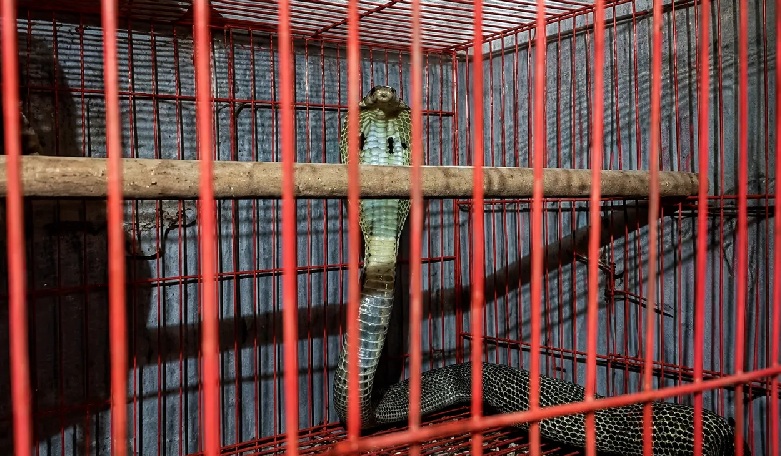
Cobra Slithers Into Odisha Bird Cage, Kills Two Birds

Russell Viper Found in Bengal Tribal School Classroom

Class 1 Student Bitten by Snake at Kolkata School
