

Archive · 20 May 2025
Understanding Deep Vein Thrombosis: Causes, Symptoms, and Treatment
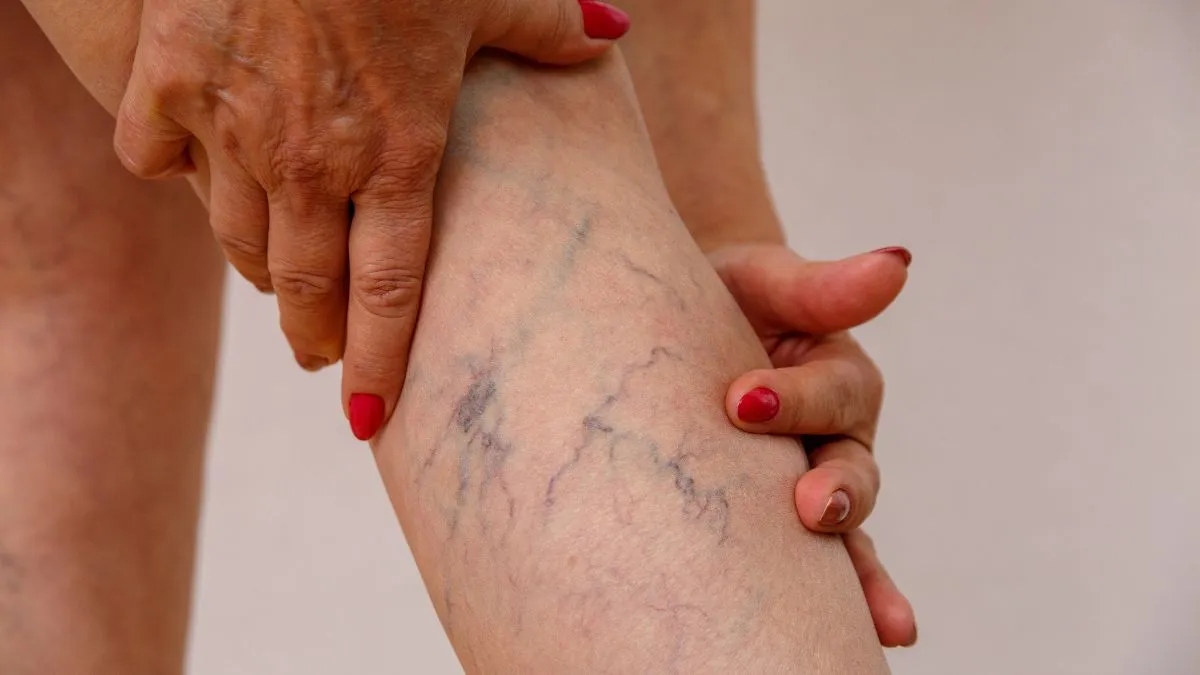
Deep Vein Thrombosis (DVT) happens when a blood clot forms in a deep vein, usually in your leg.
This can cause pain, swelling, and other problems.
It can be caused by things like sitting for too long, surgery, or certain medical conditions.
Doctors use tests like ultrasound to find the clots.
If you have DVT, doctors might give you medicine to thin your blood or use other treatments.
To prevent it, move around, stay hydrated, and talk to your doctor if you are at risk.
It's important to get treated quickly to stay healthy.

DVT is a blood clot in a deep vein, usually in the legs.
Prolonged sitting, surgery, and certain medical conditions increase DVT risk.
Symptoms include swelling, pain, and redness in the affected area.
Diagnosis involves imaging studies like ultrasound.
Treatment includes blood thinners and, in severe cases, surgery.
- Who
- Anyone can be affected by DVT, with increased risk factors including prolonged immobility and certain medical conditions.
- What
- Deep Vein Thrombosis (DVT) is a condition where a blood clot forms in a deep vein, often in the legs.
- When
- Early identification of warning signs greatly minimizes the risk of bad outcomes.
- Where
- Clots typically form in deep veins, most commonly in the legs.
- Why
- Untreated DVT can lead to serious complications, including pulmonary embolism.
- Definition
- Blood clot in deep vein, often in legs
- Symptoms
- Pain, swelling, redness, warmth in affected area
- Causes
- Prolonged immobility, surgery, medical conditions, pregnancy, smoking, obesity
- Diagnosis
- Doppler ultrasound, D-dimer blood tests, venography
- Treatment
- Blood thinners, compression stockings, thrombolytics, surgery