

Archive · 18 Sep 2025
Post-WWII 'Banana Money' Troubles Business in Asia
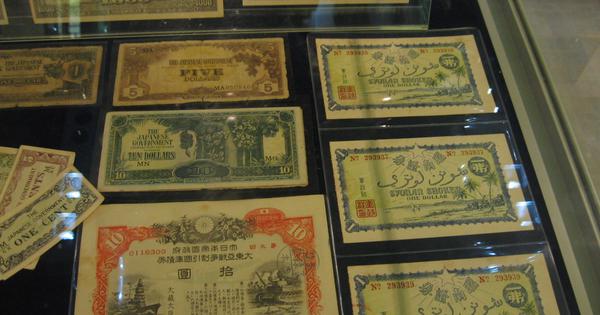
After World War II, the money used by the Japanese in countries like Burma and Malaya, called "banana money," became worthless.
This caused big problems for businesses and people who had been using it.
Imagine owing someone money, but the money you have is now just paper!
This led to legal fights over debts, property, and even where people could live.
Traders and moneylenders, especially the Chettiar community, were hit hard because their money lost value.
The change in money also affected trade and caused disputes between India and Burma, changing how business was done and who could live where.

Post-war, the Japanese occupation currency, dubbed "banana money", became worthless, causing widespread economic disruption.
The use of "banana money" triggered legal disputes related to debts, property, and migrant remittances.
Chettiar moneylenders faced significant losses and legal challenges due to currency devaluation.
Restrictions on migrant remittances and property transfers between India and Burma exacerbated financial difficulties.
The situation created tensions and fueled discussions about citizenship and property rights.
- Who
- Chettiar moneylenders, Burmese, Japanese occupation forces, and traders
- What
- The difficulties with using worthless 'banana money' in post-war financial dealings after WWII in Burma and Malaya, causing significant problems for businesses.
- When
- 1940s, after the end of WWII.
- Where
- Burma, Malaya, India
- Why
- Wartime inflation and currency devaluation led to the worthlessness of the Japanese occupation currency, complicating debt, property, and remittance issues.
- Currency Name
- Banana Money (Japanese occupation currency)
- Key Players
- Chettiar moneylenders, Burmese government, Japanese occupation forces
- Location of Disputes
- Burma, India, Malaya
- Year of the War's End
- 1945
- Key Court Case
- Seethalakshmi Achi's debt recovery case
- Currency Replaced
- British Burmese rupee