

Archive · 27 Jul 2026
Saudi-US Nuclear Deal Raises Proliferation Concerns
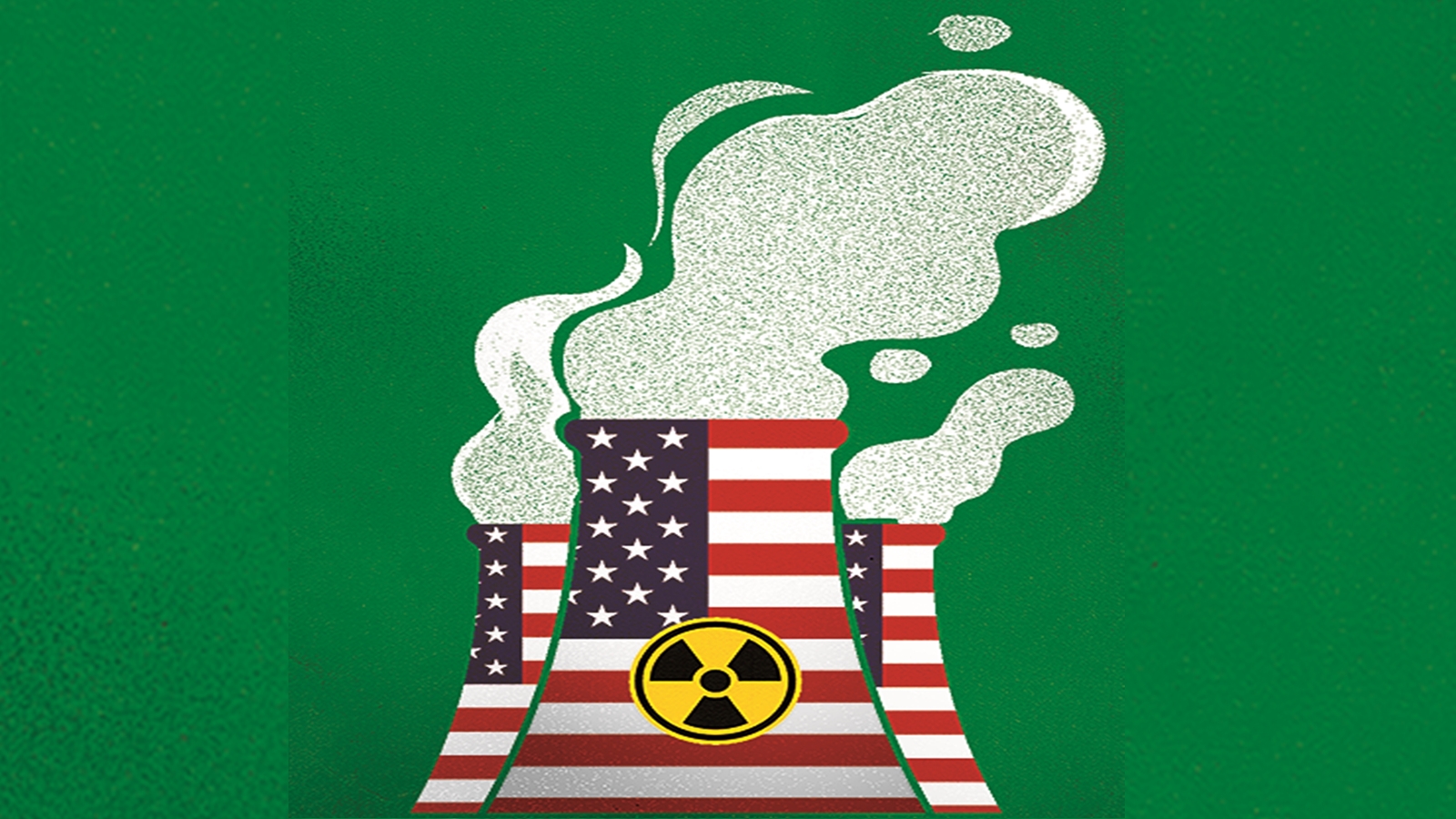
The United States and Saudi Arabia are discussing a nuclear cooperation agreement.
The deal aims to help Saudi Arabia with its energy needs and improve relations with Israel.
However, it raises concerns about nuclear proliferation and could lead to a nuclear arms race with Iran.
The deal also risks increasing tensions between Saudi Arabia and Iran, which have been rivals for a long time.
Israel, which has historically opposed nuclear proliferation in the Middle East, may see this deal as a threat to its regional dominance.
Overall, the deal could have significant implications for regional stability and the balance of power in the Middle East.

The United States and Saudi Arabia are discussing a nuclear cooperation agreement.
The deal aims to normalize Israeli-Saudi relations and support Saudi energy security.
The agreement raises concerns about nuclear proliferation and could lead to a nuclear arms race with Iran.
The deal risks increasing sectarian tensions and altering the power dynamic in the Middle East.
Israel may see the deal as a threat to its regional dominance and could lead to a shift in strategic alliances.
- Who
- United States, Saudi Arabia, Iran, Israel
- What
- A nuclear cooperation agreement between the United States and Saudi Arabia
- When
- The timing is not explicitly stated in the article.
- Where
- Middle East, particularly Saudi Arabia and Iran
- Why
- To normalize Israeli-Saudi relations, consolidate American influence, and support Saudi energy security
Pro-Nuclear Deal
Anti-Nuclear Deal
Non-Proliferation Compliance
Pro-Nuclear Deal
The deal ensures non-proliferation compliance with restrictions on enrichment and reprocessing.
Anti-Nuclear Deal
The deal undermines non-proliferation efforts by facilitating nuclear technology transfer to Saudi Arabia.
Regional Stability
Pro-Nuclear Deal
The deal aims to normalize Israeli-Saudi relations and consolidate American influence in the Gulf.
Anti-Nuclear Deal
The deal could escalate sectarian tensions and lead to a nuclear arms race in the Middle East.
Energy Security
Pro-Nuclear Deal
The deal supports Saudi Arabia's energy security as part of its Vision 2030 economic transition.
Anti-Nuclear Deal
The deal risks destabilizing the region by altering the power dynamic between Saudi Arabia and Iran.
- Countries Involved
- United States, Saudi Arabia, Iran, Israel
- Key Principles
- Non-proliferation, regional alignment, energy security
- Potential Outcomes
- Nuclear arms race, sectarian tensions, regional instability
- Strategic Implications
- Shift in power dynamics, erosion of Israeli-Saudi cooperation
- Historical Context
- Saudi-Iranian rivalry, proxy wars, sectarian divide