7 hrs ago
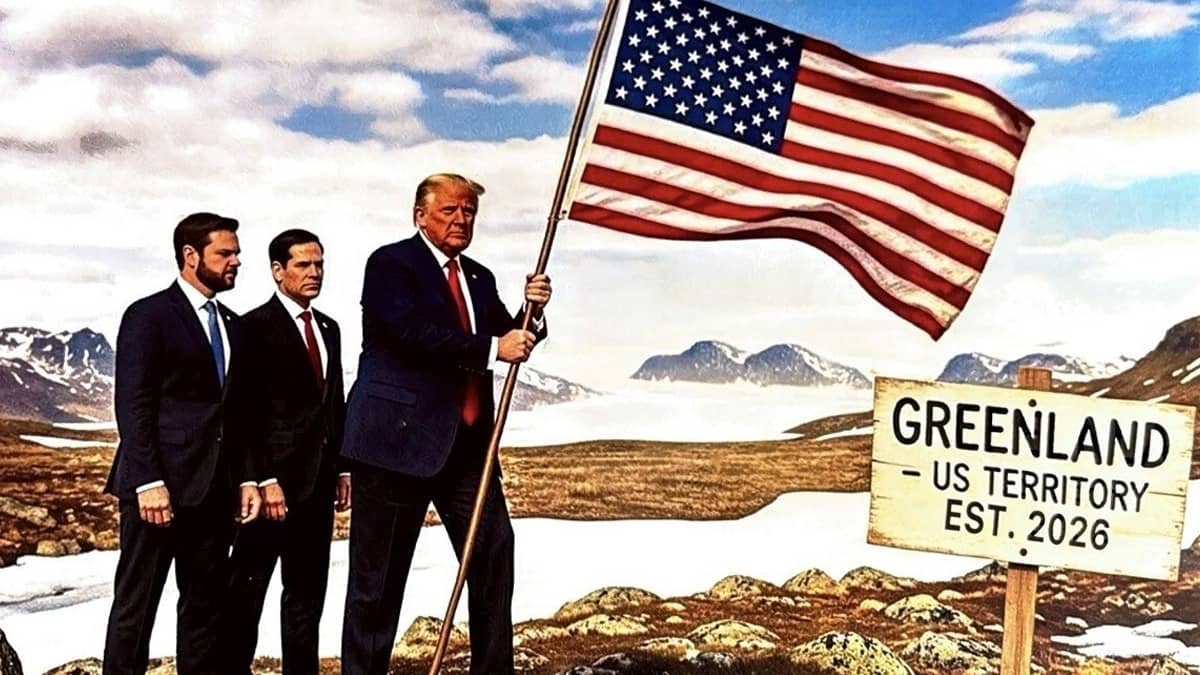
Trump’s Greenland Deal Revives Old Tensions With Denmark
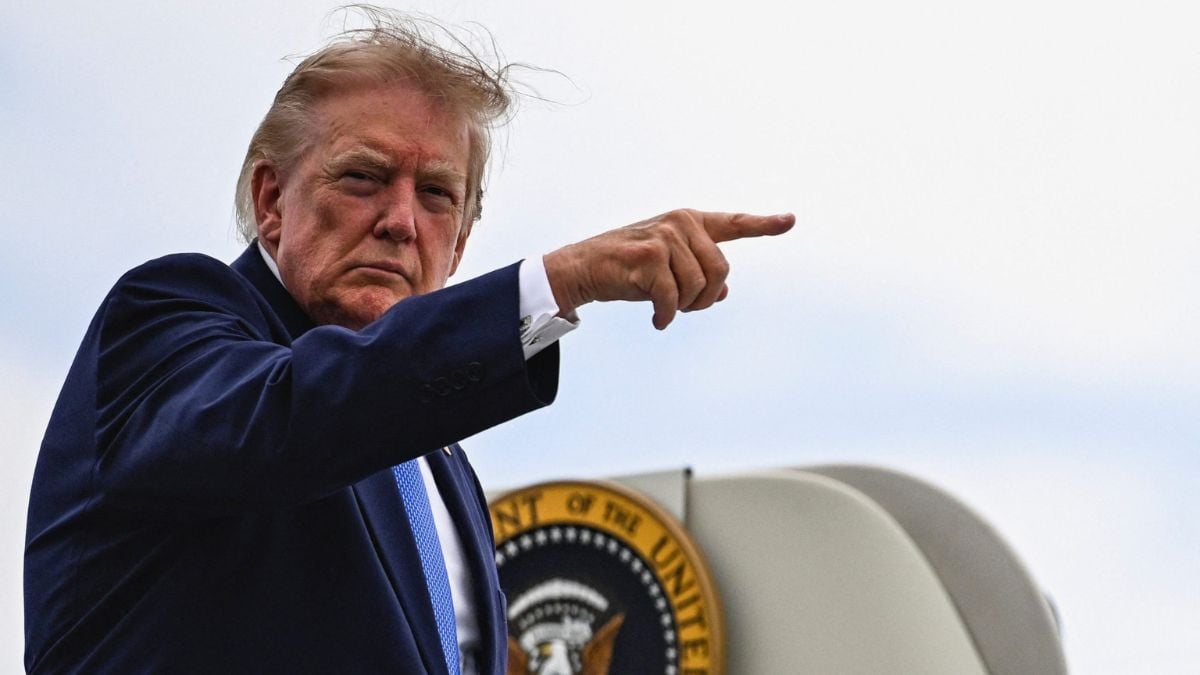
Greenland is part of the Danish kingdom, but it is also very important for American defense.
The United States has used Greenland for military purposes since the early Cold War.
A new agreement reportedly gives America continued access to bases, airspace and military construction.
However, many of these rights were already granted by a treaty signed in 1951.
Greenland is becoming more important because the Arctic ice is melting and new shipping routes may open.
Its natural resources may also become easier to reach.
The article says countries used careful negotiations to protect their alliance during the Cold War.
It argues that President Donald Trump’s public pressure could hurt the trust that made those agreements possible.

The new Greenland agreement reportedly gives the United States permanent access, basing and overflight rights.
Officials say the agreement may allow the United States to build additional military structures unilaterally.
The article argues that many reported American privileges already existed under the 1951 Defence of Greenland Treaty.
Greenland’s strategic importance is growing because of melting ice, Arctic shipping routes and potential mineral access.
The article says Trump’s confrontational approach risks damaging decades of trust between the United States and Denmark.
- Who
- United States President Donald Trump, Denmark and Greenland are central to the dispute.
- What
- A new Greenland agreement reportedly grants the United States continuing military access and possible authority to build additional facilities.
- Where
- Greenland and the wider Denmark-United States relationship.
- When
- The agreement was announced last week; the article also examines arrangements dating from the Cold War.
- Why
- Greenland is strategically important for Arctic defense, surveillance, shipping routes and potential access to rare-earth metals and hydrocarbons.
Strategic Necessity
Diplomatic Risk
Value of the agreement
Strategic Necessity
Supporters can view expanded American access as useful for addressing security concerns and preventing China or Russia from gaining a strategic foothold in Greenland.
Diplomatic Risk
The article argues that many of the reported rights were already secured by the 1951 treaty, making the new agreement less substantive than claimed.
Approach to Denmark
Strategic Necessity
A forceful American approach may be seen as a way to secure control over an increasingly important Arctic region.
Diplomatic Risk
The article says public pressure and bullying could damage the trust that has sustained United States-Denmark cooperation for generations.
Military presence and nuclear weapons
Strategic Necessity
American bases and nuclear strategy were presented during the Cold War as necessary to deter the Soviet Union and defend NATO allies.
Diplomatic Risk
Denmark and Norway feared that hosting nuclear weapons could make their territories targets, while Greenland later became a nuclear-free zone after the Thule crash.
Key facts
- Reported agreement
- Officials said it provides permanent access, basing and overflight rights for the United States.
- Military construction
- The agreement is reported to give the United States unilateral power to build additional military structures.
- Earlier treaty
- The Defence of Greenland Treaty of 1951 already granted the United States control of airspace and anchorage over designated defense areas.
- Cold War facility
- A secret ice facility built in northern Greenland in 1959 was intended to expand into a large military complex.
- Facility closure
- The ice facility was abandoned within two decades after shifting ice crushed its tunnels.
- Nuclear policy
- After the 1968 Thule crash, the United States agreed to demands for Greenland to become a nuclear-free zone.
- Strategic change
- The article says Arctic routes may become ice-free year-round before the middle of this century.
Quotes

Nikolai Bulganin
Soviet prime minister who warned Denmark about foreign military bases in 1957
“For countries the size of Denmark, the granting to foreign powers of the possibility of establishing bases would, in the event of the outbreak of an atomic war, be synonymous with suicide.”
 theprint.in
Sources
Related news
Trump Announces Greenland Deal as Denmark Rejects Sovereignty Transfer
Trump Announces Permanent U.S. Security Deal for Greenland With Denmark
NATO Backs Greenland Security Deal as US-Denmark Tensions Ease
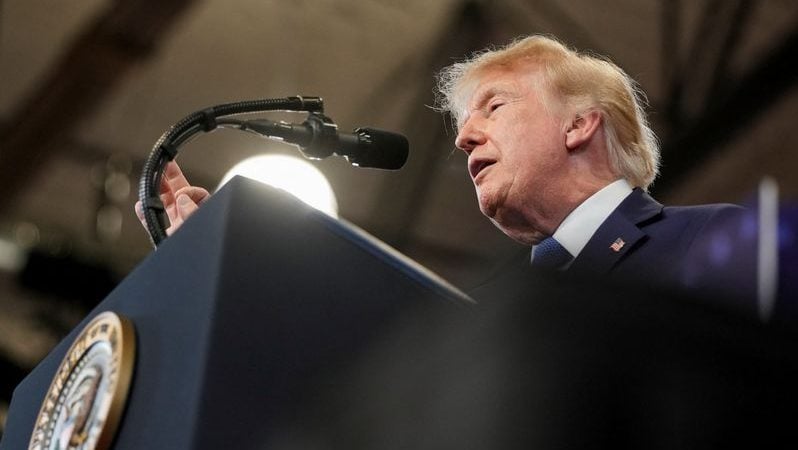
Greenland Deal Expands U.S. Access Without Ending Danish Sovereignty

Trump Says US Secures Permanent Military Rights in Greenland Deal
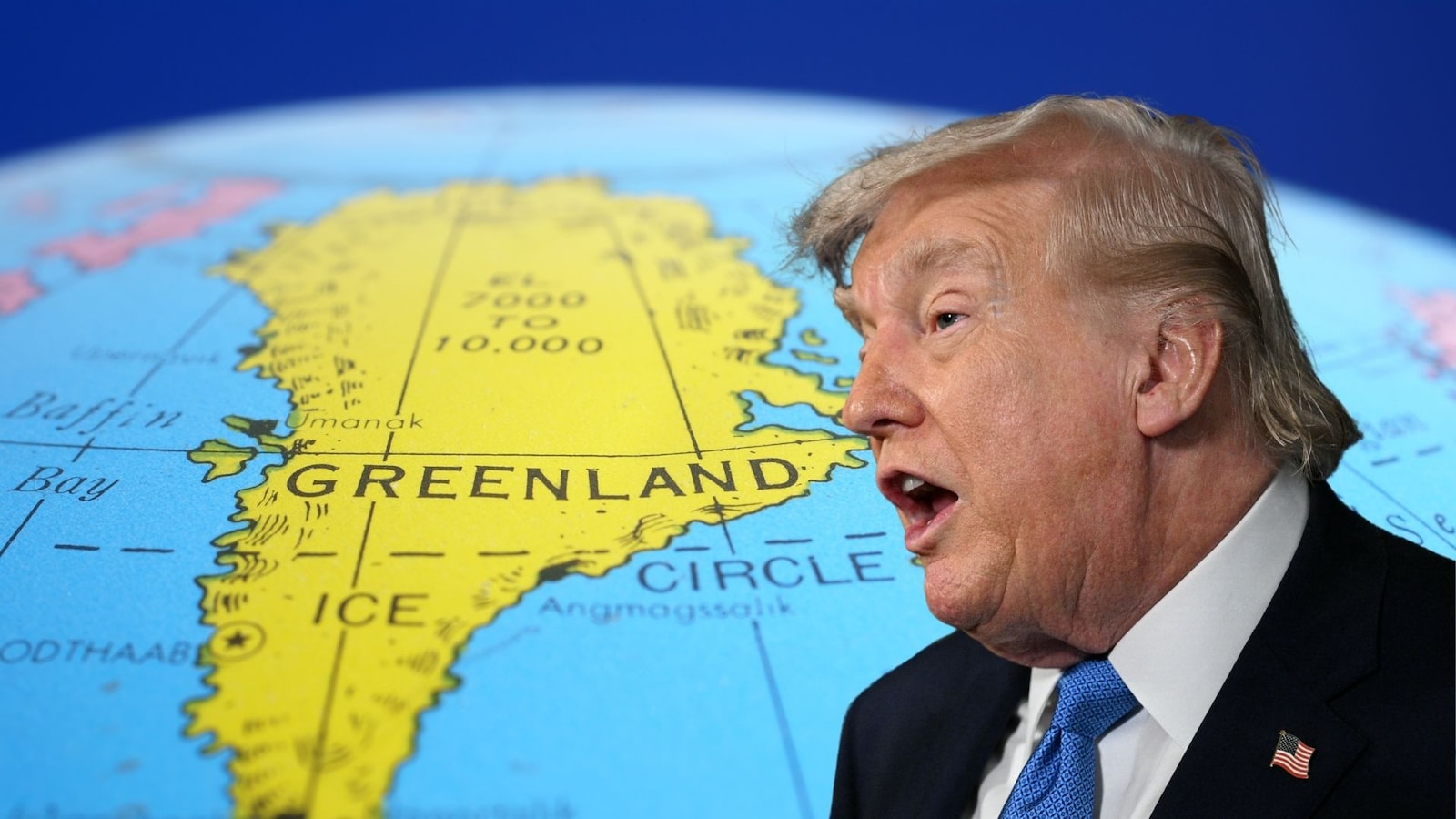
Trump’s Greenland Security Deal Expands U.S. Arctic Military Reach

September 21 Assembly Headlines Span India, World, Sports

Oslo and Roskilde Museums Reveal Ships’ Exploration Histories