

3 weeks ago
DMRC Urges Avoiding Kite Flying Near Elevated Metro Lines

The Delhi Metro is a giant electric train that helps millions of people travel around Delhi.
Many of its tracks run high above the streets, with very powerful electric wires overhead that give the trains their power.
Soon, India will celebrate its Independence Day, and people like to celebrate by flying colorful kites in the sky.
But if a kite string touches the electric wires, it can cause big problems.
The trains could stop running, and the person holding the kite could get badly hurt.
Some kite strings are coated with shiny metal or glass, which makes them even more dangerous near electricity.
The people who run the Metro are asking everyone to fly kites in open parks and fields, far away from train tracks.
They have also put special teams near stations to quickly remove any kite strings that appear.
Following these simple rules keeps everyone safe and helps the trains keep running.

The Delhi Metro Rail Corporation (DMRC) issued an advisory on Wednesday urging people to avoid flying kites near elevated Metro lines in Delhi-NCR ahead of Independence Day.
The Delhi Metro network, spanning around 416 km across Delhi-NCR, is predominantly elevated and powered by 25,000-volt overhead equipment (OHE) wires running parallel to the tracks.
Kite strings can get entangled in the OHE wires or get stuck in the pantograph of a moving train, potentially damaging equipment and disrupting Metro services.
DMRC cautioned against using metallic or metal-coated manjha, warning that direct or indirect contact with the 25,000-volt OHE could prove fatal.
Dedicated teams are deployed near kite-prone stations to promptly remove kite strings, and train operators and station staff have been advised to remain vigilant.
- Who
- Delhi Metro Rail Corporation (DMRC)
- What
- Issued a public advisory urging people to avoid flying kites near elevated Metro lines in Delhi-NCR ahead of Independence Day
- Where
- Delhi-NCR
- When
- Wednesday, August 12, ahead of Independence Day (August 15)
- Why
- Kite strings can get entangled in the 25,000-volt overhead equipment wires or get stuck in train pantographs, disrupting Metro services and posing fatal risks, especially with metallic manja
Key facts
- Issuing body
- Delhi Metro Rail Corporation (DMRC)
- Date of advisory
- Wednesday, ahead of Independence Day (August 15)
- Metro network
- 416 km across Delhi-NCR
- Overhead equipment voltage
- 25,000 volts
- Primary risk
- Kite strings entangling in OHE wires or getting stuck in train pantographs
- Safety warning
- Any contact with OHE may prove fatal, especially with metallic or metal-coated manja
- Mitigation measures
- Dedicated teams at kite-prone stations remove kite strings; train operators and station staff advised to stay vigilant
Quotes

Delhi Metro Rail Corporation (DMRC)
Official spokesperson of Delhi Metro Rail Corporation
““To prevent such incidents, DMRC appeals to and seeks the cooperation of the general public in refraining from flying kites in the vicinity of elevated Metro lines passing through residential areas for their own safety, as any direct or indirect contact with the 25,000‑volt OHE may prove fatal, besides leading to OHE tripping or damage to the Metro train/pantograph, thereby resulting in service disruptions.””
 thestatesman.com
““Delhi Metro, which presently operates a network of 416 km in Delhi-NCR, is primarily elevated, with 25,000‑volt live overhead equipment (OHE) wires running parallel to the tracks to power trains for daily passenger services,” the DMRC said”
thestatesman.com
Sources

Related news
Delhi discoms urge safe kite flying, warn against metal-coated manjha
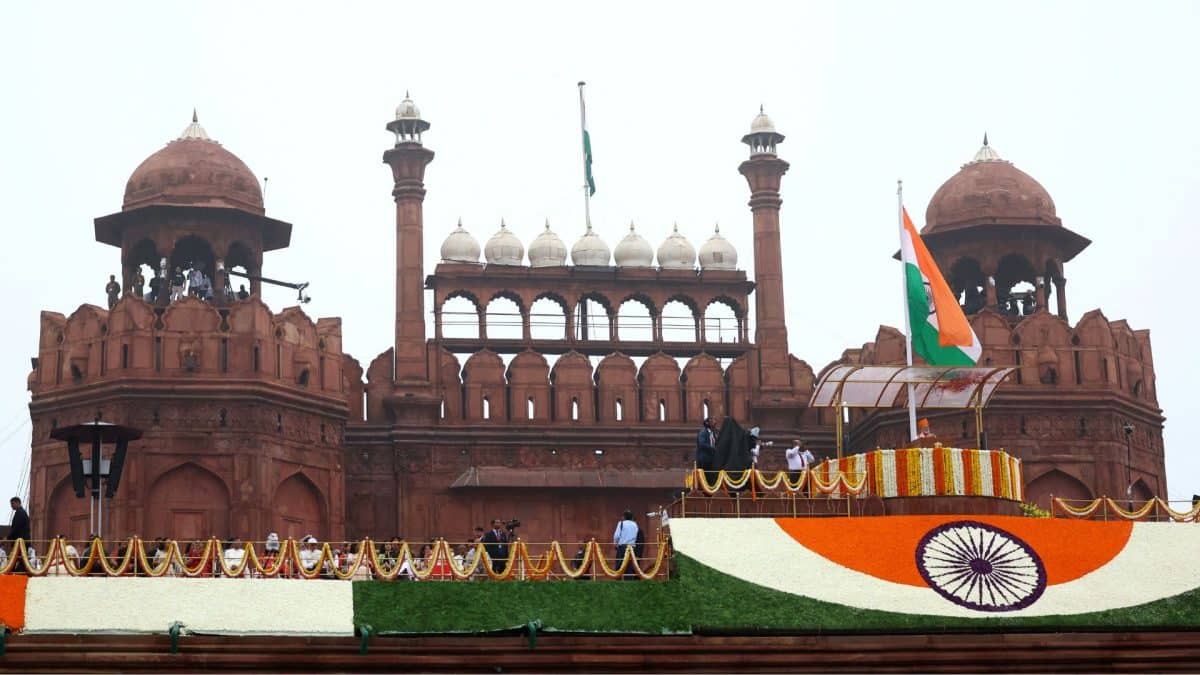
Delhi Police Bans Kite Flying at Independence Day 2026 Venues

Delhi teenager burned after kite string touches high-tension wire
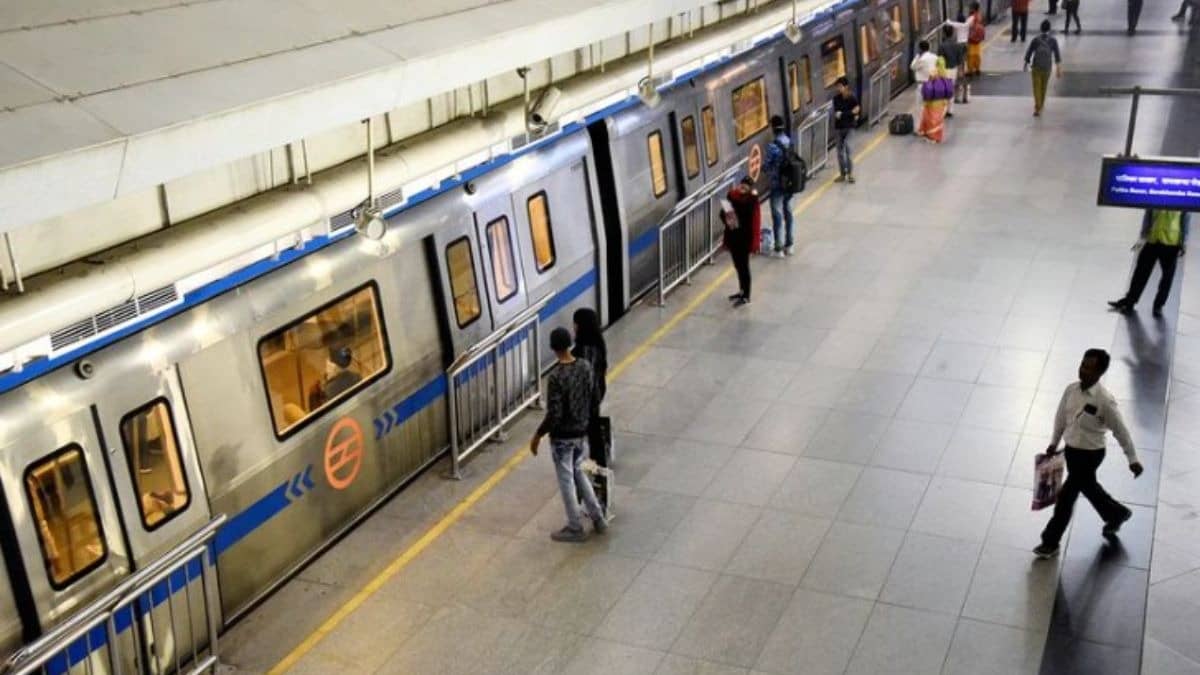
Delhi Metro Begins Escalator Overhaul at Six Yellow Line Stations
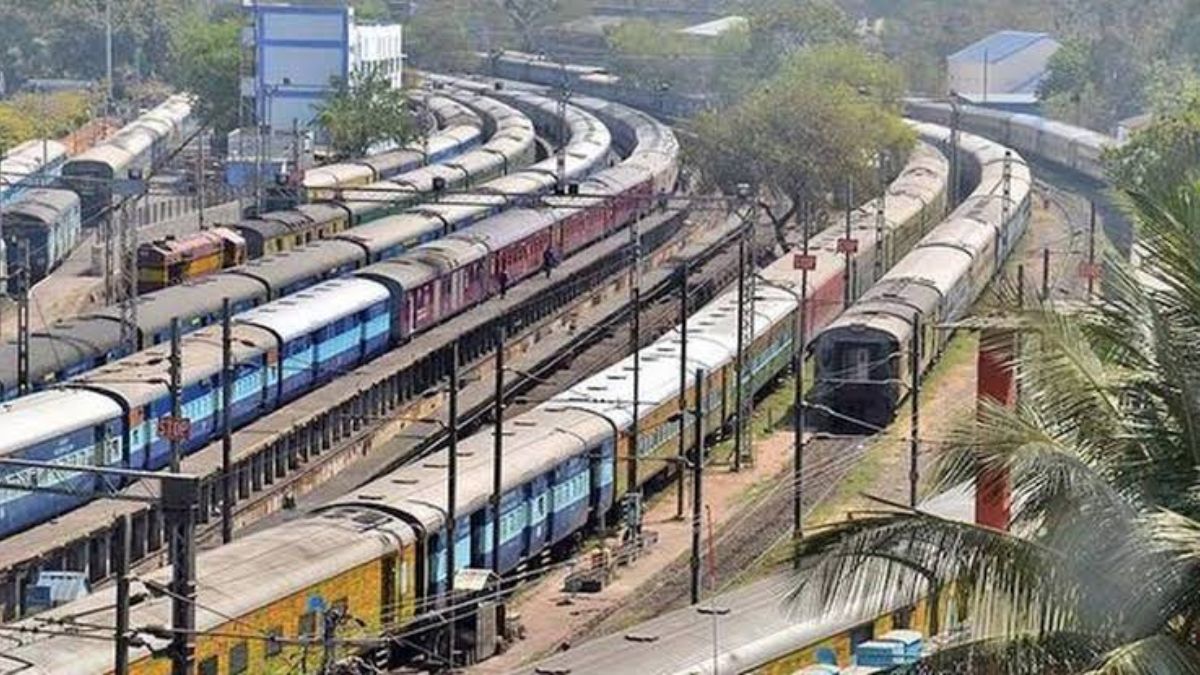
Bird Strike, Wheel-System Snag Disrupt Mumbai and Vande Bharat Services
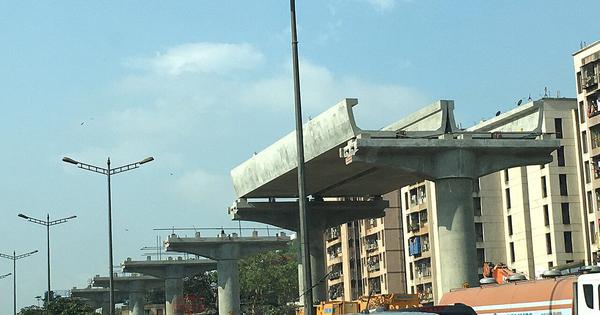
Mumbai Metro 7A Viaduct May Face Rs 250-Crore Rebuild
Delhi Regulates VVIP Routes for BRICS Rehearsal

Raksha Bandhan Rush Chokes Delhi Roads, Crowds Metro Stations
India, Japan Shift Economic Partnership Toward High-Tech Growth
Delhi 2047 Plan Targets 24-Hour Transit, Affordable Housing

Modi Pitches Deregulation and Reforms as India’s Growth Driver
