

Archive · 18 Nov 2025
AI-Powered Wearables Predict Seizures, Cardiac Risks Early
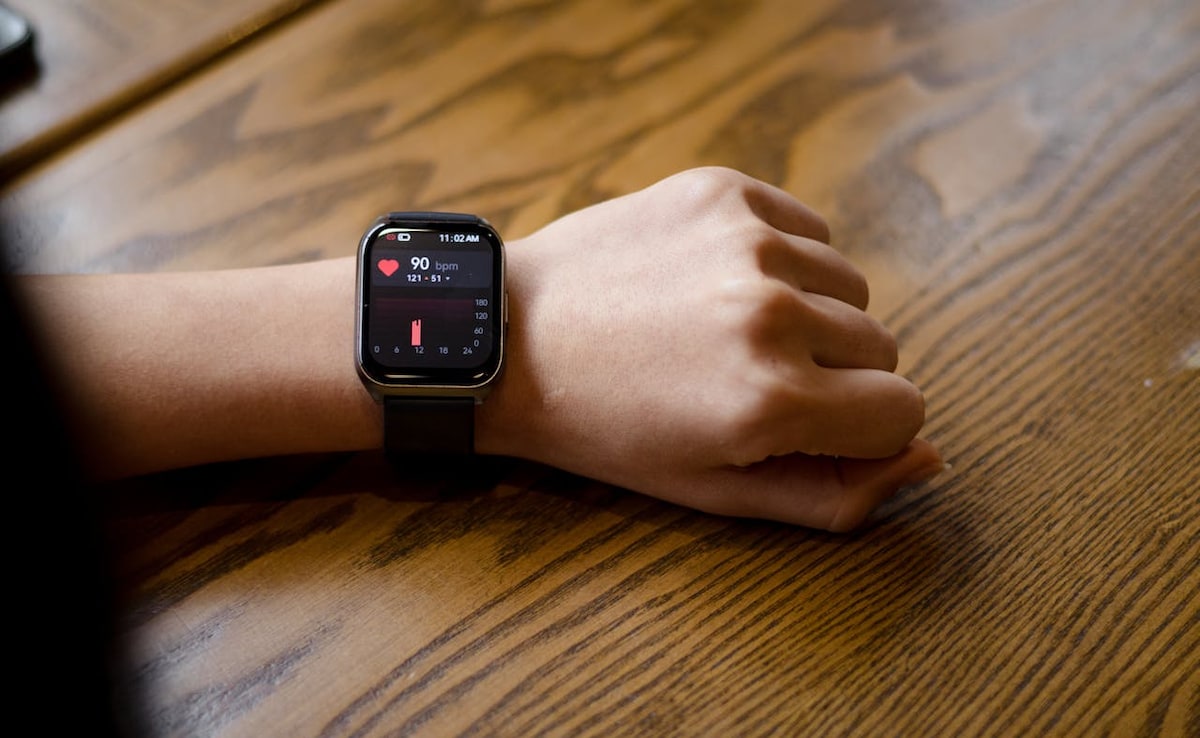
Special watches and bands use AI to check your heart, sleep, and other things.
They can tell if you might have a heart problem or seizure before it happens.
Doctors use this info to help you.
But don't try to diagnose yourself, always see a doctor.

AI wearables monitor heart rhythms, oxygen levels, sleep patterns, skin temperature, and electrical activity
They help detect early signs of arrhythmias, cardiac distress, and seizures
Early detection can prevent life-threatening delays, especially for patients with epilepsy or heart disease
Doctors use data from these wearables to track patterns and develop treatment plans
Wearables are not medical devices and should not be used for self-diagnosis
- Who
- Patients with epilepsy or heart disease, and doctors
- What
- Use AI-powered wearables to predict seizures and cardiac risks
- When
- In 2025 and beyond
- Where
- Worldwide
- Why
- To detect medical emergencies early and prevent life-threatening delays
Proponents of AI wearables
Skeptics and critics
Accuracy and reliability
Proponents of AI wearables
AI algorithms improve prediction accuracy with more data
Skeptics and critics
Wearables may not be reliable for diagnosing serious conditions like heart attacks
Privacy and data security
Proponents of AI wearables
Wearables benefit patients and doctors by tracking health data
Skeptics and critics
Data collection raises concerns about privacy and misuse of personal information
- World Health Organization (WHO) estimate
- Cardiovascular diseases are the leading cause of death globally
- WHO estimate for epilepsy
- Affects around 50 million people worldwide
- Wearable technology market projection
- Expected to reach $64 billion by 2027