

Archive · 20 Nov 2025
India-Japan to Collaborate on Lunar Mission to Find Water Ice
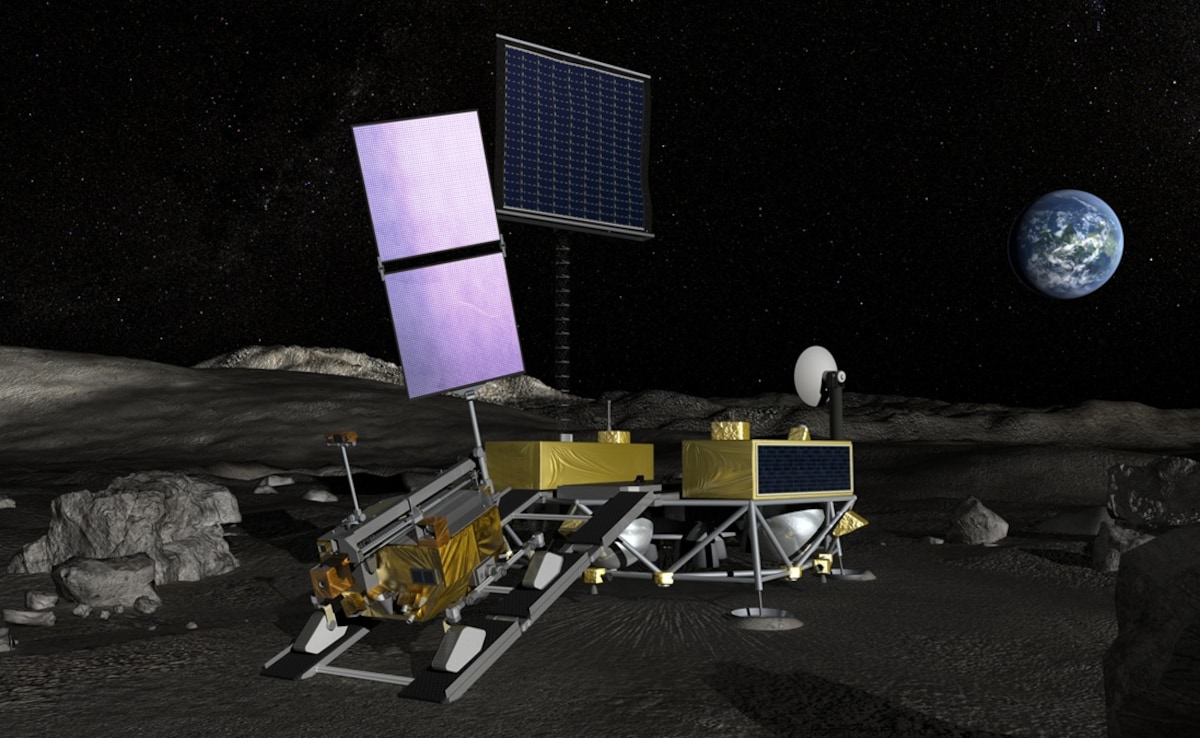
India and Japan are teaming up to send a big rover to the Moon's South Pole in 2028.
They want to find water ice, which can be used for drinking and making rocket fuel.
India will provide the landing part, and Japan will send the rover and the rocket.
This mission could help us live on the Moon and explore other planets.

India and Japan are collaborating on the Lunar Polar Exploration Mission (LUPEX) to search for water ice on the Moon's South Pole.
India will provide the lander, leveraging its proven technology from Chandrayaan-3, while Japan will contribute its powerful H3 launch vehicle and a sophisticated rover.
The mission aims to find water, a crucial resource for human survival and space exploration, as it can be split into hydrogen and oxygen to create rocket fuel.
The rover, weighing around 350 kilograms, will be the heaviest ever sent to the Moon and is designed to operate for 100 days, enduring extreme lunar conditions.
The mission is slated for launch in 2028 and is a historic collaboration between the Indian Space Research Organisation (ISRO) and Japan Aerospace Exploration Agency (JAXA).
- Who
- Indian Space Research Organisation (ISRO) and Japan Aerospace Exploration Agency (JAXA)
- What
- Lunar Polar Exploration Mission (LUPEX) to search for water ice on the Moon's South Pole
- When
- 2028
- Where
- Moon's South Pole
- Why
- To find water, a crucial resource for human survival and space exploration
Proponents of LUPEX
Skeptics
Water Ice Importance
Proponents of LUPEX
Water ice is crucial for human survival and space exploration, making LUPEX a vital mission.
Skeptics
Other resources, like solar power, should be prioritized before water.
- Mission Name
- Lunar Polar Exploration Mission (LUPEX)
- Launch Year
- 2028
- Target Location
- Moon's South Pole
- Indian Contribution
- Lander
- Japanese Contribution
- H3 launch vehicle and rover
- Rover Weight
- Around 350 kilograms
- Expected Rover Lifespan
- 100 days