2 days ago
Uzbekistan Confirms Chinese J-10CE Fighters Enter Service
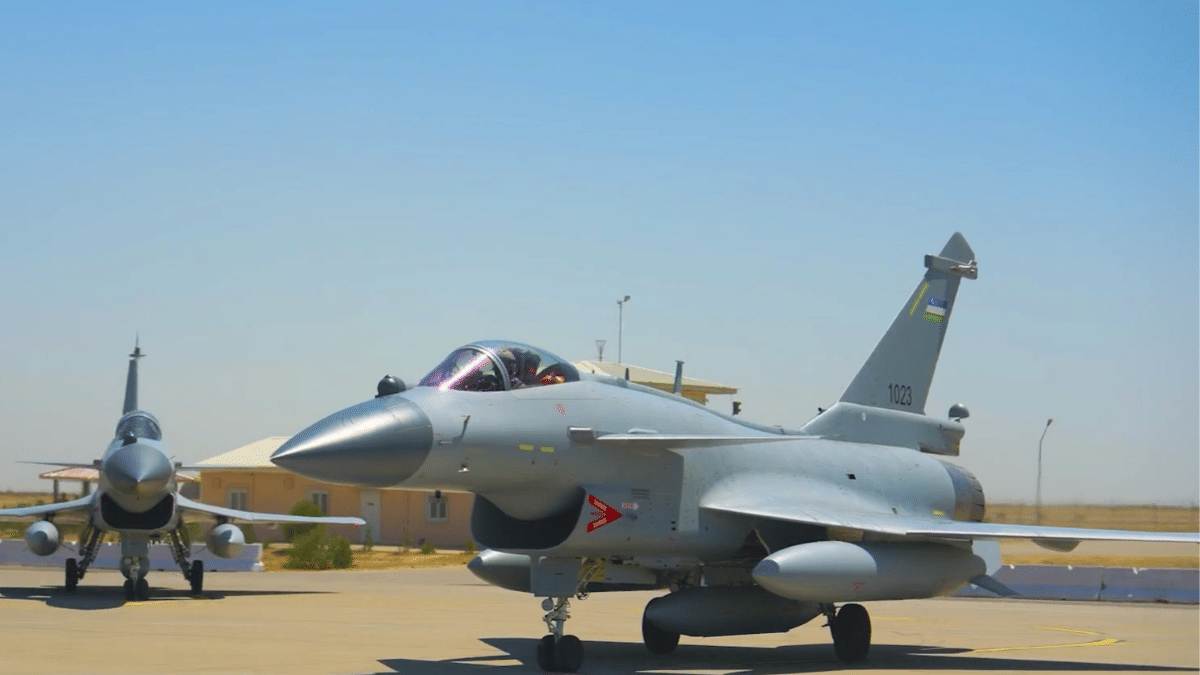
Uzbekistan has confirmed that it is using Chinese-made J-10CE fighter jets.
The country’s Ministry of Defence released videos showing the aircraft.
This is the first official public confirmation that the jets are part of Uzbekistan’s air force.
Uzbekistan has reportedly ordered 24 of them.
Six jets were seen at Karshi-Khanabad Air Base.
The J-10CE is a multirole fighter, meaning it can perform different combat missions.
The aircraft are expected to replace Uzbekistan’s older MiG-29 interceptors.
Pakistan is currently the only other known foreign country operating the J-10CE.

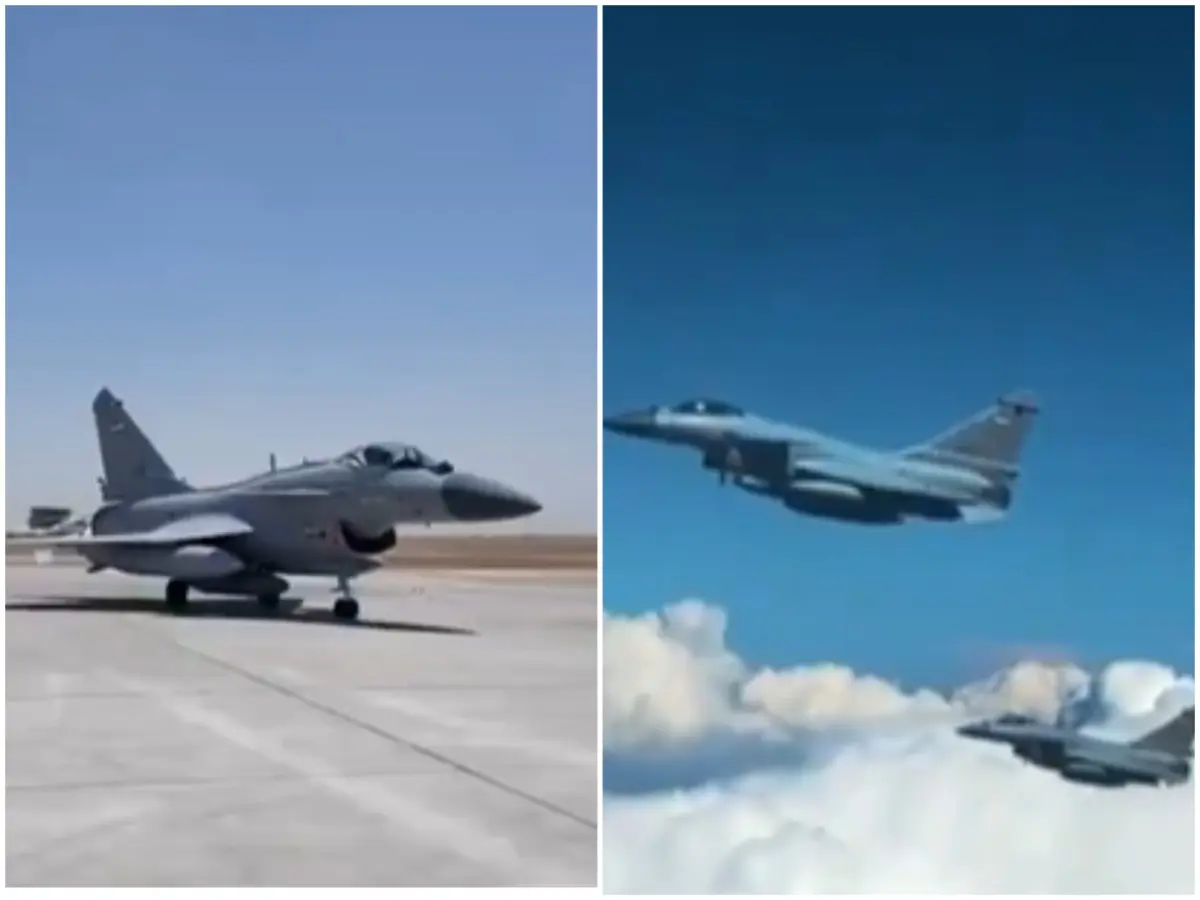
Uzbekistan’s Ministry of Defence released official videos showing Chinese-built Chengdu J-10CE fighters in service.
The footage confirms the aircraft’s introduction into Uzbekistan’s combat aviation fleet.
Uzbekistan has reportedly ordered 24 J-10CE multirole fighters.
Six J-10CE jets were shown at Karshi-Khanabad Air Base.
Uzbekistan becomes the second known foreign operator after Pakistan, with the fighters set to replace MiG-29 interceptors.
- Who
- Uzbekistan’s Ministry of Defence and Uzbek Air Force; the aircraft are Chinese-built Chengdu J-10CE fighters.
- What
- Uzbekistan publicly confirmed that J-10CE multirole fighter jets have entered service.
- Where
- Six aircraft were shown at Karshi-Khanabad Air Base in Uzbekistan.
- When
- The date of the official video release is not specified in the article.
- Why
- The fighters are set to replace the Uzbek Air Force’s MiG-29 interceptors and upgrade its fighter fleet.
Key facts
- Aircraft
- Chengdu J-10CE multirole fighter
- Reported order
- 24 aircraft
- Aircraft shown
- Six J-10CE jets
- Base shown
- Karshi-Khanabad Air Base
- Foreign operators
- Uzbekistan is the second known international operator after Pakistan.
- Planned replacement
- Uzbekistan’s MiG-29 interceptors
- Manufacturer country
- China
Quotes
Zahed Ur Rahman
Bangladeshi prime minister’s adviser discussing the proposed J-10CE acquisition
“If budget support is available this fiscal year, the purchase will go ahead. Otherwise, it will be deferred to the next budget.”
 theprint.in
Sources
Related news
Bangladesh weighs Chinese J-10CE jets in air force modernization

Bangladesh Favors China’s J-10CE Over Rafale for Modernization

China’s J-16 Fighters Join Rafales in Egypt Exercise

Bangladesh, China Advance Teesta, Defense and Economic Cooperation Plans
Turkish, Chinese Military Airlift to Pakistan Raises Cargo Questions