

Archive · 5 Jun 2025
India's Textile Industry Embraces Sustainability for Future Growth
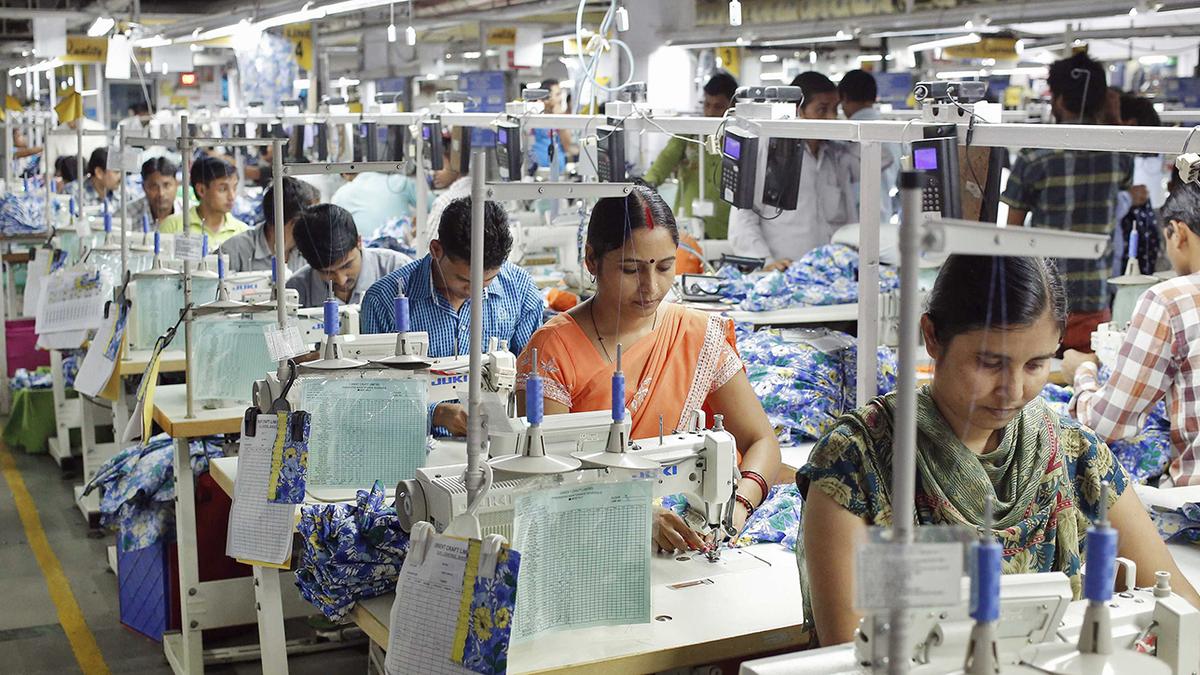
India's textile industry is a big player, but it's facing problems like competition and changing consumer demands.
To stay strong, they're trying new things like 'regen farming' which helps farmers and the environment, and making sure clothes can be traced back to their origin.
They are also focusing on not wasting materials and making things circular, like reusing factory scraps.
This should help India's textile industry stay ahead and create jobs.

India's textile industry faces challenges from geopolitical tensions and supply chain issues.
Adopting sustainable practices like regenerative farming and circularity can strengthen India's global textile leadership.
Regenerative farming in India is gaining traction, with positive impacts on yields and farmer incomes.
Traceability solutions are crucial for product credibility and are valued by consumers.
Product circularity, including waste reduction and reuse, is key to a sustainable future for the industry.
- Who
- The Indian textile industry, including farmers, manufacturers, and consumers.
- What
- The Indian textile industry is adopting sustainable practices to maintain global leadership.
- When
- The practices are being implemented now with a projected growth to $350 billion by 2030.
- Where
- India
- Why
- To overcome challenges such as geopolitical tensions and meet evolving consumer demands.
Current Challenges
Sustainable Solutions
Global Market Competitiveness
Current Challenges
Geopolitical tensions, fragmented supply chains, and price volatility threaten the industry's presence.
Sustainable Solutions
Adaptability, innovation, and resilience are essential.
- Projected Industry Growth
- $350 billion by 2030
- New Jobs Projected
- 35 million
- Consumers valuing sustainability & traceability
- 37% in 2023 survey
- Textile waste generated annually
- 8.5% of world's total