

Archive · 26 Jan 2026
Doctor Explains Beard Burn and Its Effects
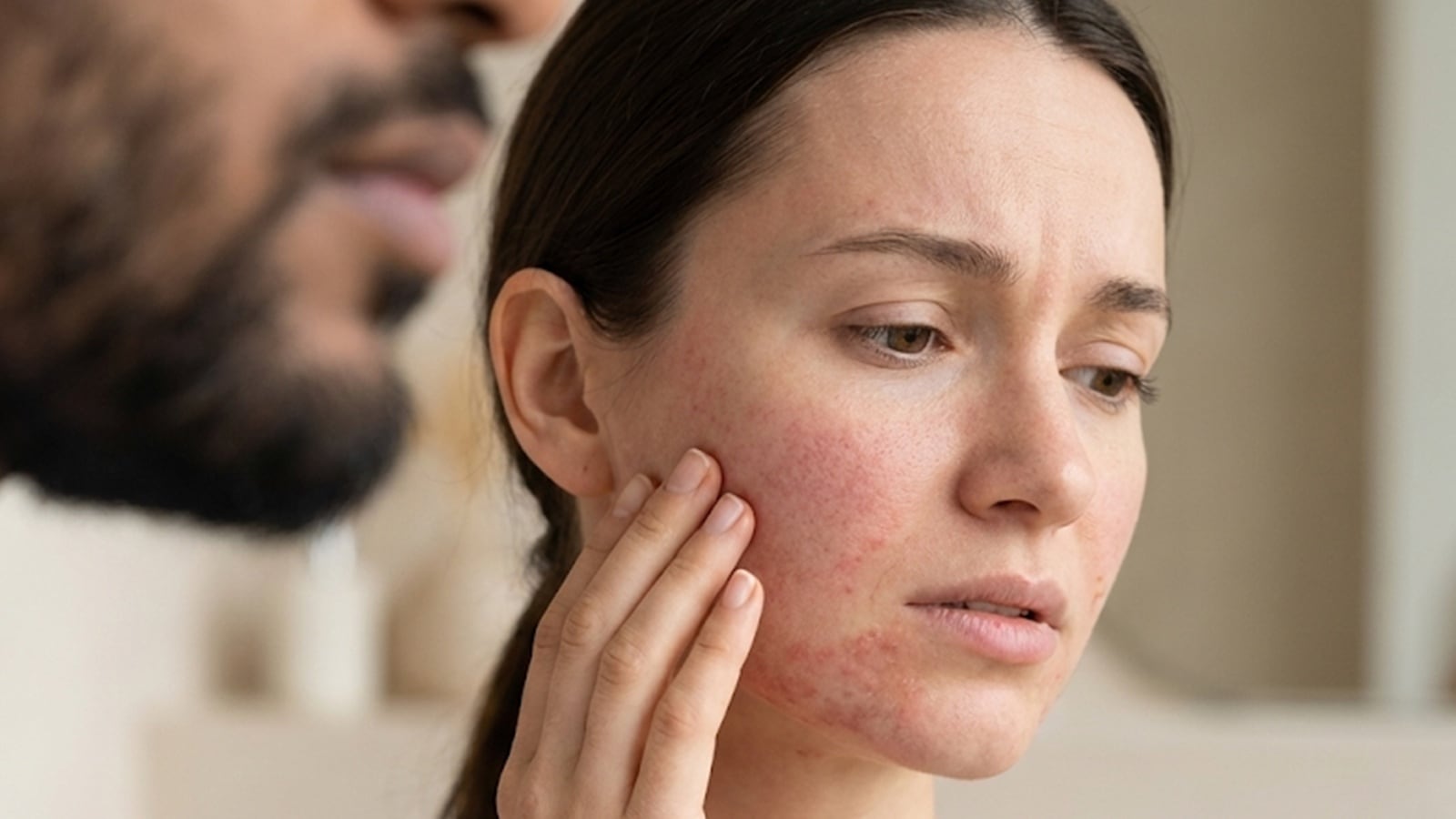
Beard burn is a condition that happens when coarse facial hair rubs against the skin, causing redness, itching, and irritation.
It's more common than you might think and can affect anyone, especially those with sensitive skin.
The friction can disrupt the skin's protective layer, making it dry and prone to inflammation.
In some cases, it can even lead to infections.
To prevent beard burn, experts suggest keeping the beard clean, trimmed, and moisturized.
For those with sensitive skin, maintaining a strong skin barrier with gentle skincare products is important.
If the irritation persists, it's best to consult a dermatologist for targeted treatments.

Beard burn is caused by friction from coarse facial hair rubbing against the skin.
Symptoms include redness, itching, and irritation, which can lead to infections like impetigo.
Factors like skin sensitivity, beard texture, and environmental conditions can worsen the reaction.
Prevention involves moisturizing, trimming, and keeping the beard clean.
Long-term management includes reducing friction, using mild beard conditioner, and maintaining a strong skin barrier.
- Who
- People with sensitive skin, eczema, rosacea, or weakened skin barrier
- What
- Beard burn, a condition caused by friction from coarse facial hair
- When
- During or after intimate contact involving facial hair
- Where
- On the face, commonly cheeks, chin, neck, or around the lips
- Why
- Due to friction disrupting the skin barrier, leading to irritation and inflammation
- Condition
- Beard burn
- Cause
- Friction from coarse facial hair
- Symptoms
- Redness, itching, irritation
- Risk
- Infections like impetigo
- Prevention
- Moisturizing, trimming, keeping beard clean
- Management
- Reducing friction, using mild beard conditioner, maintaining skin barrier
- Expert
- Dr. Kunal Sood, Dr. Swetha Sridhar