Archive · 22 Sep 2026
Iranian President Heads to UN Amid U.S. Restrictions

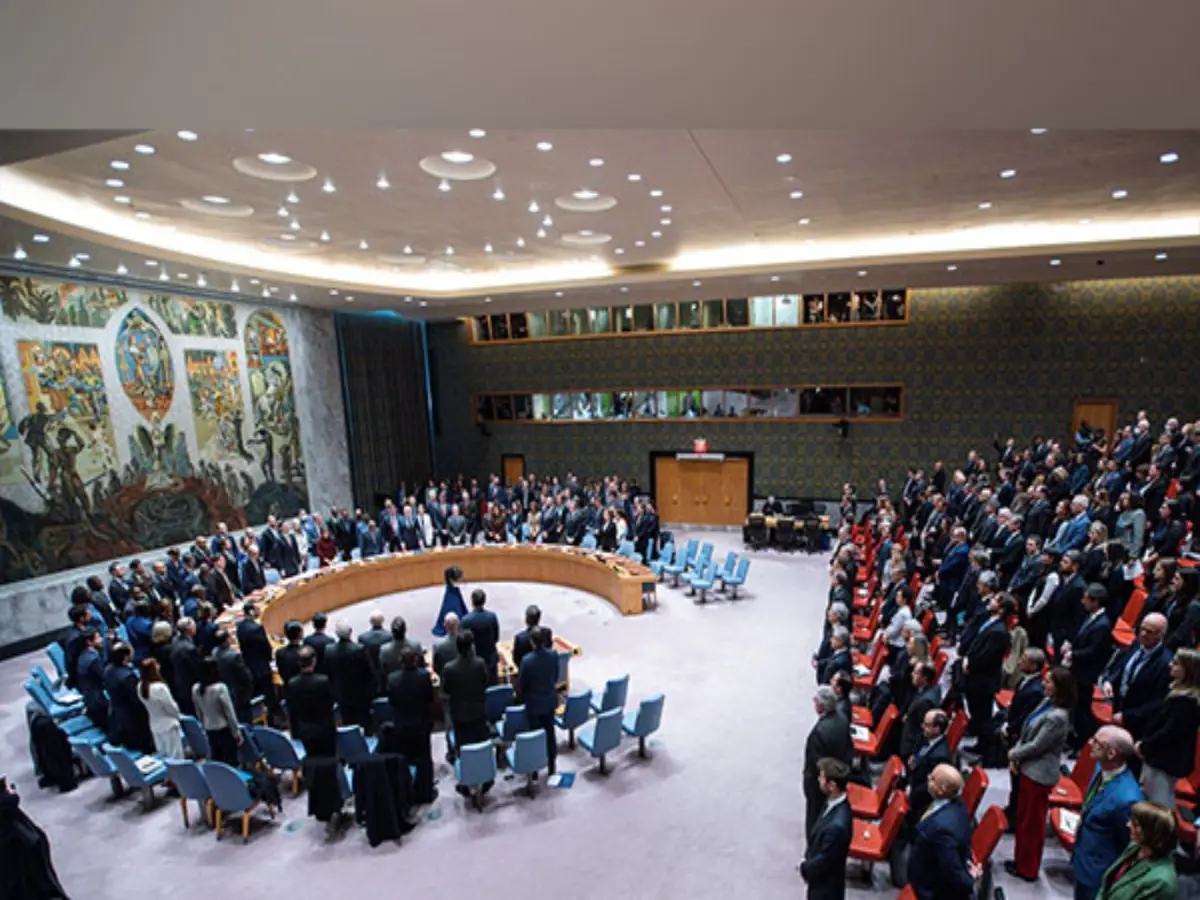
Iran’s president is traveling to New York for an important United Nations meeting.
The United States allowed him and some Iranian officials to receive visas.
President Pezeshkian is expected to give a speech explaining Iran’s views about its foreign policy and conflict with the United States.
He may also meet leaders and international experts.
However, the Iranian visitors will not be free to travel around New York.
Reports say they can mainly go between their hotel and the United Nations.
They may also need permission to shop at some stores or buy certain goods.
Iranian officials criticized these rules, while the United States said it must allow the main delegation to attend because it hosts the United Nations.

The United States granted visas to Iranian President Masoud Pezeshkian, Foreign Minister Abbas Araghchi, and essential members of Iran’s core delegation.
Pezeshkian is expected to address the United Nations General Assembly on Iran’s foreign policy, regional diplomacy, and its position in the conflict with Washington.
The delegation is reportedly restricted to travel between its Manhattan hotel, the United Nations, and the airport without State Department permission.
Iranian state media said the restrictions also cover luxury purchases, certain stores, and some commercial memberships.
The United States cited its obligations as the U.N. host country, while Iranian officials called the restrictions hostile and propaganda.
- Who
- Iranian President Masoud Pezeshkian, Foreign Minister Abbas Araghchi, other Iranian delegates, and the United States government.
- What
- The United States granted visas for Iran’s core U.N. delegation while imposing or maintaining reported travel and commercial restrictions.
- When
- During this week’s United Nations General Assembly High-Level Week; Pezeshkian is expected to speak on Wednesday.
- Where
- New York, mainly between the Iranian delegation’s Manhattan hotel and United Nations headquarters.
- Why
- Pezeshkian is scheduled to present Iran’s views, hold bilateral meetings, and use the U.N. platform to argue that Iran has acted in self-defense; the United States cited its host-country obligations.
Iranian Position
U.S. Position
Delegation restrictions
Iranian Position
Iranian state media and Foreign Ministry spokesman Esmaeil Baghaei described the geographic and commercial limits as stringent, punitive, hostile, and crude propaganda.
U.S. Position
The United States allowed the core Iranian delegation to attend and has cited regulations protecting U.S. interests and its obligations as the host country. The State Department did not directly address every restriction reported by Iranian media.
Iran’s message at the U.N.
Iranian Position
Pezeshkian is expected to argue that Iran is a victim of aggression and that its actions have been defensive, while presenting Iran’s foreign-policy and regional-diplomacy positions.
U.S. Position
President Donald Trump has described Iran as the world’s leading state sponsor of terrorism and said it must not develop nuclear weapons, while defending U.S. attacks on Iran.
Prospects for diplomacy
Iranian Position
Pezeshkian is seeking bilateral meetings and discussions with U.S. and European think-tank analysts, using the U.N. gathering as an opportunity to present Iran’s case.
U.S. Position
U.S., Iranian, and U.N. officials have indicated that major negotiations or breakthroughs during the gathering are unlikely, with U.N. Secretary-General António Guterres saying serious dialogue would probably occur elsewhere.
- Event
- United Nations General Assembly High-Level Week
- Location
- New York, United States
- Iranian president
- Masoud Pezeshkian
- Visa recipients
- Pezeshkian, Abbas Araghchi, and essential core-delegation members
- Travel limits
- Reportedly restricted mainly to the airport, the delegation’s hotel, and the U.N. headquarters
- Commercial limits
- Reported restrictions on luxury goods, certain stores, and some store memberships
- Media delegation
- The accompanying Iranian media delegation was previously denied visas