Archive · 10 Nov 2025
COP30: Nations Clash on Agenda, Fossil Fuel Road Map, and Trump's Shadow
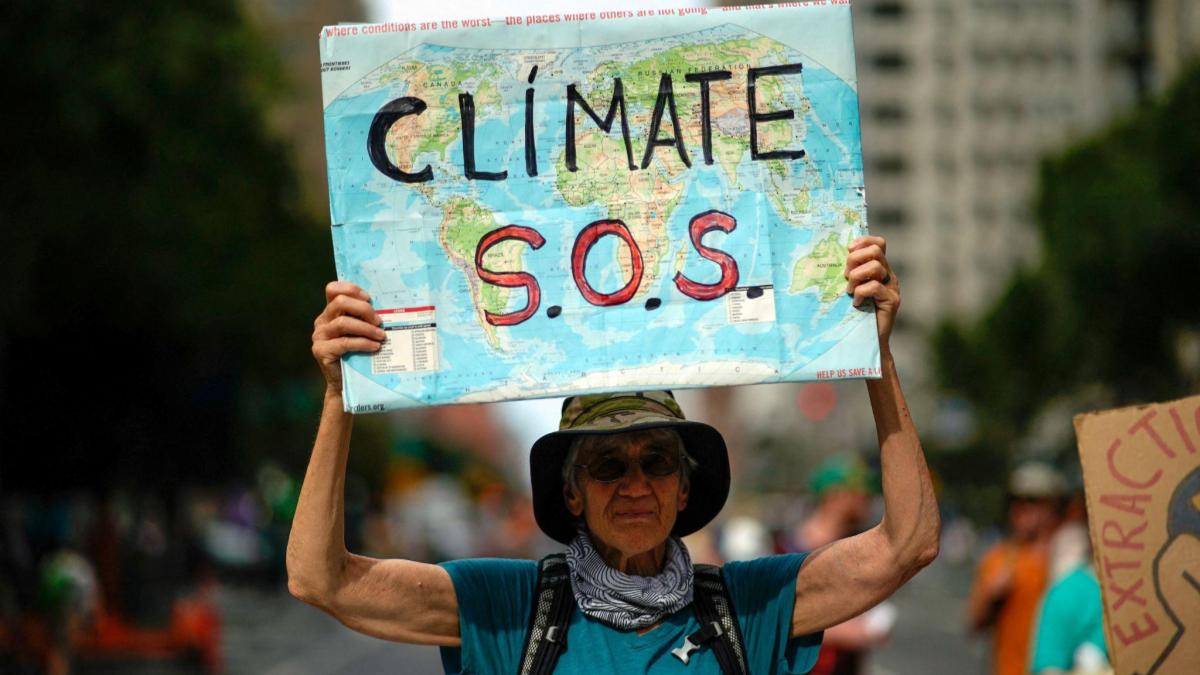
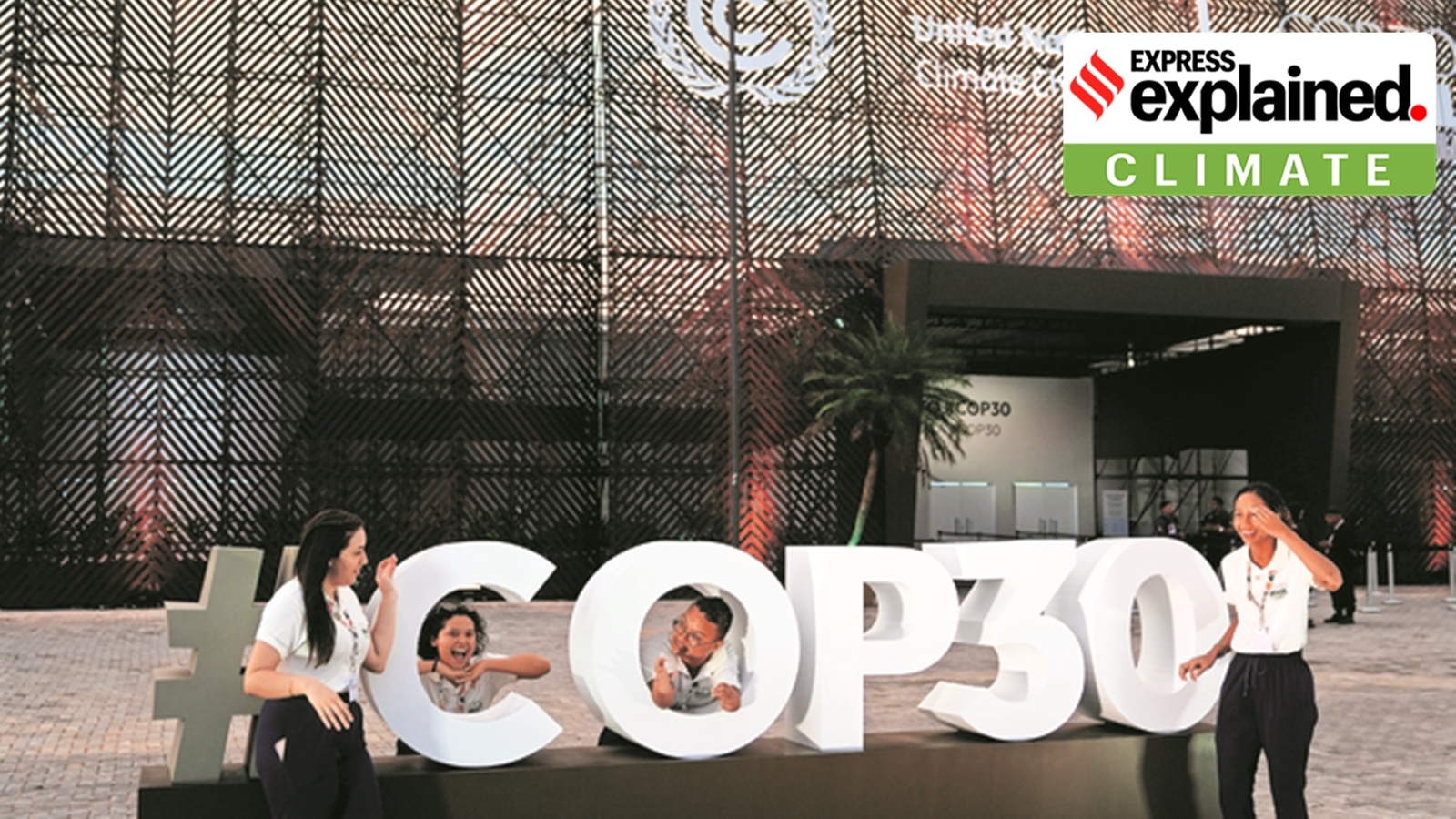
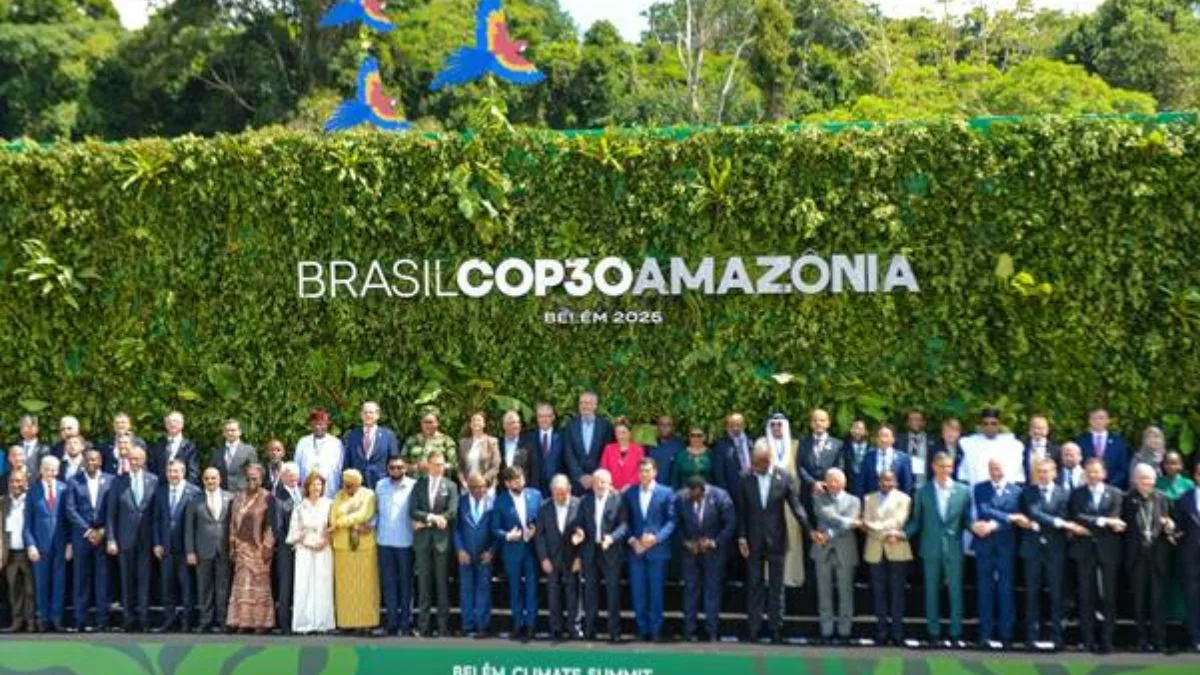
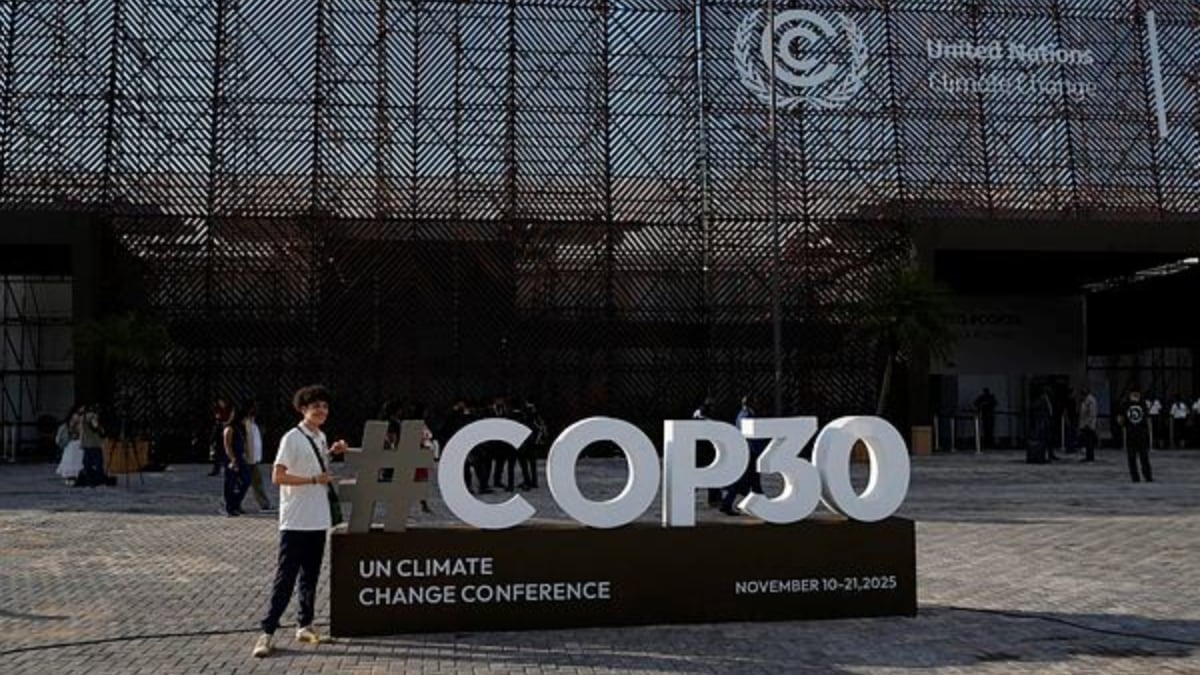
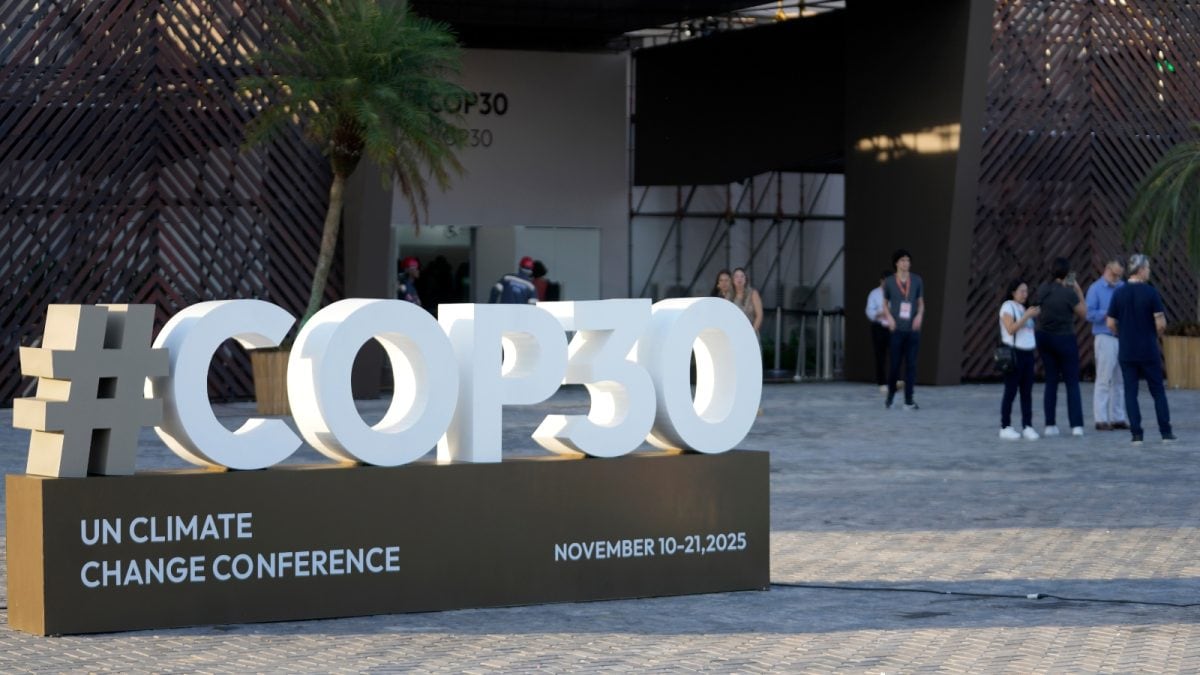
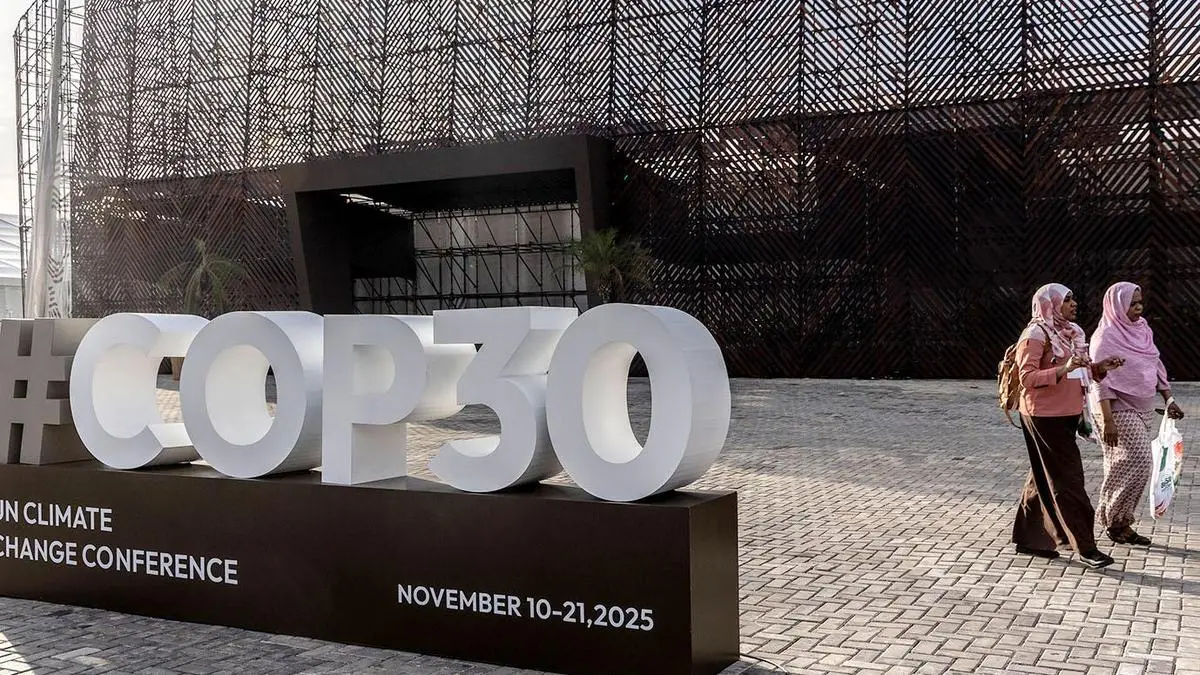
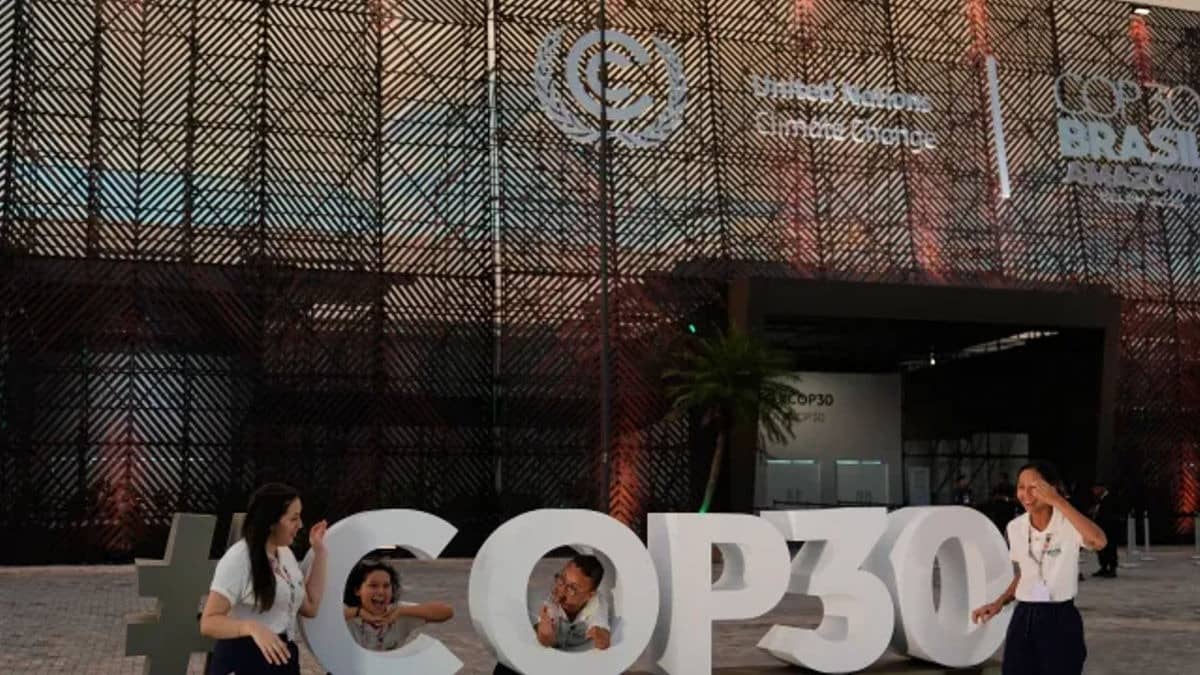
Countries from all over the world are meeting in Brazil for a big climate conference called COP30.
They are trying to figure out the best ways to stop the Earth from getting too hot, like cutting down on pollution and helping poorer countries deal with problems like super storms and rising seas.
One big discussion is about how to stop using oil, gas, and coal, but some countries that produce these fuels are hesitant.
They also need to decide what topics are important enough to talk about officially.
The United States is planning to leave the global climate agreement next year, which worries many people who want to see more action.
Even though the conference is focused on these important issues, the absence of the US makes some worried about progress.
Delegates are also trying to make plans for countries to adapt to the changes already happening, like stronger storms.

Negotiators at COP30 in Belém, Brazil, are working on technical details for emissions cuts and climate finance.
Key agenda fights include discussions on climate finance and trade measures versus addressing the UN report on exceeding the 1.5C warming limit.
There is a push to create a road map for transitioning away from fossil fuels, with island nations highlighting industry's lack of preparation.
The US, set to exit the Paris Agreement next year, looms over negotiations despite not having registered delegates.
A major focus is also on adaptation to climate change, with a goal to refine resilience indicators and potentially set a new finance target.
- Who
- Negotiators from nearly 200 countries, COP30 President André Corrêa do Lago, Brazil's President Lula Inácio Lula da Silva, foreign minister for the Marshall Islands Kalani Kaneko, the US, Like-Minded Developing Countries (including Saudi Arabia and India), and the Alliance of Small Island States.
- What
- Negotiations on technical details of climate change mitigation and adaptation, the structure of climate finance funds, and the transition away from fossil fuels. Key agenda fights include discussing climate finance and trade measures versus addressing the 1.5C goal. There is also focus on adaptation needs and the upcoming US withdrawal from the Paris Agreement.
- When
- Over the next two weeks, with the US withdrawal from the Paris Agreement set for January 27th next year. The current goal to double adaptation finance expires at the end of this year.
- Where
- Belém, Brazil, at the COP30 venue.
- Why
- To make progress on tackling climate change, specifically to keep the goal of limiting global warming to 1.5C alive, help poorer nations adapt to extreme weather, and find a consensus on transitioning away from fossil fuels.
Developing Nations and Small Island States
Fossil Fuel Producers and Developed Nations
Agenda Setting
Developing Nations and Small Island States
The Like-Minded Developing Countries (including Saudi Arabia and India) want to discuss climate finance from developed nations and unilateral trade measures (like the EU's emissions levy). The Alliance of Small Island States wants to address the UN report showing the world is off track for the 1.5C goal.
Fossil Fuel Producers and Developed Nations
Countries like Saudi Arabia resist language on boosting ambition. Brazil has suggested folding these agenda items into an existing negotiating track along with finance to seek a broader consensus.
Fossil Fuel Transition
Developing Nations and Small Island States
Small island states like the Marshall Islands express concern that the fossil fuel industry is not preparing for a just transition, leading to supply shocks and conflict. They advocate for a clear road map to overcome fossil fuel dependence.
Fossil Fuel Producers and Developed Nations
Developed nations want to shift the conversation back to mitigation and keeping 1.5C alive, having committed at COP28 to transitioning away from fossil fuels. However, no updated national pledges yet include targets to reduce oil and gas production. COP30 President André Corrêa do Lago stated that countries have a mandate to talk about the transition.
US Role and Ambition
Developing Nations and Small Island States
Despite withdrawing from the Paris Agreement, the US influence looms large due to former President Trump's support for fossil fuels and opposition to climate action. Negotiators hope for progress on adaptation, with a need for a new finance goal.
Fossil Fuel Producers and Developed Nations
The US has not registered delegates for COP30, but its actions under a potential Trump presidency are a significant concern. Developed nations are focusing on mitigation efforts to keep the 1.5C goal alive.
- Conference Location
- Belém, Brazil
- Key Goal
- Negotiate technical details on emissions cuts and climate finance, and discuss a road map for transitioning away from fossil fuels.
- Paris Agreement Target
- Limit global warming to 1.5C above pre-industrial levels.
- US Status
- Withdrawing from the Paris Agreement, exit scheduled for January 27th.
- COP30 President
- André Corrêa do Lago
- Adaptation Finance Goal
- Existing goal to double adaptation finance expires end of year; new target hoped for.
- Extreme Weather Event Mentioned
- Hurricane Melissa in Jamaica causing up to $4.2 billion in damage.
Sources
Healing the planet
Power companies hopeful of non-fossil fuel goal but experts flag need for more
Decade After Paris Agreement, Experts Say World Has 'Failed' To Halt Warming
COP30 begins today in Brazil: Limited outcomes so far, focus on implementation
Fractured Earth
On the brink: Editorial on the 30th United Nations Climate Change Conference - Telegraph India

Water at the heart of climate resilience
COP30 to kick-off today in Brazil – Who are the key players and what’s on agenda?
Your Guide To COP30: Here’s What To Expect As Nations Debate Climate Action

Less than 1% of climate funds go to health, warns report ahead of COP30
Climate talks start with call for faster action, more togetherness, but without US
Climate Talks Start With Call For Faster Action And More Togetherness, But Without The US

Crucial or merely symbolic? What people think of COP30 and climate change
The future of the Paris agreement