Archive · 18 Dec 2025
AI to Eliminate Toll Waits by 2026
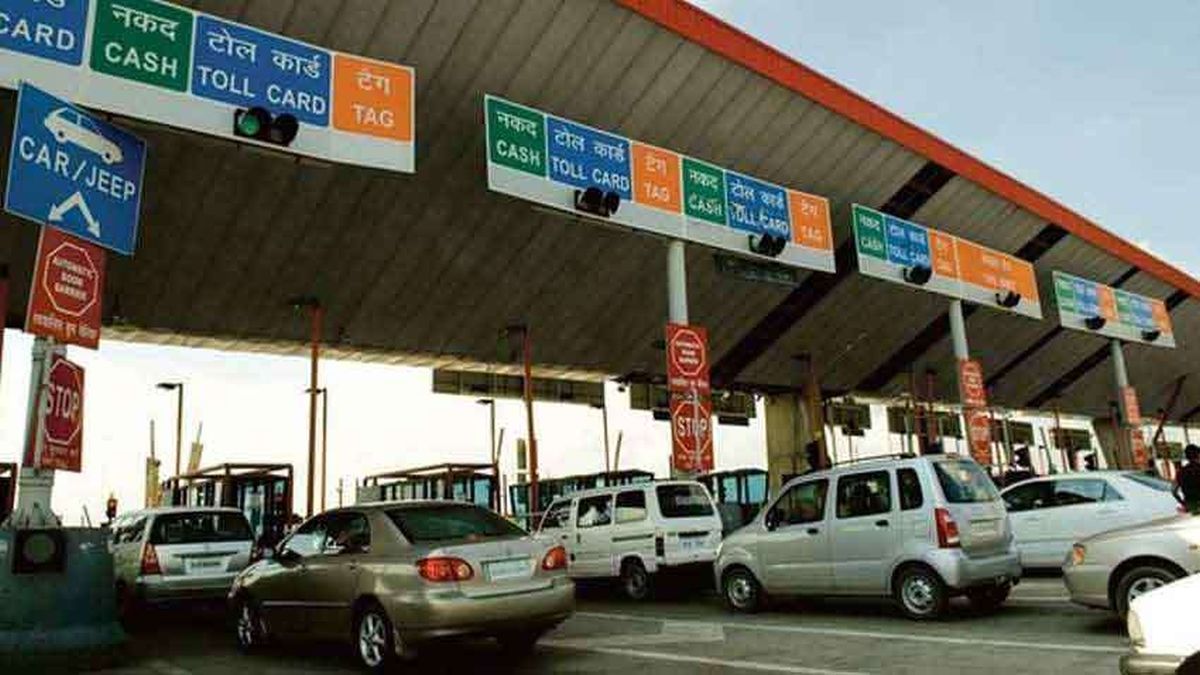
The government is planning to introduce a new AI-based system for toll collection on highways by the end of 2026.
This system will allow cars to pass through toll plazas without stopping, using satellite technology to recognize number plates.
Currently, with the FastTag system, cars take about a minute or less to pass through tolls.
The new system aims to reduce this time to zero, saving fuel and increasing government revenue.
The minister also mentioned that this will make the system more transparent and corruption-free.
However, the government is only responsible for national highways, not state highways or city roads.
The public may have concerns about the feasibility and timeline of the implementation, as well as the actual benefits and privacy of their data.

AI-based multi-lane free flow (MLFF) toll system to be implemented by 2026-end.
System aims to eliminate wait time at toll plazas, saving Rs 1,500 crore in fuel annually.
Expected to increase government revenue by Rs 6,000 crore annually.
Current FastTag system reduces toll time to 60 seconds or less; MLFF aims for zero minutes.
Government responsible for national highways only, not state highways or city roads.
- Who
- Union Minister Nitin Gadkari
- What
- Implementation of AI-based multi-lane free flow (MLFF) toll system and AI-driven highway management
- When
- By the end of 2026
- Where
- Across India (national highways)
- Why
- To eliminate wait time at toll plazas, save fuel, increase government revenue, and reduce toll theft
Government
Public
Implementation Timeline
Government
The government aims to complete the implementation of the MLFF toll system and AI-driven highway management by the end of 2026.
Public
The public may have concerns about the feasibility and timeline of the implementation, especially considering the scale and complexity of the project.
Benefits of the System
Government
The government believes that the new system will eliminate wait time at toll plazas, save fuel worth Rs 1,500 crore annually, and increase revenue by Rs 6,000 crore annually. It will also make the system transparent and corruption-free.
Public
The public may be skeptical about the actual benefits and the extent to which the system will be corruption-free. They may also have concerns about the privacy and security of their data.
- Technology
- AI-based multi-lane free flow (MLFF) toll system
- Implementation Deadline
- 2026-end
- Expected Fuel Savings
- Rs 1,500 crore annually
- Expected Revenue Increase
- Rs 6,000 crore annually
- Current Toll Time with FastTag
- 60 seconds or less
- Expected Toll Time with MLFF
- Zero minutes
- Current Income Increase with FastTag
- Rs 5,000 crore
- Responsibility
- National highways only
Sources
AI-based digital toll collection by 2026-end: Gadkari

Gadkari says AI-driven highway management will go nationwide by 2026-end

AI-based digital toll collection to be implemented across country by 2026-end: Gadkari

GPS-Based Toll System Will Be Operational By 2026-End: Nitin Gadkari