

Archive · 19 Nov 2025
Japan Set to Restart World's Largest Nuclear Plant After 11 Years
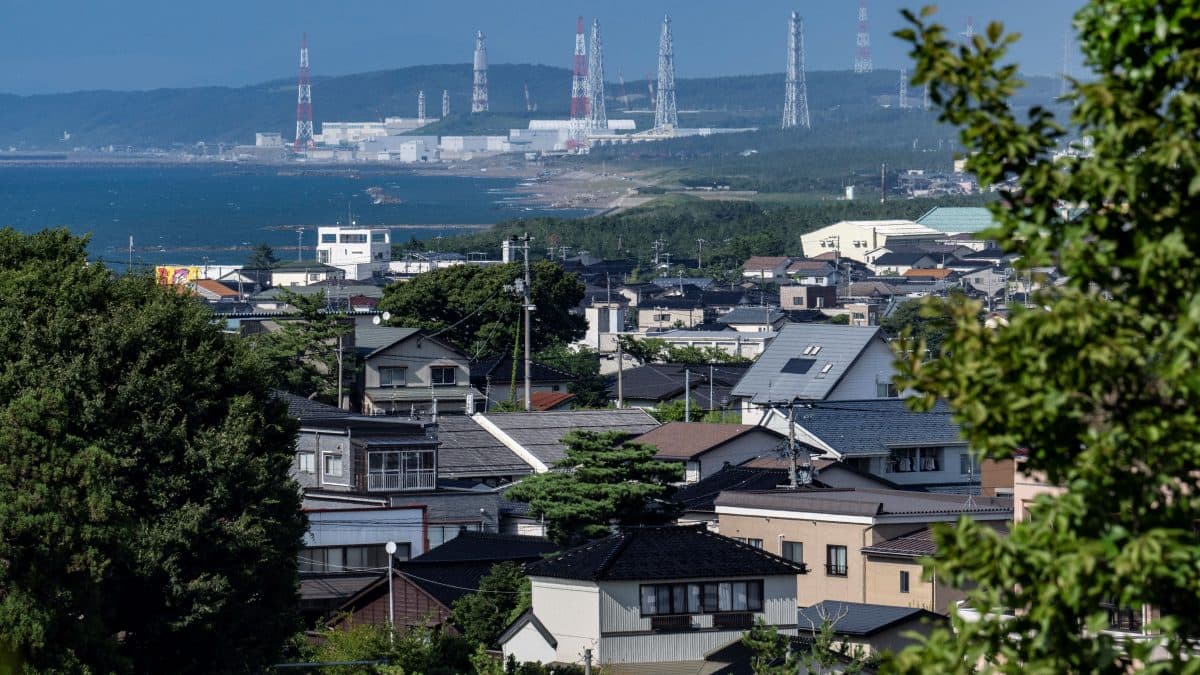
Japan is thinking about turning on the world's biggest nuclear power plant again after it stopped working 11 years ago.
This plant can make a lot of electricity, which could help Japan use less coal and gas, and make the air cleaner.
Some people in Japan are happy about this idea, but others are worried because of what happened at another nuclear plant in 2011.
The governor of the area where the plant is located is trying to decide if it's safe to turn it back on.

Japan is preparing to restart the Kashiwazaki-Kariwa nuclear power plant, the world's largest, after an 11-year hiatus following the Fukushima disaster.
The restart, if approved by the Niigata governor, would mark Japan's most significant move towards nuclear power since 2011.
Two reactors at the plant, Units 6 and 7, could generate up to 2,710 megawatts of electricity.
The restart is part of Japan's strategy to reduce carbon emissions and stabilize its energy supply.
Local political resistance has slowed previous attempts to restart reactors.
- Who
- Tokyo Electric Power Company (Tepco) and Niigata Governor Hideyo Hanazumi
- What
- Restarting the Kashiwazaki-Kariwa nuclear power plant
- When
- Potentially in early 2025, if approved by the governor
- Where
- Kashiwazaki-Kariwa, Niigata Prefecture, Japan
- Why
- To reduce carbon emissions and stabilize Japan's energy supply
Pro-Nuclear Restart
Anti-Nuclear Restart
Energy Security and Carbon Emissions
Pro-Nuclear Restart
Restarting the plant will reduce Japan's dependence on fossil fuels and lower carbon emissions.
Anti-Nuclear Restart
Nuclear power is not a reliable or safe source of energy, as demonstrated by the Fukushima disaster.
Economic Benefits
Pro-Nuclear Restart
Restarting the plant will boost Tepco's profits and potentially lower electricity costs for consumers by reducing the need for expensive LNG imports.
Anti-Nuclear Restart
The economic benefits do not outweigh the risks of nuclear power, and the money could be better spent on renewable energy sources.
- Plant Capacity
- 8,212 MW
- Reactors to be Restarted
- Units 6 and 7 (2,710 MW combined)
- Potential LNG Savings
- Around 1 million tonnes per year
- Expected Net Profit Boost for Tepco
- 100 billion yen ($644 million) per year for one reactor
- Number of Reactors Restarted Post-Fukushima
- 14 reactors, 11 currently active