

Archive · 13 Dec 2025
India's Diplomatic Labels: Allies, Partners, and Strategic Autonomy
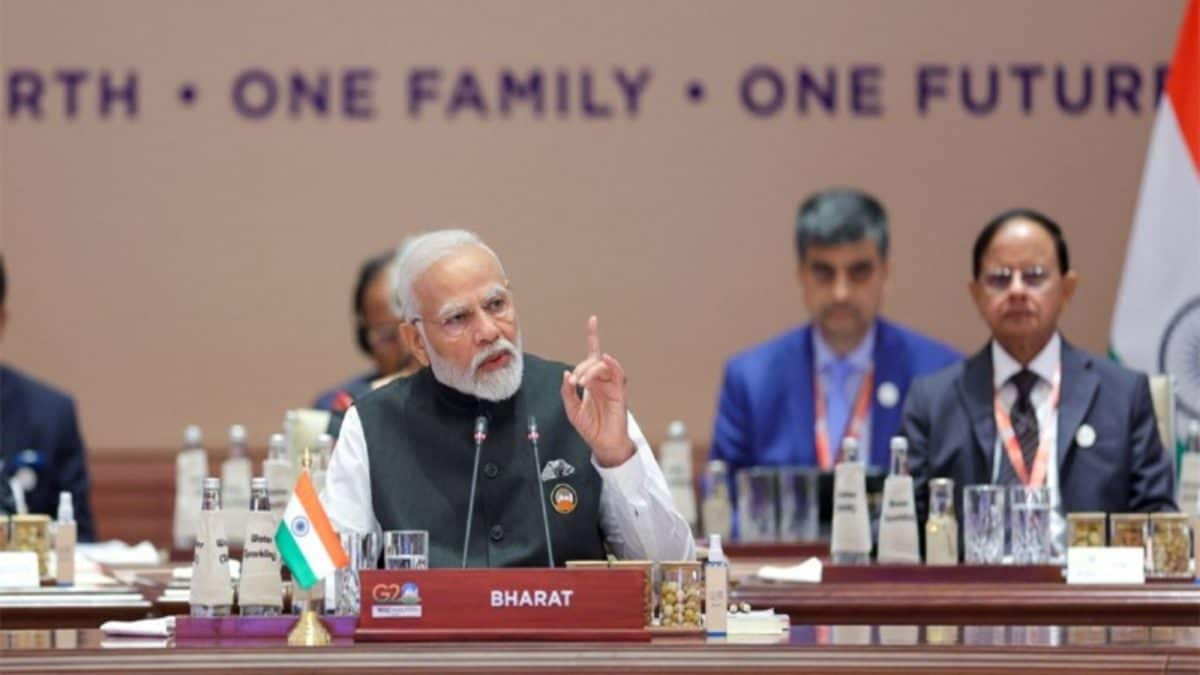
India uses specific words like 'ally', 'partner', and 'strategic partner' to describe its relationships with other countries.
These words are not just fancy titles; they show how much India is willing to cooperate with another country and where it draws the line.
India prefers to use terms like 'strategic partner' instead of 'ally' because it wants to keep its freedom to make decisions without being tied down by formal agreements.
This approach, called 'strategic autonomy', allows India to work with many different countries without getting stuck in one side's camp.
For example, India can cooperate with the United States on defense while still buying weapons from Russia.
This way, India can protect its own interests and avoid being forced to take sides in conflicts that don't directly involve it.

India uses diplomatic labels like 'strategic partner' and 'comprehensive strategic partner' to signal engagement without binding commitments.
India's foreign policy is based on 'strategic autonomy', allowing it to cooperate with multiple powers without formal alliances.
India avoids the term 'ally' to prevent automatic military commitments and maintain decision-making flexibility.
India's relationships are upgraded incrementally, reflecting deepening cooperation across various domains.
India's diplomatic language serves as strategic signalling, enabling it to hedge risks and manage rivalries.
- Who
- India
- What
- India's use of diplomatic labels like 'ally', 'partner', and 'strategic partner'
- When
- December 13, 2025
- Where
- Global context, with specific examples from India's relations with various countries
- Why
- To understand India's foreign policy approach of strategic autonomy and engagement without entanglement
- Primary Category
- GOVERNMENT
- Secondary Category
- Foreign Policy
- Tertiary Category
- Diplomatic Relations
- Quaternary Category
- Terminology