

Archive · 1 Jan 2026
Delhi processes only 64% of daily waste
Delhi creates a lot of trash every day, about 11,852 tonnes.
But it can only handle 7,611 tonnes, which is 64% of the total.
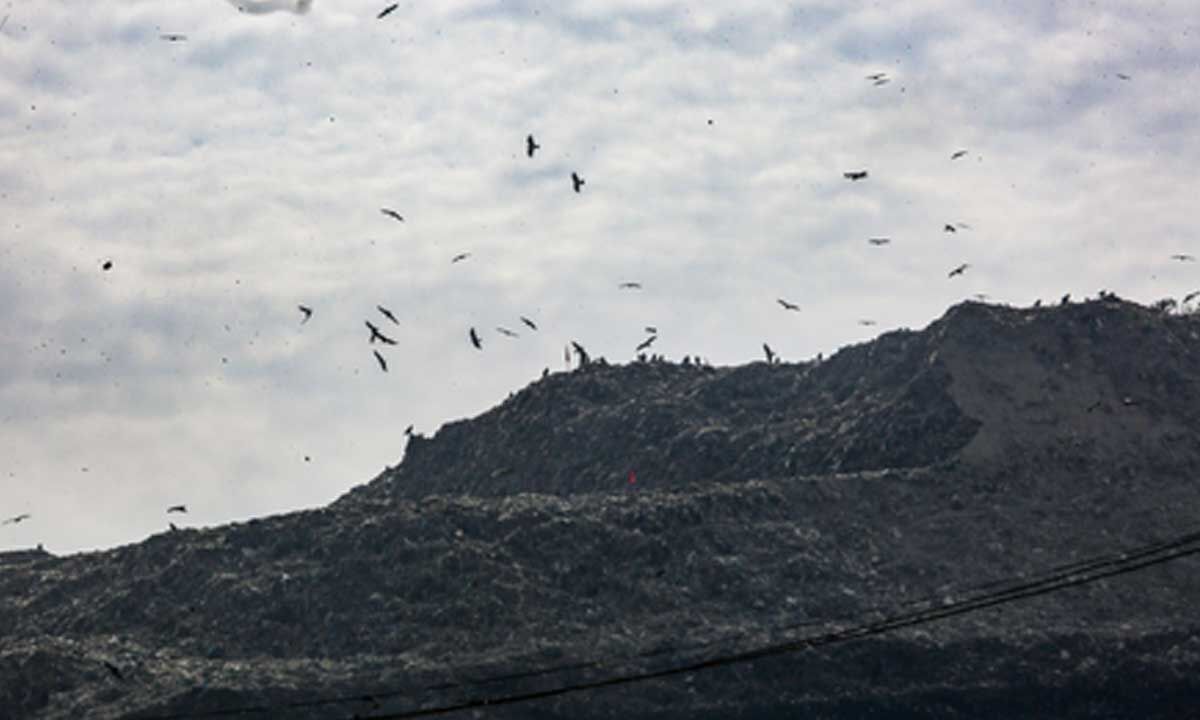
The rest, about 4,241 tonnes, ends up in big trash piles in Bhalswa and Ghazipur.
The people in charge of cleaning up, like the Municipal Corporation of Delhi (MCD), have a big job to do.
They need to fix this problem because the trash is causing bad smells and health issues in places like Shaheen Bagh and Sarita Vihar.
The government is planning to build more places to handle the trash by 2028.
A special team, led by the Lieutenant Governor, is also helping to make sure the trash problem is taken care of.

Delhi generates 11,852 tonnes of municipal solid waste per day but processes only 7,611 tonnes, leaving a daily gap of 4,241 tonnes.
The gap in waste generation and processing results in waste being disposed of at Bhalswa and Ghazipur dumpsites.
The processing capacity in Delhi stands at 8,173 tonnes per day, with actual processing at 7,611 tonnes per day (64.2%).
An additional 7,750 tonnes per day of processing capacity is planned for 2025–2028 to bridge the gap.
The Municipal Corporation of Delhi (MCD) is responsible for collection, segregation, transportation, and processing of municipal waste, while the Delhi Pollution Control Committee (DPCC) enforces the rules.
- Who
- Central Pollution Control Board (CPCB), National Green Tribunal (NGT), Municipal Corporation of Delhi (MCD), Delhi Pollution Control Committee (DPCC)
- What
- Delhi generates 11,852 tonnes of municipal solid waste per day but processes only 7,611 tonnes, leaving a daily gap of 4,241 tonnes that ends up at dumpsites in Bhalswa and Ghazipur.
- When
- The information was filed in an affidavit in July 2024, with a processing capacity augmentation planned for 2025–2028.
- Where
- Delhi, India, specifically affecting areas like Shaheen Bagh and Sarita Vihar, with waste disposed at Bhalswa and Ghazipur dumpsites.
- Why
- To address the gap in waste generation and processing, and to meet future requirements of the national capital.
- Daily waste generation
- 11,852 tonnes
- Daily waste processing
- 7,611 tonnes (64.2%)
- Daily waste gap
- 4,241 tonnes (35.8%)
- Processing capacity
- 8,173 tonnes per day
- Additional processing capacity planned
- 7,750 tonnes per day (2025–2028)
- Responsible authority
- Municipal Corporation of Delhi (MCD)
- Enforcement authority
- Delhi Pollution Control Committee (DPCC)
- NGT committee
- Solid Waste Monitoring Committee, headed by the Lieutenant Governor