Archive · 22 Jul 2026
India Achieves 99.6% Broad Gauge Railway Electrification
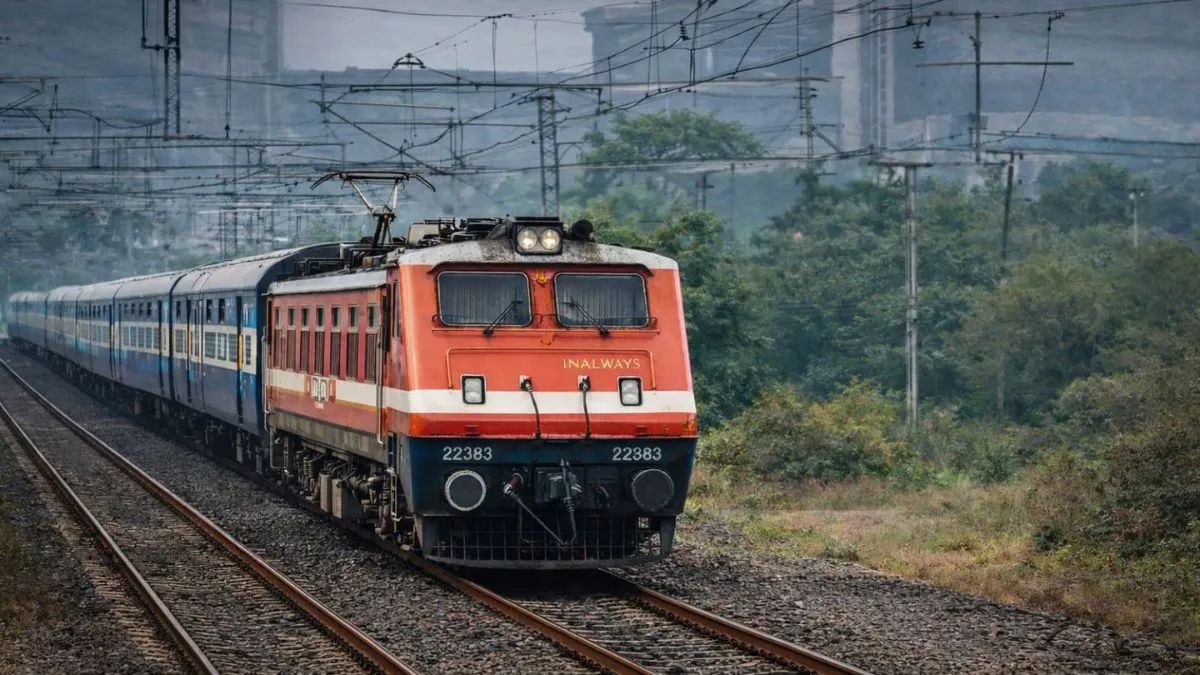
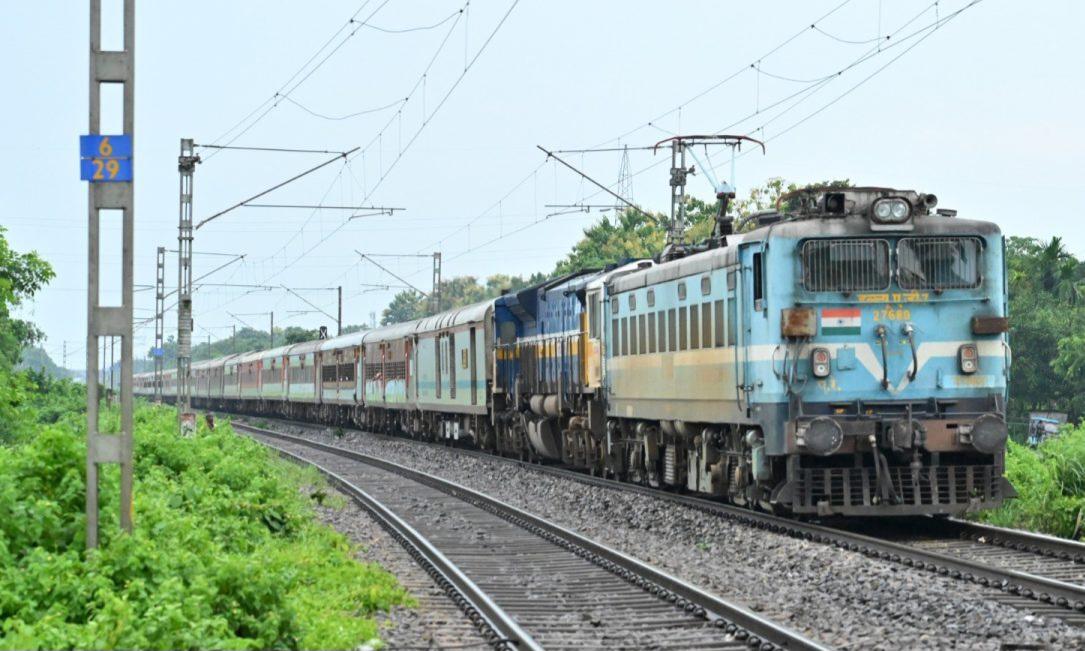
Indian Railways has electrified 99.6% of its broad gauge network, which is one of the largest railway electrification programs in the world.
This means that most of the train tracks in India now use electricity instead of diesel.
This change helps the environment by reducing pollution and saves money by using less diesel.
The railways also plan to use more solar and wind energy to power the trains, making them even cleaner.
Most of the railway zones in India are already fully electrified, and the remaining parts are being worked on.
This achievement puts India second only to Switzerland in terms of network electrification.

Indian Railways has electrified 99.6% of its broad gauge network, completing one of the world's largest railway electrification programs.
Electrification has reduced diesel consumption by 185 crore litres between 2015 and 2025, saving foreign exchange and lowering operating costs.
Rail transport emits 89% less CO₂ than road transport, contributing to environmental sustainability.
Indian Railways has commissioned 1,264 MW of renewable energy capacity to power railway operations.
Most railway zones in India have achieved complete electrification, with a few nearing completion.
- Who
- Indian Railways
- What
- Electrification of 99.6% of its broad gauge network
- When
- Completed over the past decade, with significant progress between 2014 and 2026
- Where
- Across India
- Why
- To reduce fuel imports, lower logistics emissions, improve operational efficiency, and support net-zero ambitions
Environmental and Economic Benefits
Challenges and Future Goals
Environmental Impact
Environmental and Economic Benefits
Electrification significantly reduces CO₂ emissions, making rail transport more eco-friendly compared to road transport.
Challenges and Future Goals
Further reduction in carbon footprint requires transitioning to renewable energy sources for electricity generation.
Economic Impact
Environmental and Economic Benefits
Reduction in diesel consumption saves foreign exchange and lowers operating costs.
Challenges and Future Goals
Initial investment in electrification and renewable energy infrastructure is substantial.
- Total Broad Gauge Network
- 69,873 route km
- Electrified Network (2014-2026)
- 48,072 route km
- Electrified Network (Before 2014)
- 21,801 route km
- Diesel Consumption Reduction
- 185 crore litres (2015-2025)
- CO₂ Emissions per tonne-km (Rail vs Road)
- 11.5 gm (Rail) vs 101 gm (Road)
- Renewable Energy Capacity
- 1,264 MW (Solar: 1,161 MW, Wind: 103 MW)