

Archive · 28 May 2025
Urban Wildlife Adapts: Animals Thrive in Cities
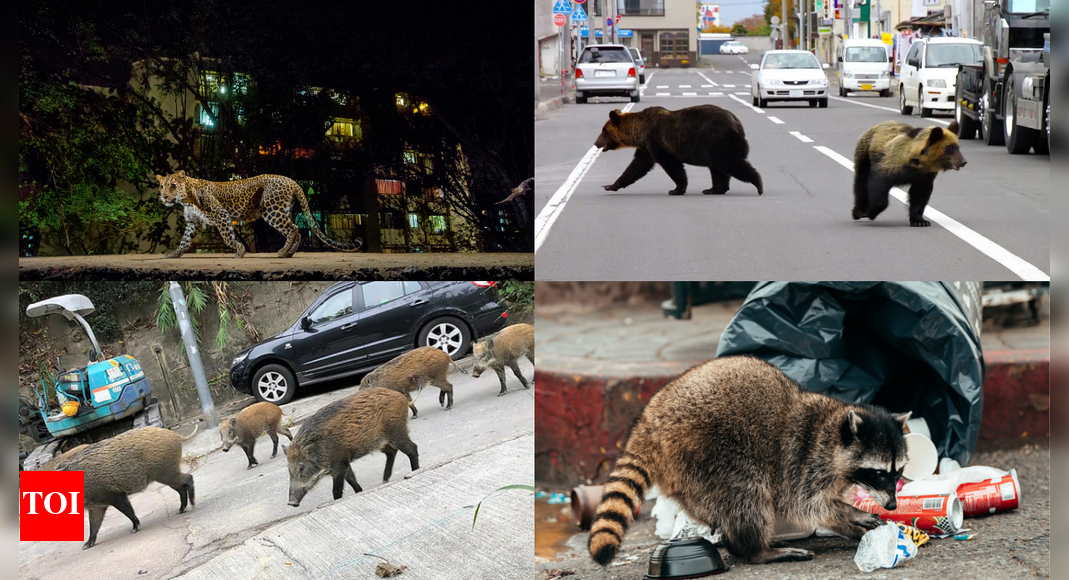
Many wild animals are learning to live in cities because their homes are disappearing.
Animals like leopards and raccoons are finding food and shelter in urban areas.
They adapt by using buildings, trash, and other things humans create.
This shows how tough animals can be, but also reminds us that cities need to be planned carefully so people and animals can live together without problems.
We need to manage waste well and protect nature in cities.

Animals like leopards, raccoons, and coyotes are adapting to urban environments worldwide.
They are drawn to cities due to habitat loss and available resources.
Some species, like birds of prey, find nesting sites on urban infrastructure.
The presence of wild animals in cities highlights a need for responsible urban planning.
Human-wildlife conflicts can occur, emphasizing the importance of coexistence strategies.
- Who
- Various wild animals, including leopards, raccoons, monkeys, coyotes, foxes, wild boars, bears, deer, hawks, falcons, and snakes.
- What
- Wild animals are increasingly adapting to urban environments.
- When
- Ongoing, as cities expand and natural habitats contract.
- Where
- Cities worldwide, including Mumbai, Toronto, and Berlin.
- Why
- Due to habitat loss and shrinking natural areas, animals are forced to seek resources in cities.
Coexistence and Conservation
Safety and Prevention
Human-Wildlife Conflict
Coexistence and Conservation
Responsible urban planning and coexistence strategies are key to reducing conflict and fostering mutual respect.
Safety and Prevention
Animals can cause property damage and public safety risks.
- Key Cities
- Mumbai, Toronto, Berlin
- Primary Cause
- Habitat loss, shrinking natural areas
- Common Species
- Leopards, Raccoons, Monkeys, Coyotes, Foxes, Wild Boars, Bears, Deer, Hawks, Falcons, Snakes
- Urban Habitats
- Skyscrapers, Gardens, Waste Bins
- Potential Problems
- Road accidents, Property damage