

1 week ago
India’s Power Demand Exceeds Government Projections by 3.3%
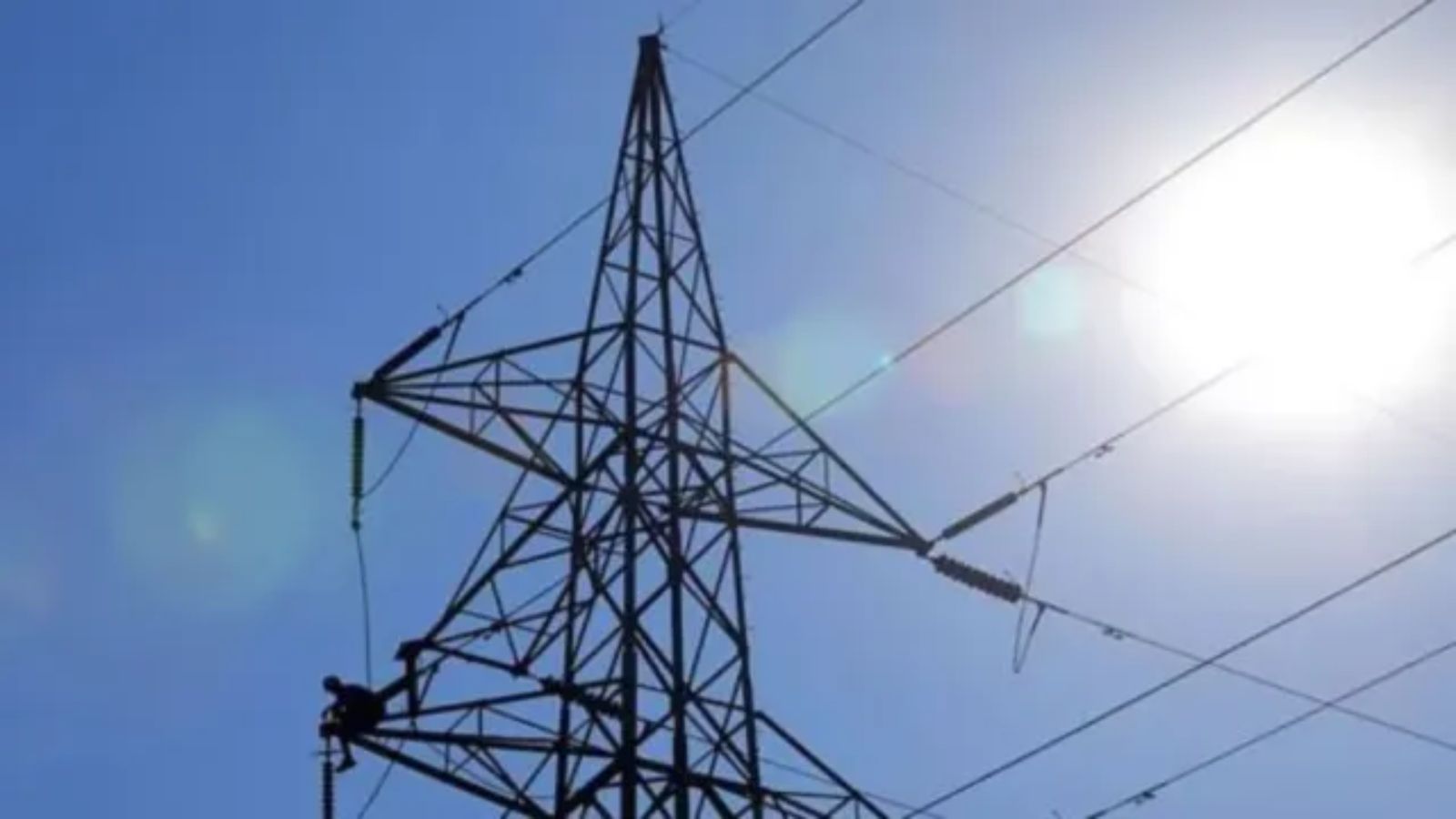
India used more electricity than the government expected during the first five months of the financial year.
From April to August, power demand was 3.3% higher than the projection.
Less rain and continued hot weather helped push electricity use higher.
The government normally expects actual demand to stay below its short-term forecast.
This time, demand was above the forecast in every month of the period.
Such a large difference can make electricity planning more difficult.
Similar differences happened in 2022 and 2023, but they were smaller.
Those years also involved an economic and electricity-demand recovery after COVID-19 disruptions.

India’s actual power requirement exceeded Central Electricity Authority projections by 3.3% from April through August.
Deficient rains and persistently high temperatures drove electricity demand above expectations.
Actual power demand usually remains below the CEA’s short-term projections.
The five-month overshoot was unusual because demand exceeded projections consistently throughout the period.
A similar but smaller deviation occurred in 2022 and 2023, when demand was recovering from COVID-19 disruptions.
- Who
- India’s electricity system and the Central Electricity Authority (CEA).
- What
- Actual power requirement exceeded the CEA’s projections by 3.3%.
- Where
- India.
- When
- From April through August, during the first five months of the current financial year.
- Why
- Deficient rains and persistently high temperatures increased electricity demand beyond expectations.
Key facts
- Demand gap
- Actual power requirement was 3.3% above CEA projections.
- Period
- April through August, the first five months of the current financial year.
- Forecast authority
- Central Electricity Authority.
- Typical pattern
- Actual power requirement usually remains below short-term projections.
- Reported drivers
- Deficient rains and persistently high temperatures.
- Earlier comparable years
- Similar deviations occurred in 2022 and 2023, but at lower levels.
- Planning implication
- Large deviations can affect planning across the power system.
Sources
Related news
India’s Electricity Demand Stays Near Summer Peak in September
India August Power Demand Hits Record as Non-Solar Prices Surge
Andhra Pradesh Power Demand Peaks at 290 MU Daily
Hyderabad Peak Power Demand Reaches Three-Year High
India’s September Power Deficit Hits Decade High Amid Weak Monsoon

Keralam Heat, Reduced Rainfall Push Electricity Demand to Summer Levels

Telangana Approves 3,000 MW Solar Power With Battery Storage

India’s Battery Storage Push Faces Viability Concerns
Telangana Seeks Central Support to Triple Renewable Capacity by 2030
India's Power Grid Faces Evening Shortages as Demand Surges
