Archive · 7 Jan 2026
Varanasi Ropeway Swaying Video Sparks Safety Debate
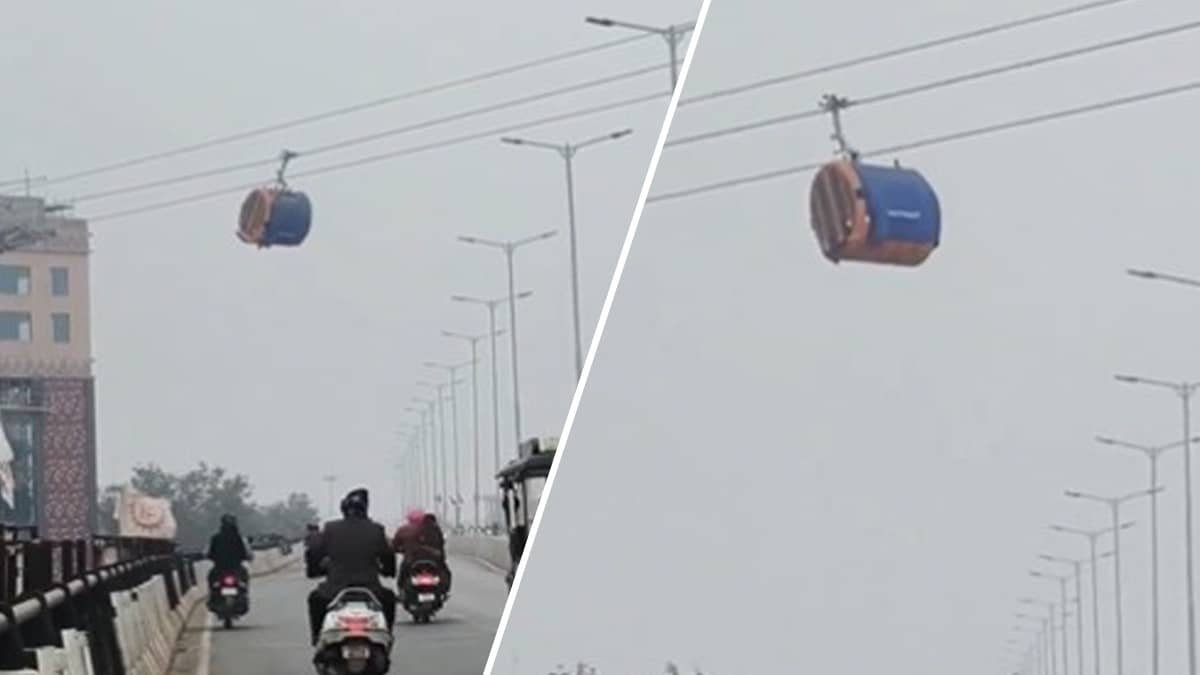
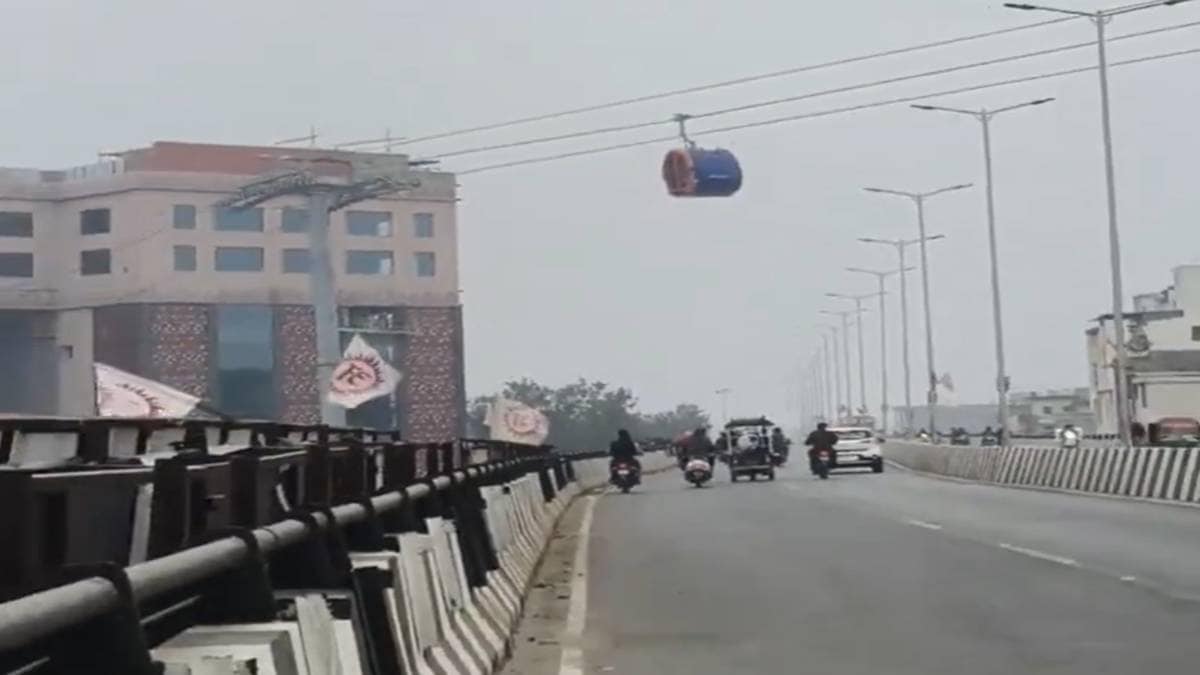
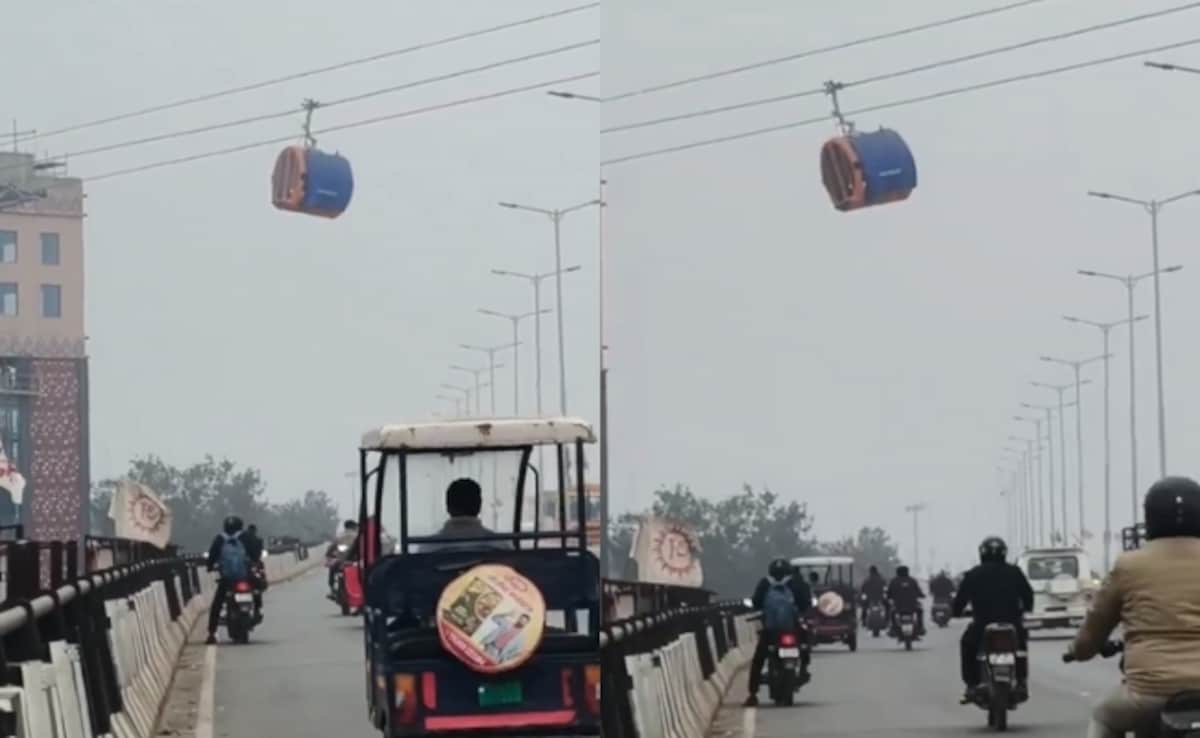
A video of a ropeway cabin from the Kashi Ropeway project in Varanasi, India, swaying during a test run has gone viral on social media.
The Kashi Ropeway is India's first urban aerial cable car system, designed to connect Varanasi Cantonment Railway Station with Godowlia, reducing travel time from 45 minutes to 15 minutes.
Officials have clarified that the swaying seen in the video is part of a standard safety test to check the gondolas' behavior under wind forces and dynamic loads.
They assured that the movement is within permissible limits and complies with international safety standards.
Despite these reassurances, some social media users have expressed concerns about the project's safety and the high public expenditure.
The Union Information and Broadcasting Ministry issued a fact check, declaring the video misleading and explaining that the swing is part of the testing process to ensure safety norms compliance.

A viral video shows a ropeway cabin from the Kashi Ropeway project in Varanasi swaying during a test run.
The Kashi Ropeway is India's first urban aerial cable car system, connecting Varanasi Cantonment Railway Station with Godowlia.
Officials clarified that the swaying is part of a standard safety test to measure the gondolas' behavior under dynamic loads and wind forces.
The movement is within permissible design limits and complies with international safety standards such as CEN and BIS.
The Union Information and Broadcasting Ministry issued a fact check, declaring the video misleading and explaining the swaying is part of the testing process.
- Who
- Officials from NHLML and PIB
- What
- Viral video of a ropeway cabin swaying during a test run
- When
- During the advanced testing phase
- Where
- Varanasi, India
- Why
- To measure the behavior of the gondolas under dynamic loads and wind forces
- Project Name
- Kashi Ropeway
- Location
- Varanasi, India
- Estimated Cost
- Rs. 800-Rs. 815 crore
- Project Phase
- Advanced Testing
- Safety Standards
- CEN and BIS
- Expected Travel Time
- 15 minutes (after completion)
- Current Travel Time by Road
- 45 minutes
- Length
- 3.85 km
- Expected Launch Date
- May 2026