2 weeks ago
Why Lenin Still Resonates Amid Inequality and Modern Cinema
A new movie called Lenin was shown at a special event in Hyderabad.
The article praises Akkineni Akhil for acting like a rural young man.
It also asks whether violent movies reflect violence in society.
The writer says the name Lenin still matters because many people continue to think about equality.
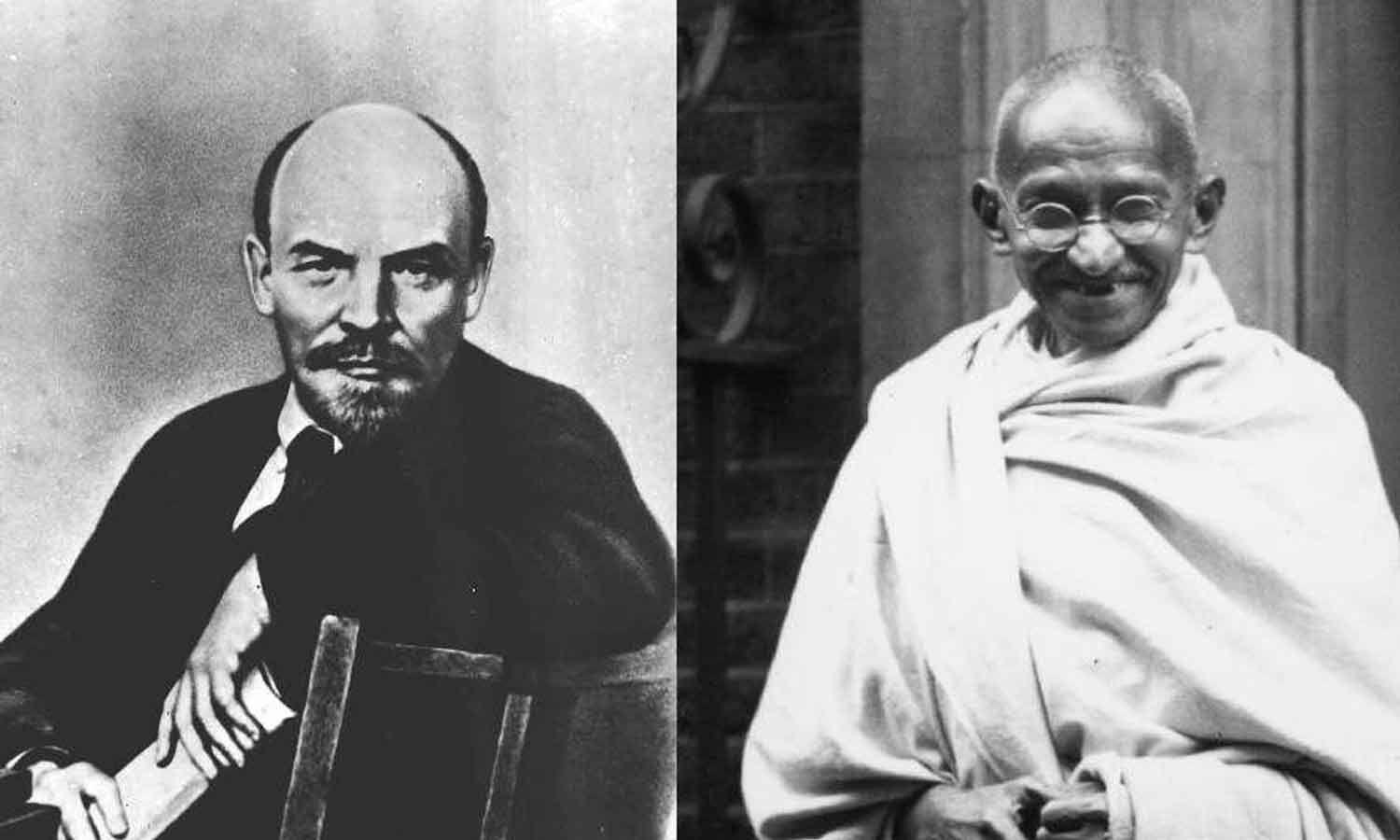
Lenin led a revolution in Russia, while Gandhi fought British rule in India through nonviolence.
Their methods were very different, but both opposed systems that treated people unfairly.
The writer says later Soviet failures should not all be blamed on Lenin.
The main message is that leaders like Lenin and Gandhi remain important when wealth and power are unfairly distributed.

A special Hyderabad screening of Akkineni Akhil’s film Lenin praised his performance as a rural young man.
The film’s depiction of violence prompted discussion about whether cinema reflects contemporary society.
The article connects the movie’s title to the continuing appeal of Vladimir Lenin’s ideas in the 21st century.
Lenin and Mahatma Gandhi are presented as leaders who challenged unequal and exploitative systems through very different methods.
The author argues Lenin remains relevant while economic inequality and concentrated wealth continue to affect societies.
- Who
- Akkineni Akhil, Vladimir Lenin, Mahatma Gandhi, and the author, a former Director General of Police, Telangana.
- What
- A commentary on Akkineni Akhil’s film Lenin and on why Lenin’s ideas about equality and opposition to exploitation remain relevant.
- Where
- The film was screened at a private theatre in Hyderabad; the historical discussion concerns India and Russia.
- When
- The discussion is framed in the third decade of the 21st century; the article also refers to Lenin’s death more than 100 years ago and the early 1990s.
- Why
- The author argues that persistent inequality, concentrated wealth, and social exploitation keep Lenin’s message relevant.
Lenin’s Continuing Relevance
Criticism of Leninist and Soviet Governance
Equality and economic disparity
Lenin’s Continuing Relevance
The author argues Lenin remains relevant wherever a small group controls wealth while many people struggle for basic needs.
Criticism of Leninist and Soviet Governance
The article notes that Russia abandoned the communist path in the early 1990s and that the Soviet economy failed to modernise.
Revolutionary methods
Lenin’s Continuing Relevance
Lenin’s revolution is presented as a force that ended an exploitative system and promoted unity among oppressed workers.
Criticism of Leninist and Soviet Governance
Gandhi’s contrasting path of ahimsa is presented as an alternative to Lenin’s violent communist revolution.
Responsibility for Soviet failure
Lenin’s Continuing Relevance
The author argues that Lenin should not be held responsible for all later Soviet failures.
Criticism of Leninist and Soviet Governance
The opposing interpretation cited is that the Soviet Union’s repressive state policies and economic failures discredited communist governance.
Key facts
- Film
- Lenin, starring Akkineni Akhil
- Screening
- A special screening was held at a private theatre in Hyderabad.
- Performance
- The article praises Akhil’s portrayal of a rural young man.
- Historical comparison
- Lenin’s 1917 Bolshevik Revolution is compared with Gandhi’s leadership in India.
- Different methods
- Lenin is associated with violent revolution, while Gandhi is associated with ahimsa, or nonviolence.
- Core issue
- The article focuses on inequality and the concentration of national wealth among a few.
- Soviet interpretation
- The author attributes the Soviet Union’s failure to repressive policies and economic inability to modernise, rather than solely to Lenin.
Sources
Related news

Lenin Gives Bhagyashree Borse a Major Career Boost
Rajesh Hamal Discusses Nepal’s Cinema, Gen Z And Change
Manoj Bajpayee to Portray Gandhi in Sudhir Mishra’s Upcoming Film
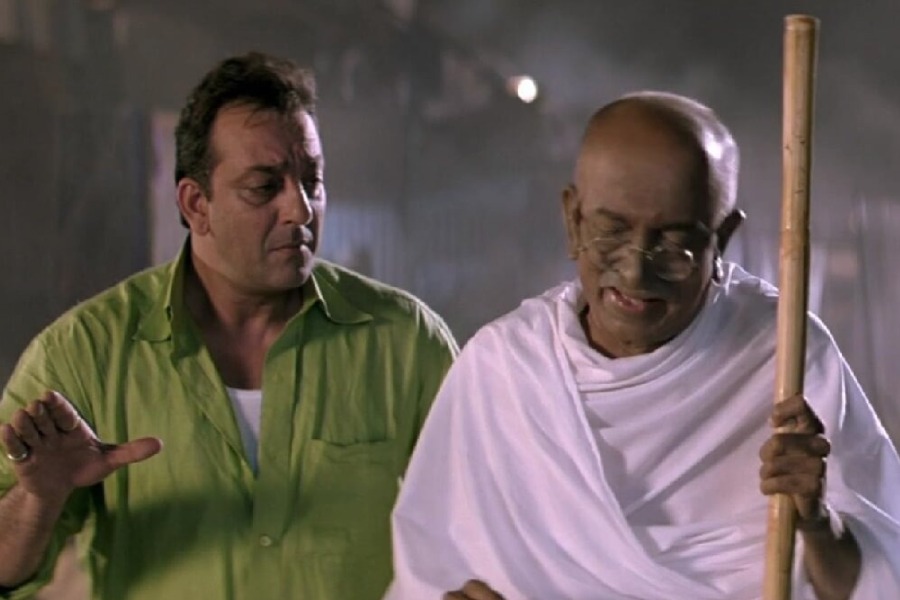
20 Years Later, Hirani Revisits Gandhi’s ‘Gandhigiri’ Inspiration
Amit Shah Says Gandhi’s Ideas Relevant For Another Century
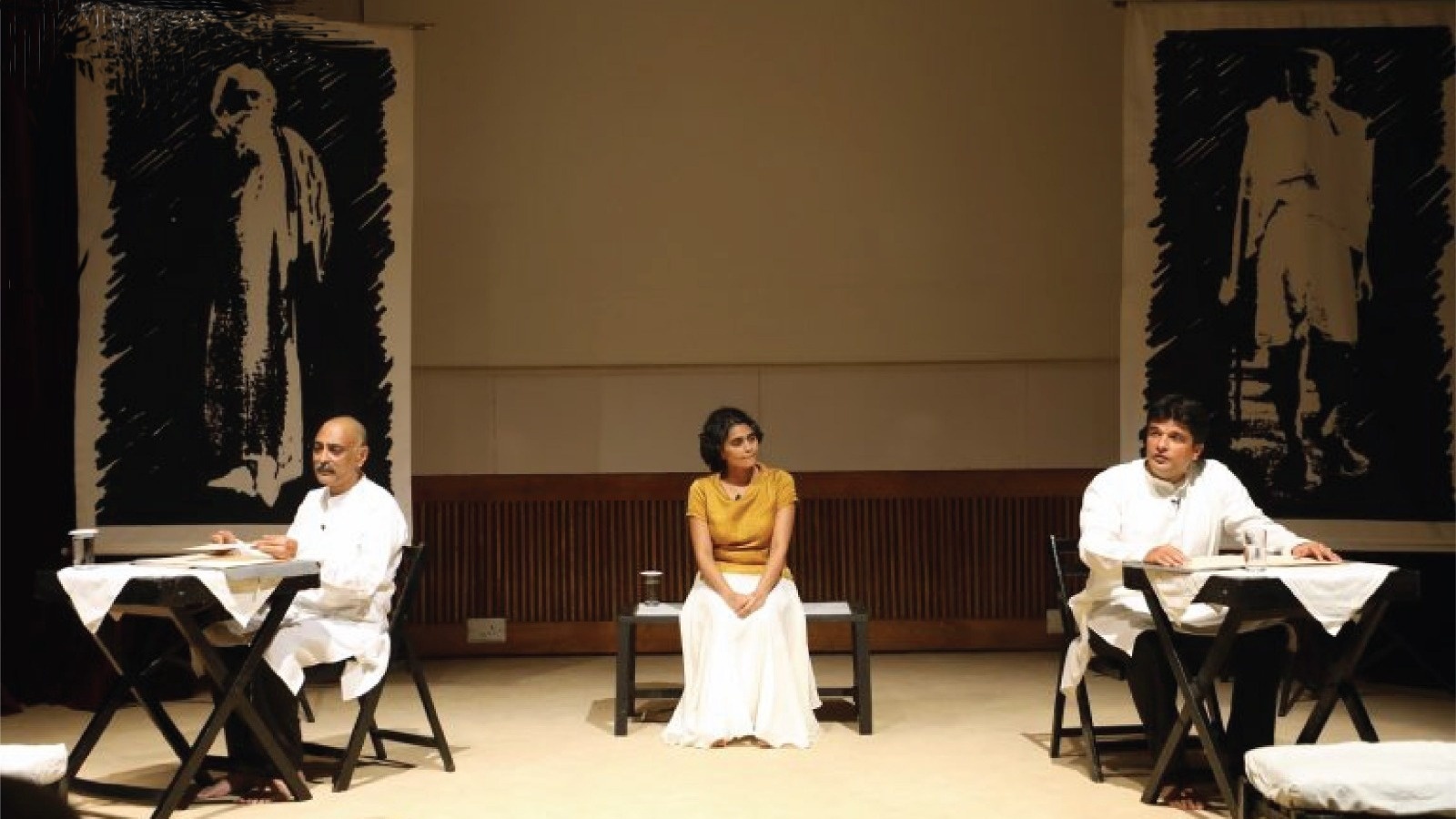
Gandhi and Tagore's forgotten conversations come alive on stage
Chiranjeevi Urges Youth to Dream Big
Akkineni Family Celebrates Annapurna Studios' 50th Anniversary
Telugu Cinema Thrives with Multi-Starrer Tradition Amid Bollywood Decline
ANR Birth Anniversary Celebrated in Vijayawada