

1 hr ago
Wi-Fi 5 vs. Wi-Fi 6: When Should You Upgrade?
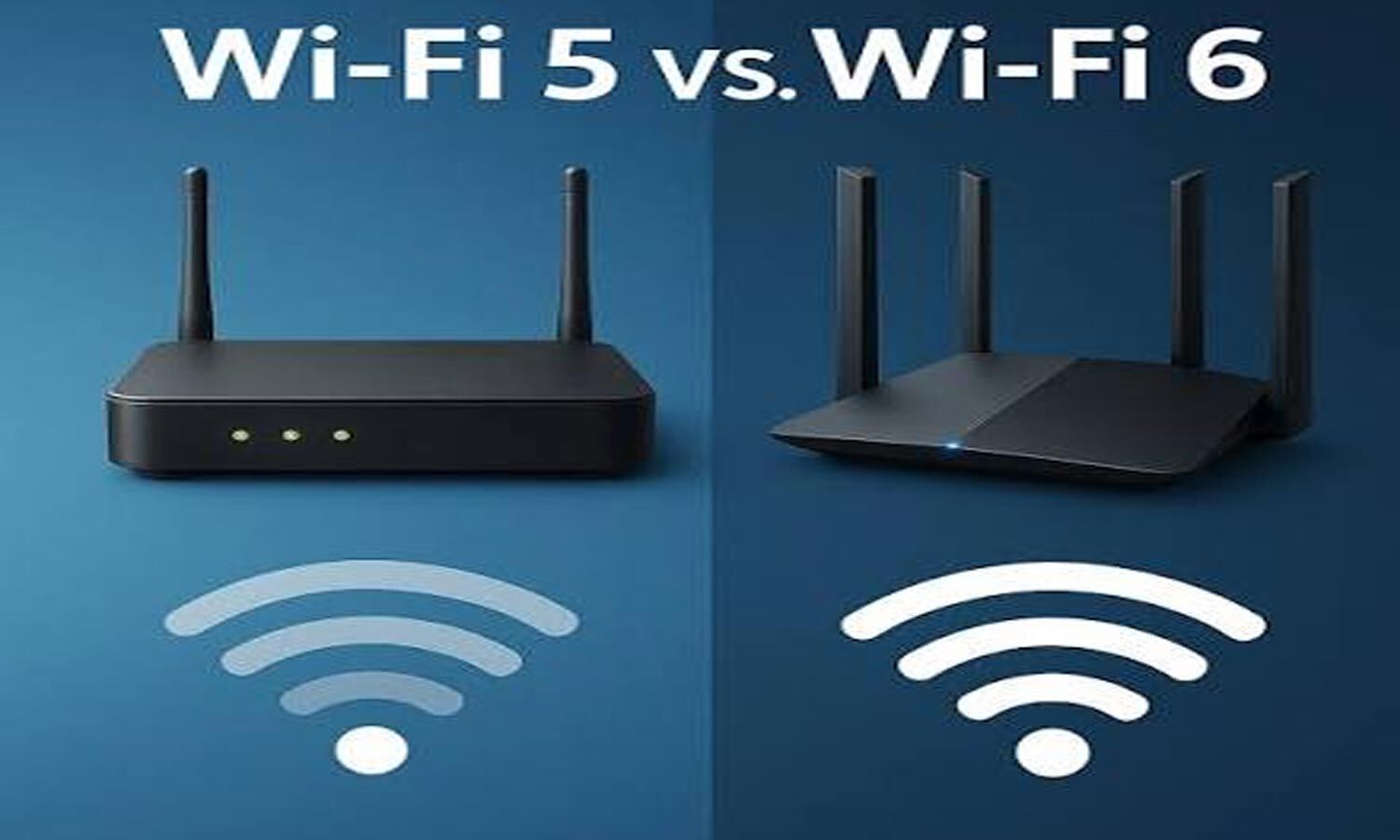
Wi-Fi 5 is an older type of wireless technology that still works well for many homes.
If only a few devices are connected, there may be no reason to replace a working Wi-Fi 5 router.
Wi-Fi 6 is built to handle many devices using the network at the same time.
It can help keep video calls, streaming and smart-home devices working more smoothly.
This does not mean Wi-Fi 6 will make a slow internet plan faster.
It mainly helps when the router is having trouble handling lots of activity.
The 2.4 GHz band reaches farther, while the 5 GHz band is usually faster nearby.
In a large home, better router placement or a mesh system may help more than simply buying a newer router.

Wi-Fi 5 remains suitable for homes with only a few connected devices and normal internet use.
Wi-Fi 6 is designed to manage busy networks with many devices more efficiently through technologies such as OFDMA.
The upgrade may improve stability, reduce buffering and prevent dropouts, but it cannot fix a slow broadband connection.
Both Wi-Fi 5 and Wi-Fi 6 routers can support 2.4 GHz and 5 GHz bands, which offer different range and speed benefits.
Homes with frequent congestion may benefit from Wi-Fi 6, while larger properties may need a mesh system for better coverage.
- Who
- Households using Wi-Fi routers, especially those with many connected devices.
- What
- A comparison of Wi-Fi 5 and Wi-Fi 6 and advice on whether upgrading a router is worthwhile.
- Where
- Home wireless networks.
- When
- When a home experiences busy-network slowdowns, buffering, evening congestion or connection dropouts.
- Why
- Wi-Fi 6 can manage traffic from many connected devices more efficiently and may improve network stability.
Key facts
- Wi-Fi 5
- Also known as 802.11ac; it remains reliable for normal use and homes with relatively few devices.
- Wi-Fi 6
- Also known as 802.11ax; it is designed for busy networks with many connected devices.
- Key technology
- OFDMA allows a Wi-Fi 6 router to divide a channel and serve several devices more efficiently.
- 2.4 GHz band
- Generally offers longer range and better wall penetration, making it useful for smart-home devices.
- 5 GHz band
- Usually provides faster connections at shorter range and is suited to streaming, gaming and video calls.
- Upgrade benefit
- The most noticeable improvement may be stability rather than higher internet speed.
- Coverage limitation
- A newer Wi-Fi standard does not automatically improve coverage throughout a large home; a mesh system may be more suitable.
Sources
Related news
GaN Versus Regular Fast Chargers: Is Extra Cost Worth It?

Smarter Home Gadgets That Make Everyday Life Easier

Five Amazon Smartwatches Balance Battery Life, GPS and Fitness Features

Telcos Resist TRAI’s Proposed 5G Network Slicing Rules

Smarter Homes Are Quietly Changing Family Connection

India 2026 Guide to Choosing a 5 Star Refrigerator

Student's Guide to Buying the First Laptop in 2025
