

Archive · 24 Jul 2026
Rail Freight Cheaper but MSMEs Struggle to Use It
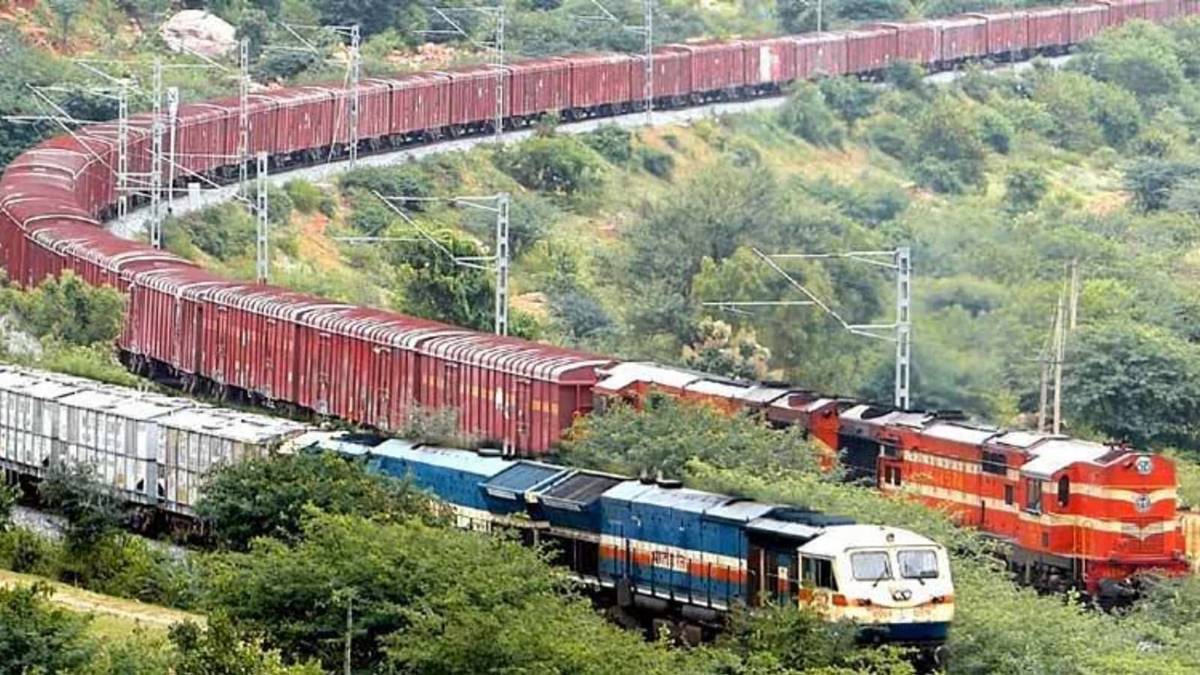
Rail transport is much cheaper than road transport in India, costing about half as much.
However, small businesses, known as MSMEs, find it hard to use rail freight.
This is because rail terminals are often outdated and hard to access, and there aren't enough wagons.
Even though rail is cheaper, the extra costs and delays make road transport more appealing for small businesses.
Indian Railways could earn a lot more money and reduce pollution if more MSMEs used rail freight.

Rail transport costs Rs 1.96 per tonne-kilometre, nearly half of road transport's Rs 3.78 per tonne-kilometre.
MSMEs face higher logistics costs, up to 16.9% of their output, compared to 7.6% for large enterprises.
Outdated rail infrastructure and wagon shortages make rail freight less accessible for MSMEs.
Road transport offers flexibility and faster delivery, making it more suitable for smaller, time-sensitive consignments.
Indian Railways could generate Rs 8,700 crore annually and reduce CO2 emissions by 4.5 million tonnes if MSMEs adopted rail freight more widely.
- Who
- Micro, Small and Medium Enterprises (MSMEs) and Indian Railways
- What
- Challenges faced by MSMEs in adopting rail freight despite its cost advantages
- When
- Report findings based on data up to 2023-24
- Where
- India
- Why
- High logistics costs, infrastructure limitations, and operational inefficiencies
Rail Freight Advantages
Road Freight Advantages
Cost Efficiency
Rail Freight Advantages
Rail transport costs Rs 1.96 per tonne-kilometre, significantly lower than road transport at Rs 3.78 per tonne-kilometre.
Road Freight Advantages
Road transport offers flexibility and faster delivery times, which can be crucial for perishable goods and time-sensitive shipments.
Infrastructure Access
Rail Freight Advantages
Rail infrastructure is often outdated and lacks modern facilities, making it less accessible for MSMEs.
Road Freight Advantages
Road transport infrastructure is more widely available and easier to access, especially for smaller consignments.
Operational Efficiency
Rail Freight Advantages
Rail transport can be more efficient for long-distance, high-volume shipments but suffers from wagon shortages and maintenance delays.
Road Freight Advantages
Road transport provides better operational flexibility and can handle smaller, less predictable consignments more effectively.
- Total Logistics Expenditure
- Rs 24.01 lakh crore (2023-24)
- Logistics Cost for Micro Enterprises
- Up to 16.9% of output
- Logistics Cost for Large Enterprises
- 7.6% of output
- Rail Transport Cost
- Rs 1.96 per tonne-kilometre
- Road Transport Cost
- Rs 3.78 per tonne-kilometre
- Active Wagon Fleet Growth
- 3% compound annual growth rate (FY2021-FY2025)
- Potential Revenue from MSME Freight
- Rs 8,700 crore annually
- Potential CO2 Emission Reduction
- 4.5 million tonnes annually