Archive · 21 Sep 2026
Why Prominent Delhi Voters Received Notices During SIR Review
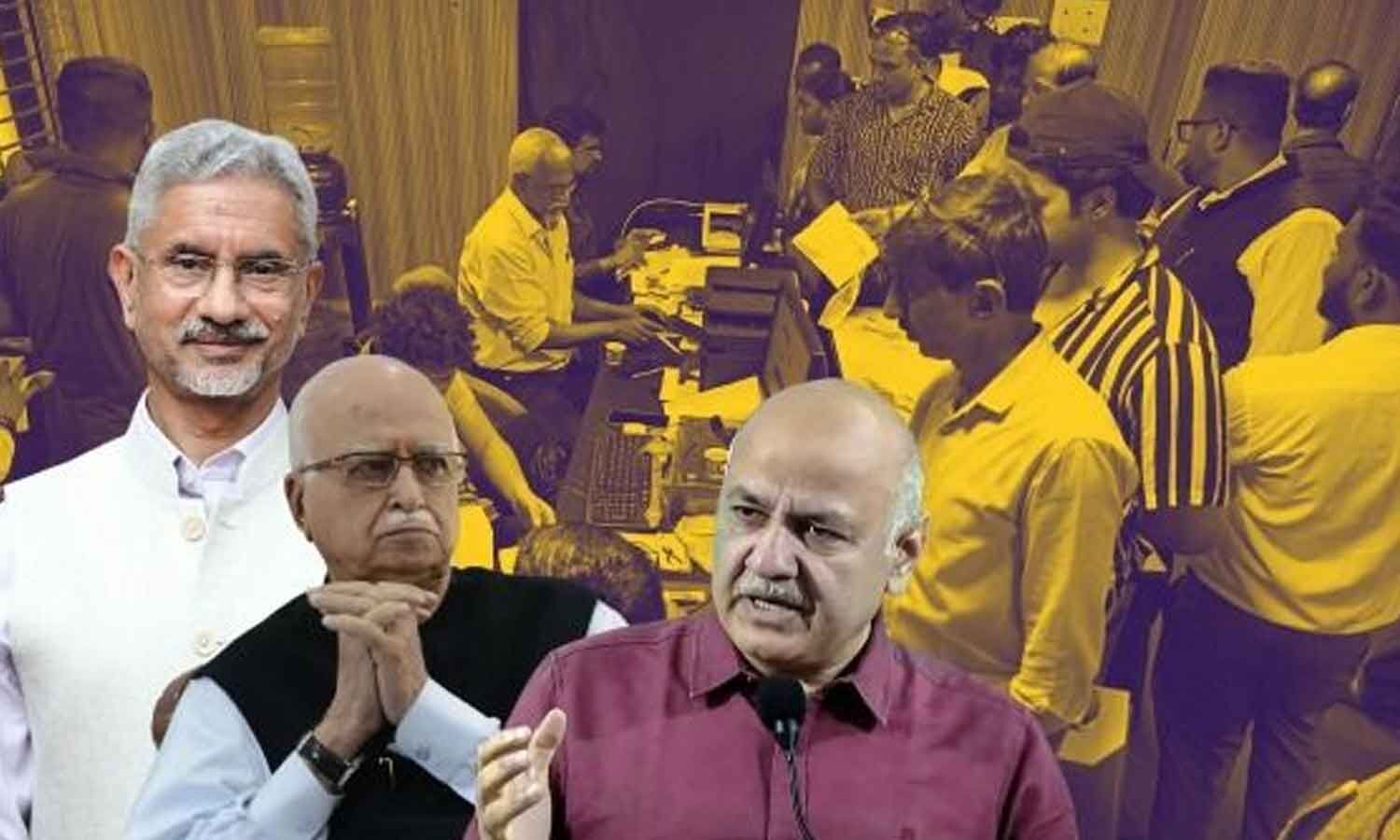
Delhi is checking its voter list in a process called the Special Intensive Revision, or SIR.
Officials compared current voter information with records from an earlier review in 2002.
Some details did not match, so notices were sent asking voters to verify their information.
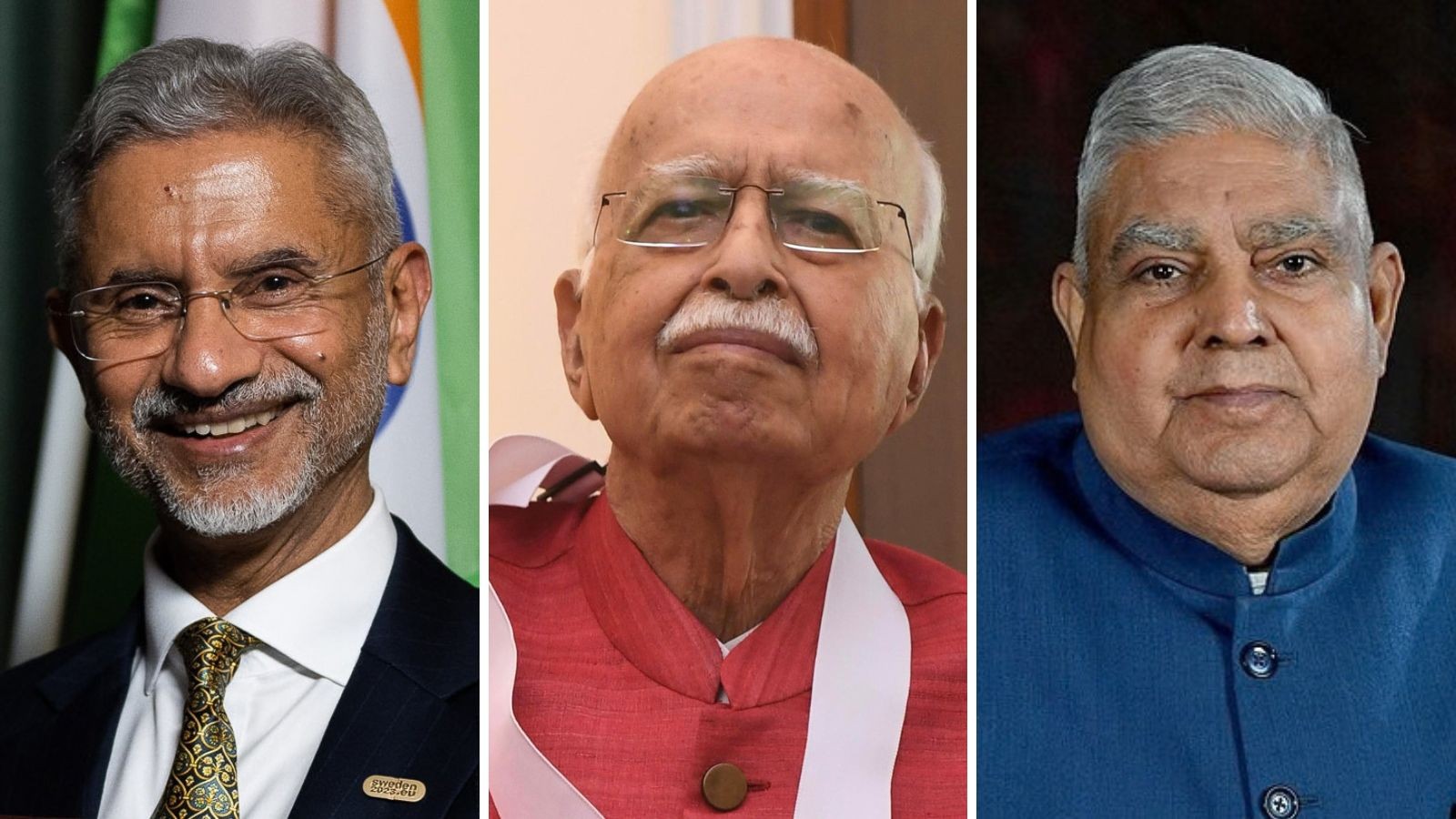
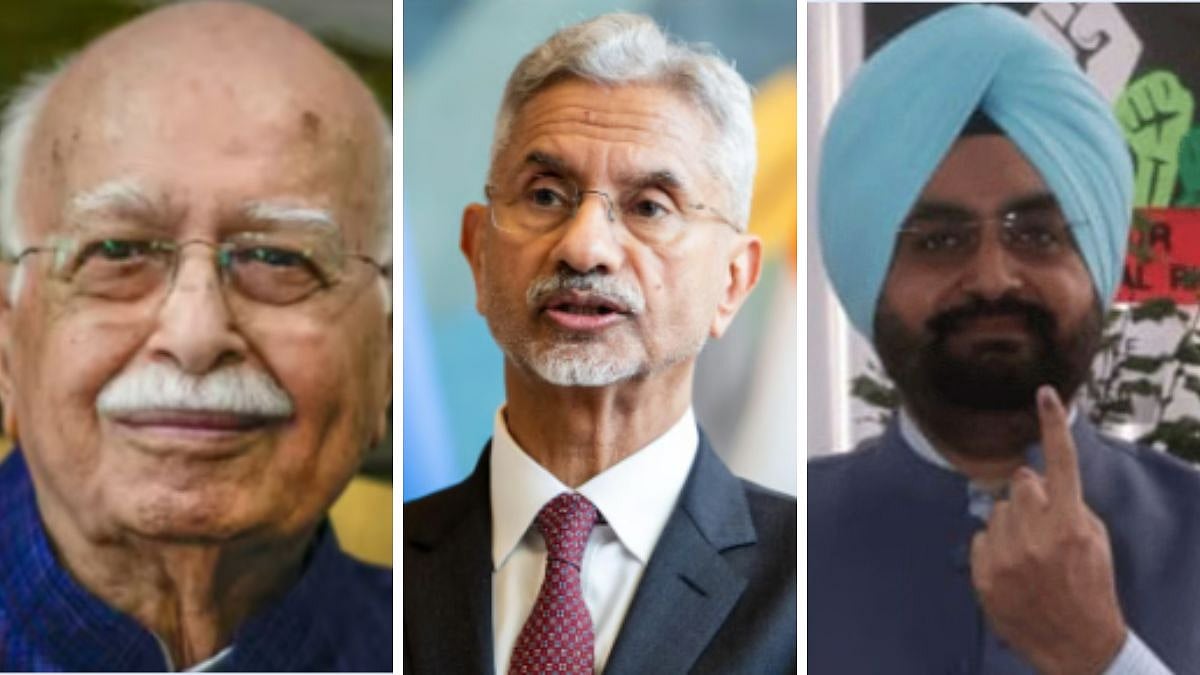
L K Advani, S Jaishankar, Jagdeep Dhankhar and S S Sandhu were among those named.
The notices do not automatically mean that anyone will be removed from the voter list.
Voters can send documents and explain their records to election officials.
Officials said a name cannot be removed without giving the voter a chance to respond.
Kapil Sibal criticised the exercise and called it “special intensive deletion.”
The Delhi election office said verified names can remain on the final list.

L K Advani, S Jaishankar, Jagdeep Dhankhar and S S Sandhu were among prominent voters issued notices over discrepancies in electoral details.
Most notices cited information that could not be mapped to records from Delhi’s previous electoral-roll revision in 2002.
The Delhi Chief Electoral Officer said the notices were system-generated requests to correct ECINET records, not automatic deletion orders.
Officials said 33.13 lakh notices were being issued after draft rolls covering more than 97 lakh voters were published.
Voters can submit replies and documents by October 29, while the final roll is scheduled for publication on November 4.
- Who
- Prominent Delhi voters including L K Advani, S Jaishankar, Jagdeep Dhankhar, S S Sandhu, Manish Sisodia, Rekha Gupta, Arvind Kejriwal and Kapil Sibal.
- What
- They received or were listed for notices over discrepancies in voter details submitted during the Special Intensive Revision of electoral rolls.
- When
- The notices were reported during the ongoing SIR; claims and objections end on September 30, responses are due by October 29, and the final roll is scheduled for November 4.
- Where
- The affected voters are registered in Delhi constituencies, particularly the New Delhi, Sunehri Bagh and Delhi Cantonment areas.
- Why
- Their submitted information contained logical discrepancies or could not be matched with records from the 2002 electoral-roll revision, including mismatches involving names or parent details.
Critics’ concerns
Election officials’ position
Purpose of the exercise
Critics’ concerns
Kapil Sibal described the SIR as “special intensive deletion” of votes and criticised the Election Commission.
Election officials’ position
The Delhi Chief Electoral Officer said the notices were system-generated requests to correct discrepancies in ECINET records.
Risk of voter deletion
Critics’ concerns
The large number of notices raised concerns about voters being removed from the rolls.
Election officials’ position
Officials said receiving a notice does not itself remove a voter and that deletion requires an opportunity to respond and a proper speaking and appealable order.
Prominent voters’ records
Critics’ concerns
Notices involving senior politicians, officials and other prominent voters were cited as evidence of problems in the revision process.
Election officials’ position
Officials said the notices reflected logical discrepancies and that names would be retained after verification of documents and facts; Rekha Gupta’s entry had already been validated.
- Review process
- Special Intensive Revision of Delhi electoral rolls
- Draft-roll size
- More than 97 lakh voters
- Notices issued
- 33.13 lakh notices over reported discrepancies
- Common category
- “Unmapped with last SIR,” referring to information not matched with 2002 records
- Response deadline
- October 29
- Claims and objections deadline
- September 30
- Final-roll publication
- Scheduled for November 4