2 hrs ago
Mirwaiz Meets Iran’s Araghchi, Calls for Dialogue Amid War
Mirwaiz Muhammad Umar Farooq is a Muslim religious and political leader from Kashmir.
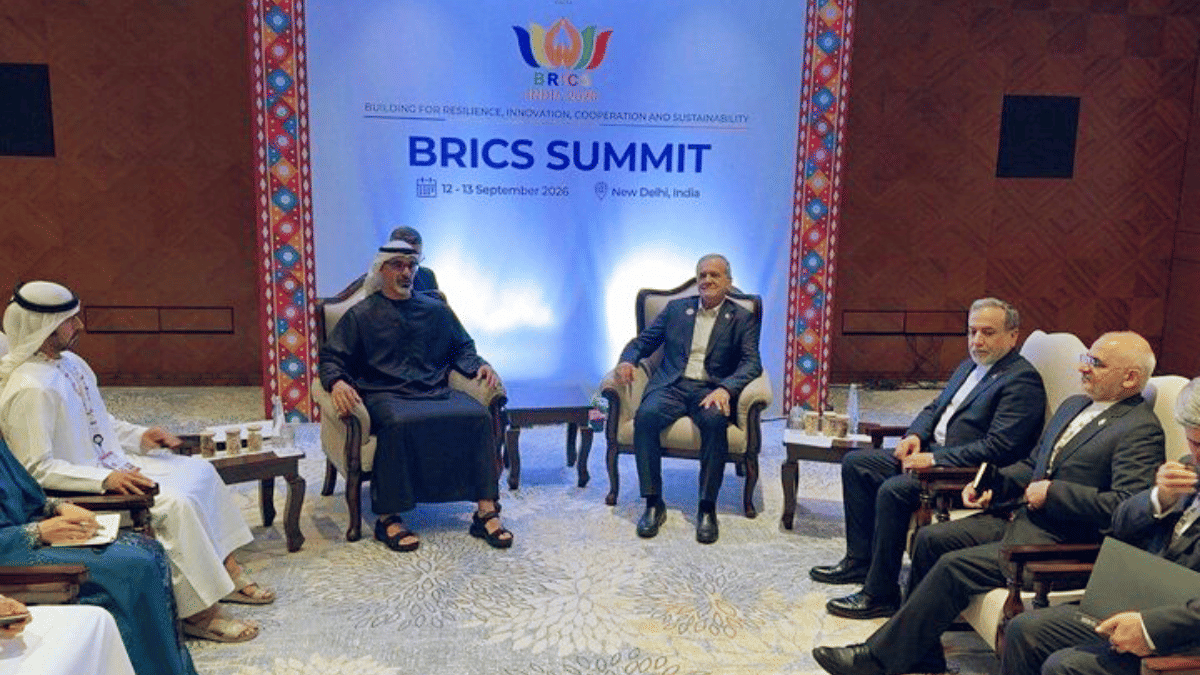
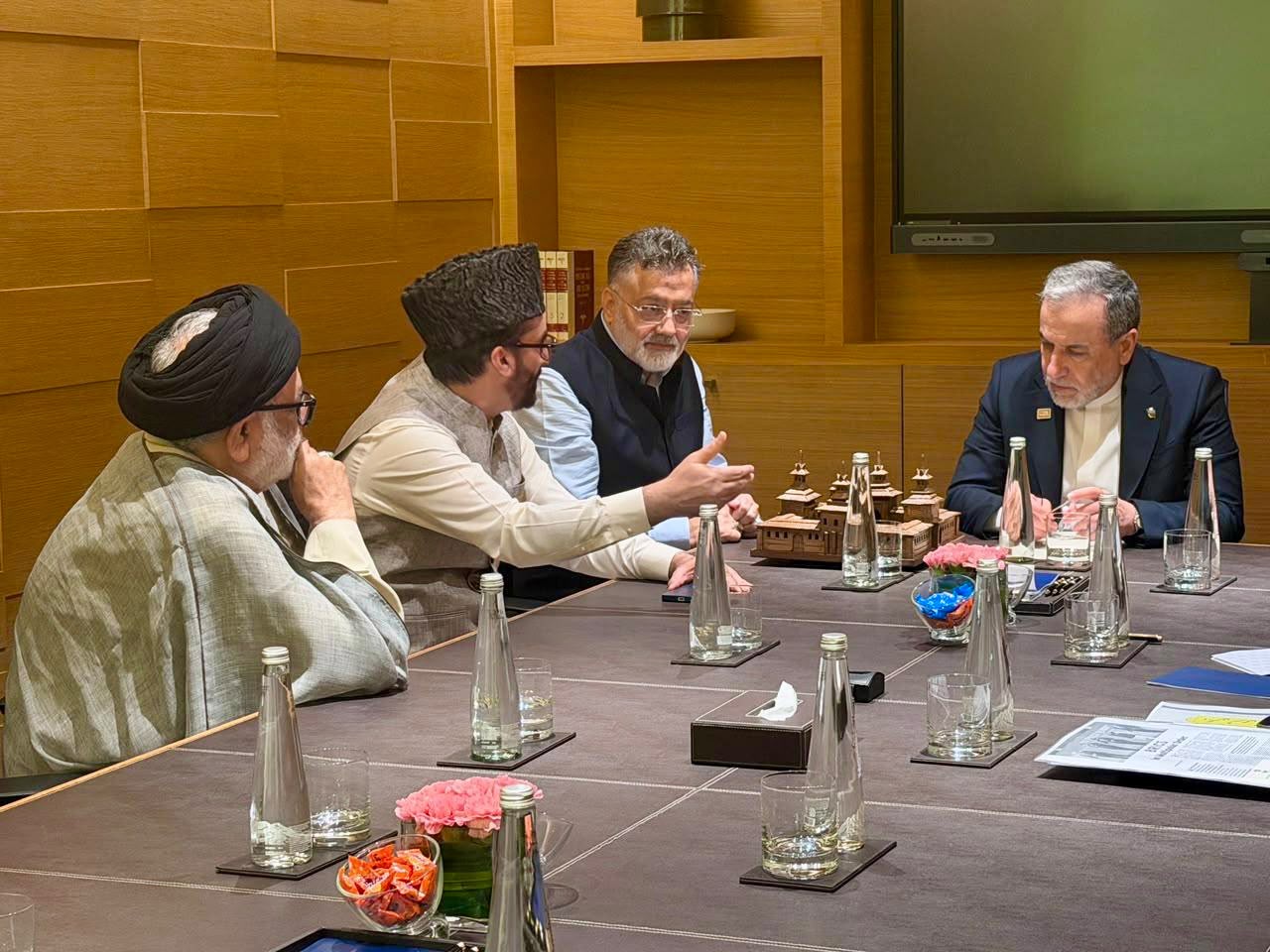
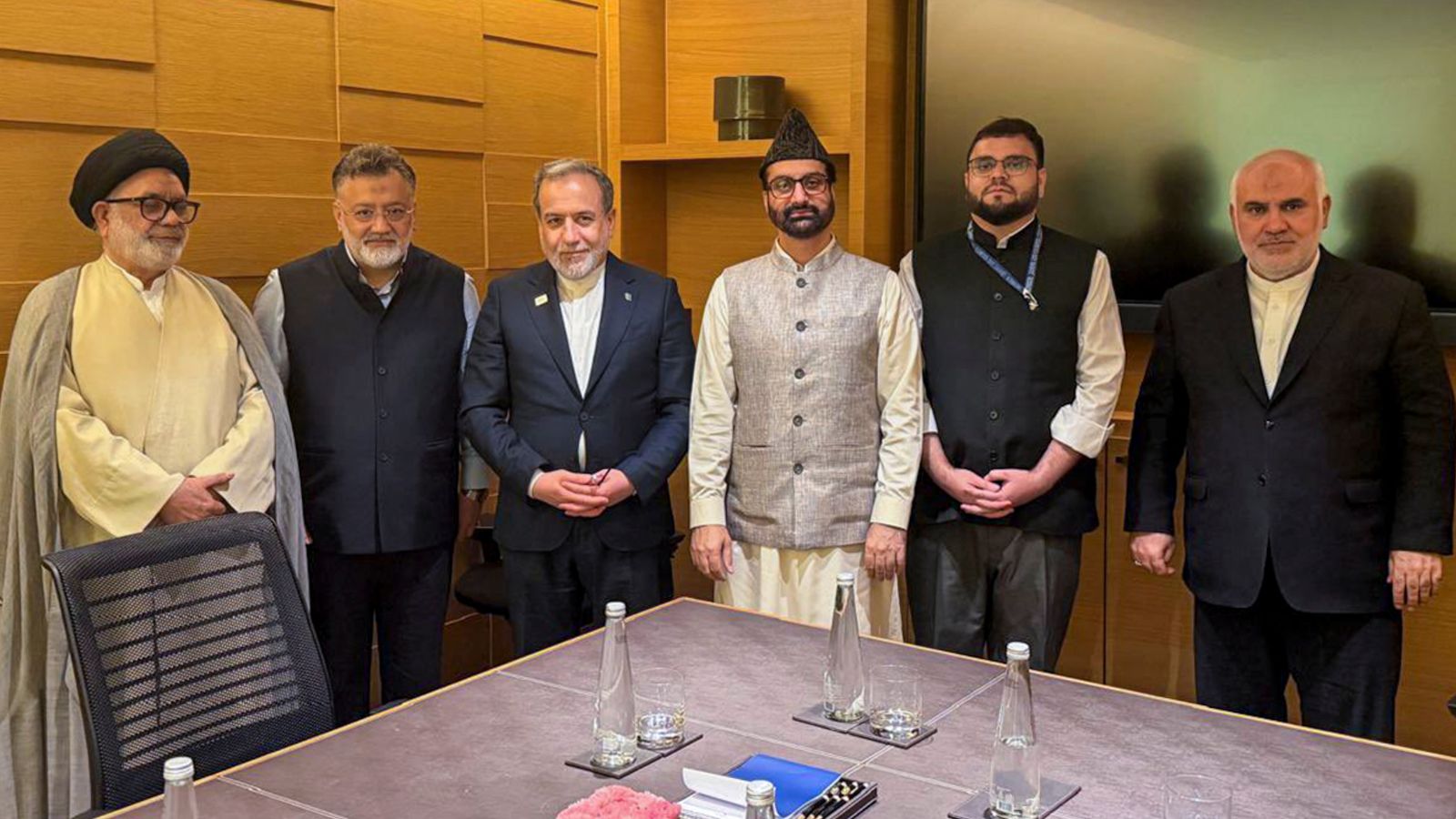
He met Iran’s foreign minister, Abbas Araghchi, in New Delhi during the BRICS Summit.
He gave Araghchi a letter for Iran’s president, Masoud Pezeshkian.
The letter said wars cause suffering and that countries should solve disagreements through talking.
Mirwaiz also said India’s tradition of nonviolence could help encourage peace.
He asked Muslims to remain united despite political and religious differences.
He spoke about the harm caused by fighting in Iran, Palestine and Lebanon.
He gave Araghchi a wooden model of Srinagar’s Jamia Masjid to represent ties between Kashmir and Iran.
Reports differed over whether Mirwaiz had a separate, detailed meeting with Pezeshkian, with one attendee saying they only briefly shook hands.

Mirwaiz Muhammad Umar Farooq and other Kashmiri leaders expressed solidarity with Iran during President Masoud Pezeshkian’s New Delhi visit.
Mirwaiz held a detailed meeting with Foreign Minister Abbas Araghchi on the sidelines of the BRICS Summit.
A letter delivered to Pezeshkian urged restraint, diplomacy, dialogue and negotiation instead of prolonged confrontation.
The delegation raised concerns about civilian deaths, destruction and instability in Iran, Palestine and Lebanon, while calling for Muslim unity.
Accounts differed over whether Mirwaiz had a substantive meeting with Pezeshkian; legislator Syed Muntazir Mehdi said there was only a brief handshake.
- Who
- Mirwaiz Muhammad Umar Farooq, Iranian Foreign Minister Abbas Araghchi, Iranian President Masoud Pezeshkian and accompanying Kashmiri leaders.
- What
- Mirwaiz met Araghchi, conveyed solidarity with Iran and sent Pezeshkian a letter calling for restraint, dialogue and Muslim unity.
- Where
- New Delhi, on the sidelines of the BRICS Summit.
- When
- The Araghchi meeting took place on Saturday night, after Pezeshkian addressed an interfaith conference on Friday.
- Why
- Mirwaiz said prolonged conflict causes human suffering and that disputes should ultimately be addressed through engagement, negotiation and diplomacy.
Mirwaiz’s Account
Alternative Account
Contact with President Pezeshkian
Mirwaiz’s Account
Mirwaiz’s statement described the delegation’s encounter with the visiting Iranian president as an act of solidarity and said a letter and gift were conveyed to him through Araghchi.
Alternative Account
Syed Muntazir Mehdi said no one from the group had a separate meeting with Pezeshkian because of the large crowd, and that they barely shook hands with him.
Purpose of the visit
Mirwaiz’s Account
Mirwaiz said Kashmiri leaders travelled to New Delhi to express support for Iran and its people during what he described as an imposed war.
Alternative Account
The reports also framed the documented diplomatic contact as a meeting with Araghchi focused on regional conflict, restraint, diplomacy and Muslim unity, rather than as a confirmed substantive meeting with Pezeshkian.
Key facts
- Main meeting
- Mirwaiz said he and accompanying leaders held a detailed conversation with Abbas Araghchi about conflict, peace, engagement and dialogue.
- Letter
- A letter for Masoud Pezeshkian was handed to him through Araghchi.
- Peace message
- The letter called for wisdom, restraint, statesmanship, dialogue and negotiation instead of endless confrontation.
- Regional concerns
- The delegation cited civilian deaths, destroyed homes and infrastructure, and instability involving Iran, Palestine and Lebanon.
- Muslim unity
- Mirwaiz urged Muslims to prevent sectarian differences and political rivalries from weakening the Muslim community.
- Cultural gift
- He presented Araghchi with a walnut-wood replica of Srinagar’s Jamia Masjid.
- Meeting discrepancy
- Syed Muntazir Mehdi said attendees did not have a separate meeting with Pezeshkian and barely exchanged a handshake.
Quotes
Mirwaiz Muhammad Umar Farooq
Kashmir’s chief Muslim cleric and chairman of the All Parties Hurriyat Conference
“This is a time when wisdom, restraint and statesmanship are needed more than ever. Differences, however serious, cannot ultimately be resolved through endless confrontation. War only multiplies human suffering.”
 indianexpress.com
“At a time when Muslims globally face Islamophobia, insecurity and uncertainty, political rivalries and sectarian differences should not be permitted to weaken the Ummah.”
 deccanchronicle.com
Sources
Related news

Modi, Pezeshkian Discuss Ties and West Asia Tensions

Murmu Calls for Dialogue, Diplomacy During Meeting with Iran’s Pezeshkian

Iran Asks Modi to Use India’s Reach to End War
UN Calls Iran-UAE Meeting Important, Hails India’s Bridge-Building Role
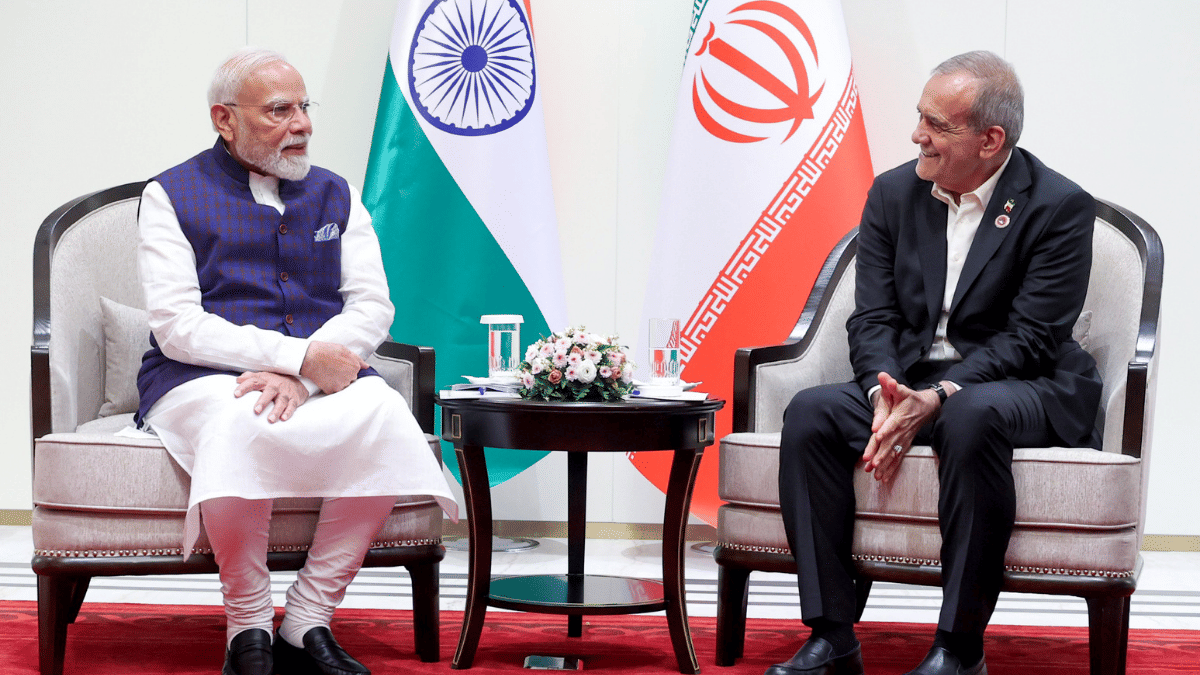
Modi, Pezeshkian Discuss West Asia Peace at SCO Summit