

Archive · 11 Oct 2026
Who Decides What Women Wear—and What Can Be Taken
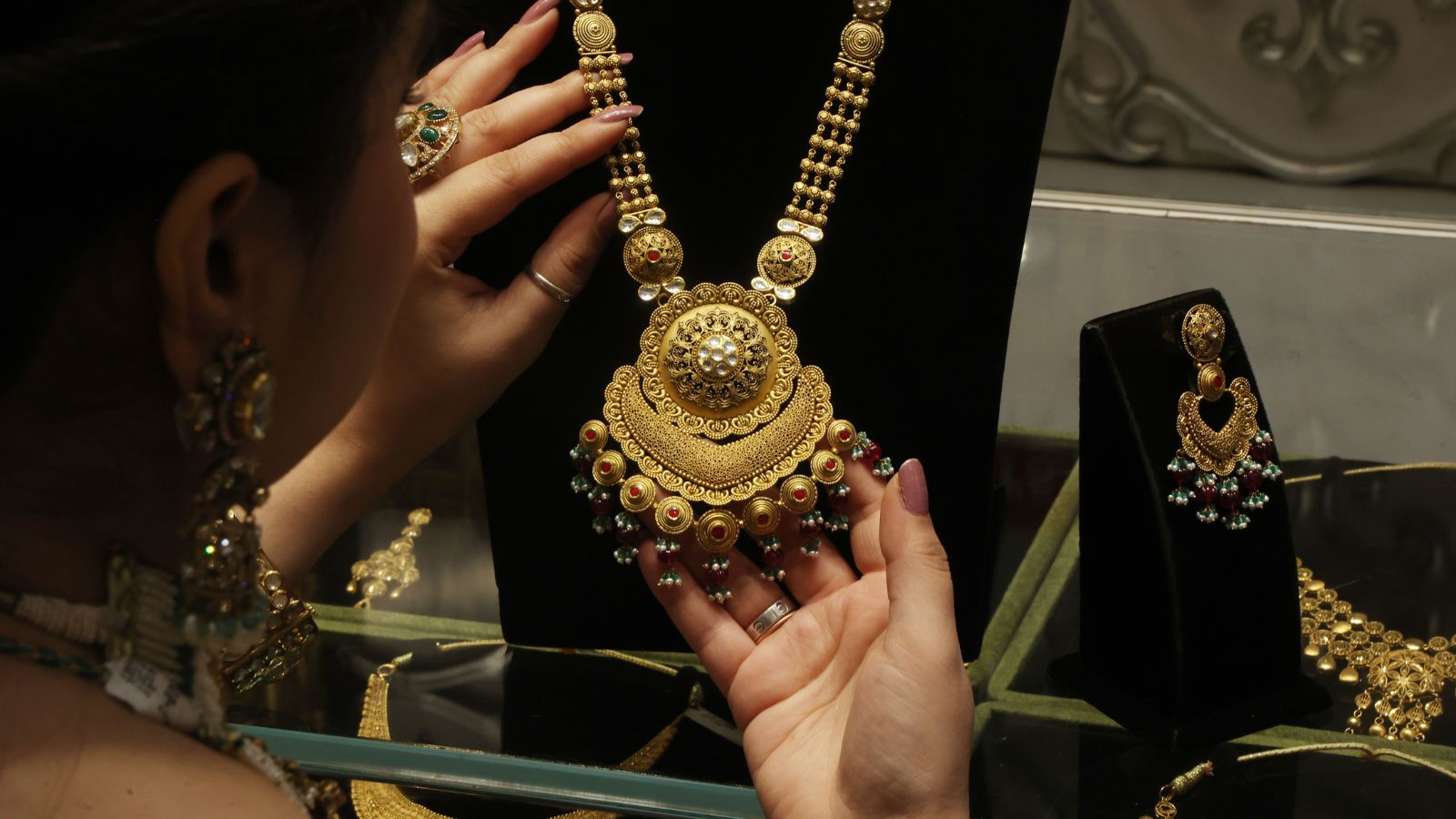
In some parts of India, jewellery is used to show that a woman is married.
When a woman’s husband dies, other people may expect her to take off that jewellery.
The author tells how her aunt stopped people from breaking her niece’s bangles and said the niece should decide for herself.
Some widows choose to keep wearing their jewellery.
One woman says it helps her feel safer, while another wears it because she wants to.
The author says jewellery can be meaningful, but no one should force a woman to wear it or take it off.
Women should be able to make that choice for themselves.

The author says marriage-related jewellery can publicly signal a woman’s marital status and family wealth.
Widows may face pressure or violence to remove jewellery and other signs associated with marriage.
The author recounts her aunt Maya stopping relatives from breaking her widowed niece’s bangles without the niece’s consent.
Some widows continue wearing mangalsutras because they choose to or feel it can help them feel safer.
The essay argues that the central issue is women’s right to decide whether to wear or remove jewellery.
- Who
- The essay’s author, Anagha Kamath, describes her aunt Maya, her widowed niece, and other widows including Mina Sutar.
- What
- The essay examines social pressure around women’s marriage jewellery and argues that women should decide whether to wear or remove it.
- When
- The essay does not give dates for the incidents.
- Where
- The essay discusses India and refers to the author’s village and workplace.
- Why
- The author says jewellery can be tied to public expectations about marriage and widowhood, while personal choice and control over one’s body should remain with the woman.
Personal choice
Social expectations
Whether widows should remove jewellery
Personal choice
The author argues that a woman herself should decide whether and when to remove jewellery.
Social expectations
The essay describes people who treat removing a widow’s jewellery as an expected custom and act on that expectation.
What marriage jewellery means
Personal choice
Some women wear jewellery because they value it or choose it; some widows say a mangalsutra can make them feel safer.
Social expectations
The essay describes jewellery as a public signal of marital status and notes expectations that marriage should visibly change a woman’s appearance.
- Author
- Anagha Kamath
- Author's role
- Founder of KickStart Girls
- Subject
- Women’s choice over wearing or removing marriage-related jewellery
- Jewellery mentioned
- Mangalsutras, bangles, toe rings, and rings
- Aunt's intervention
- Maya said her widowed niece should decide for herself whether and when to remove her jewellery.
- Mina Sutar
- She continues to wear jewellery because she chooses to and tells people her husband is away for work.