

7 months ago
16th Finance Commission Recommends Fiscal Reforms
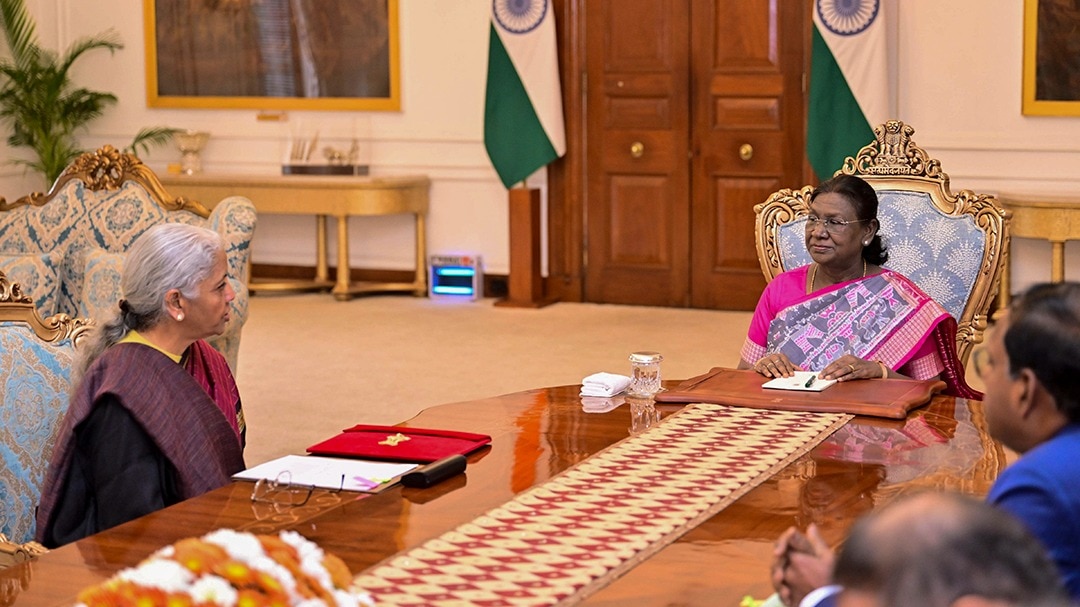
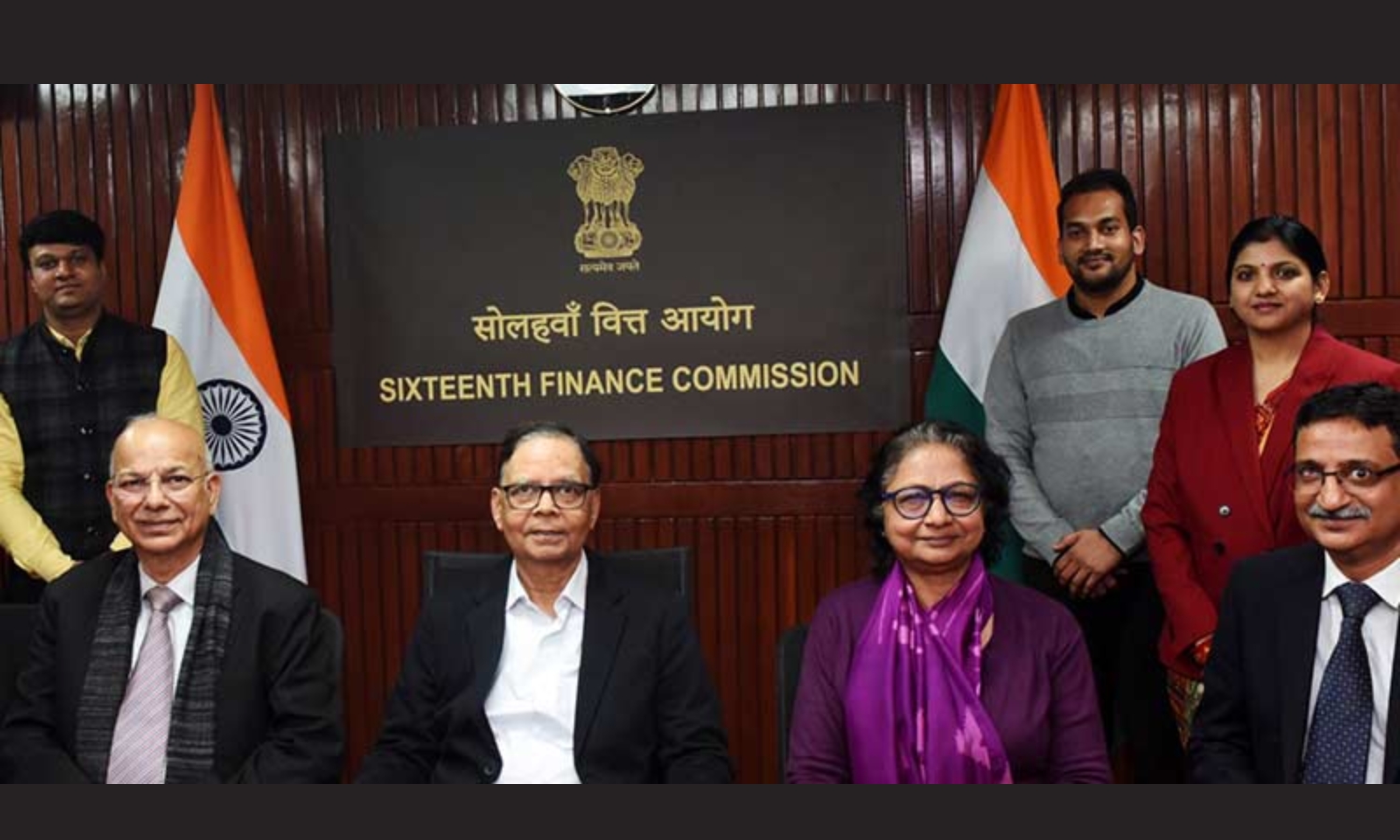
The 16th Finance Commission has suggested some big changes to how the Indian government and states manage their money.
They want to stop giving special money to states that have trouble balancing their budgets, because they think this encourages states to spend too much.
Instead, they want states to find ways to make more money and spend it wisely.
The Commission also wants to make sure that both the central government and the states don't borrow too much money.
They set limits on how much each can spend compared to how much they make.
Some states, like Telangana, are unhappy because they think the new rules aren't fair and don't give them enough money.
But other states, like Karnataka, will get more money because they contribute a lot to the country's economy.
The goal is to make sure everyone is responsible with money and the country keeps growing.

The 16th Finance Commission recommends scrapping revenue deficit grants to states, encouraging them to increase revenues and rationalize expenditure.
States' share in the divisible tax pool remains at 41%, with a new parameter introduced based on their contribution to GDP.
Fiscal deficits for states should be capped at 3% of GSDP, and the central government aims to reduce its fiscal deficit to 3.5% of GDP by FY31.
Telangana views the marginal increase in its tax devolution share as disappointing, while Karnataka emerges as a significant gainer under the new formula.
The Commission suggests reforms in Centrally Sponsored Schemes, subsidy rationalization, and stronger tax administration for states.
- Who
- The 16th Finance Commission and the Union Government of India
- What
- Recommended fiscal reforms, including scrapping revenue deficit grants, capping fiscal deficits, and introducing a new parameter for states' share in the divisible tax pool based on their contribution to GDP
- Where
- India
- When
- For the fiscal year 2026-27 and beyond
- Why
- To ensure fiscal sustainability, prioritize capital expenditure, and address the root causes of revenue shortages in states
States' Perspective
Central Government's Perspective
Revenue Deficit Grants
States' Perspective
States argue that the scrapping of revenue deficit grants will force them to widen their tax and non-tax revenue sources, rationalize committed expenditure, and rein in subsidy payouts, which may strain their finances.
Central Government's Perspective
The 16th Finance Commission believes that revenue deficit grants create an adverse incentive for states to be profligate and do not address the root causes of revenue shortages.
Tax Devolution
States' Perspective
States, particularly those like Telangana, argue that the current formula for tax devolution disadvantages economically productive and fiscally disciplined states, and that the share of states in the divisible tax pool should be increased to 50%.
Central Government's Perspective
The Central Government retains the states' share in the divisible tax pool at 41%, citing the need for predictability in intergovernmental transfers and the impact of cesses and surcharges on the effective size of the tax pool.
Fiscal Deficit Caps
States' Perspective
States may find it challenging to adhere to the recommended fiscal deficit caps of 3% of GSDP, as it requires strict fiscal discipline and may limit their ability to invest in infrastructure and social welfare programs.
Central Government's Perspective
The 16th Finance Commission recommends capping states' fiscal deficits at 3% of GSDP to ensure financial stability and macro-fiscal stability, and to phase out off-budget borrowings.
Key facts
- Central Government Debt (FY27)
- 55.6% of GDP
- Fiscal Deficit (FY27)
- 4.3% of GDP
- Nominal GDP Growth (FY27)
- 10% over FY25-26
- Gross Tax Revenue (FY27)
- 11.2% of GDP
- Total Expenditure (FY27)
- ₹53.47 lakh crore
- Capital Expenditure (FY27)
- ₹12.22 lakh crore
- Revenue Expenditure (FY27)
- ₹41.25 lakh crore
- Interest Payments (FY27)
- ₹14.04 lakh crore
- Subsidies (FY27)
- ₹4.11 lakh crore
- Tax Devolution to States (FY27)
- ₹15.26 lakh crore
- States' Share in Divisible Tax Pool
- 41%
- Recommended Fiscal Deficit Cap for States
- 3% of GSDP
- Recommended Fiscal Deficit for Central Government by FY31
- 3.5% of GDP
- Telangana's Share in Central Tax Devolution
- 2.174%
- Karnataka's Share in Central Tax Devolution
- 4.13%
Timeline
Ministry acts ahead of GST Council meet, seeks tax simplification suggestions.
Minister fulfills promise, engages industry leaders on GST reforms.
Industry input sparks debt reduction plan, funds tied to state economies.
Govt targets 55.6% debt-to-GDP ratio by '26-27, state funds linked to economic contribution.
Quotes

Nirmala Sitharaman
Finance Minister of India
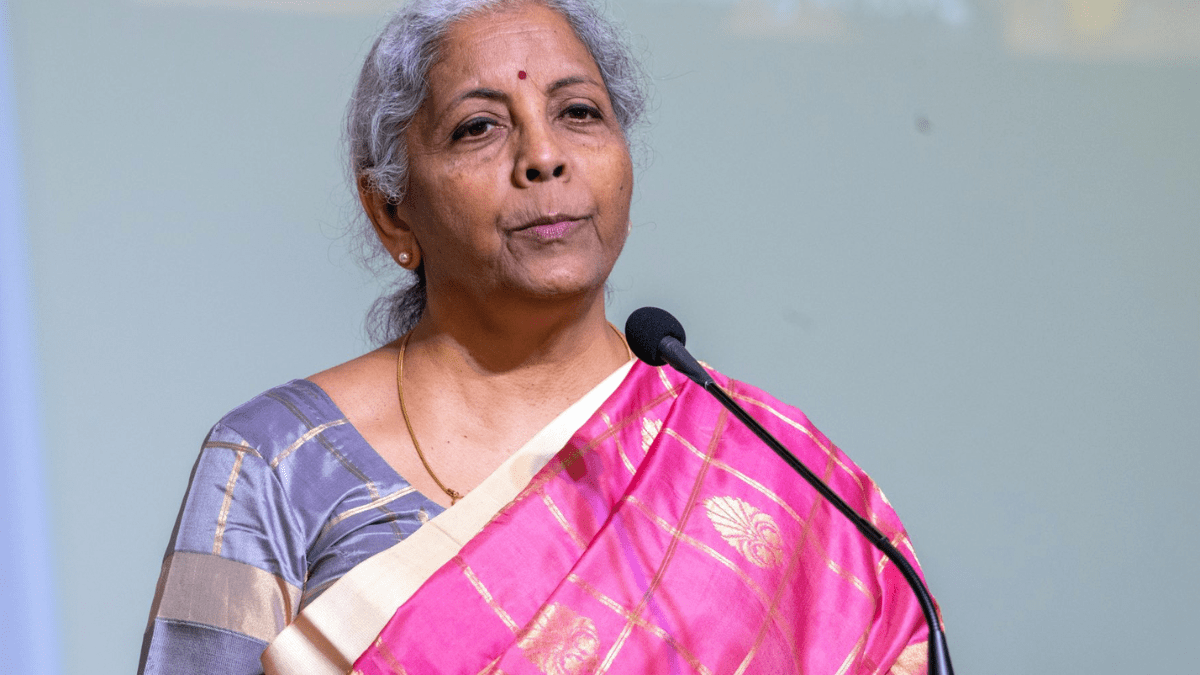
“Elon Musk takes the IMF data to say ‘wow, is this true’. I don’t remember if he exactly said ‘wow’... China contributes 26% of growth in global GDP. India contributes 17%. Together, 43 % of global GDP growth comes from these two economies... But India’s opposition should also understand that this is the kind of strength that India has acquired now.”
 financialexpress.com
“Next only to China, the gap may be big, 26 and 17, but we’ll bridge it. But we should have the confidence that, together with a big economy, which is just next door, we contribute 43% of global GDP growth”
financialexpress.com

Elon Musk
Billionaire tech entrepreneur and CEO of multiple companies
“The balance of power is changing”
financialexpress.com
Sources
Fiscal Reset: 16th Finance Commission scraps revenue deficit grants

Subsidy allocation for food, fertiliser, fuel cut 5% to ₹4.3 trillion
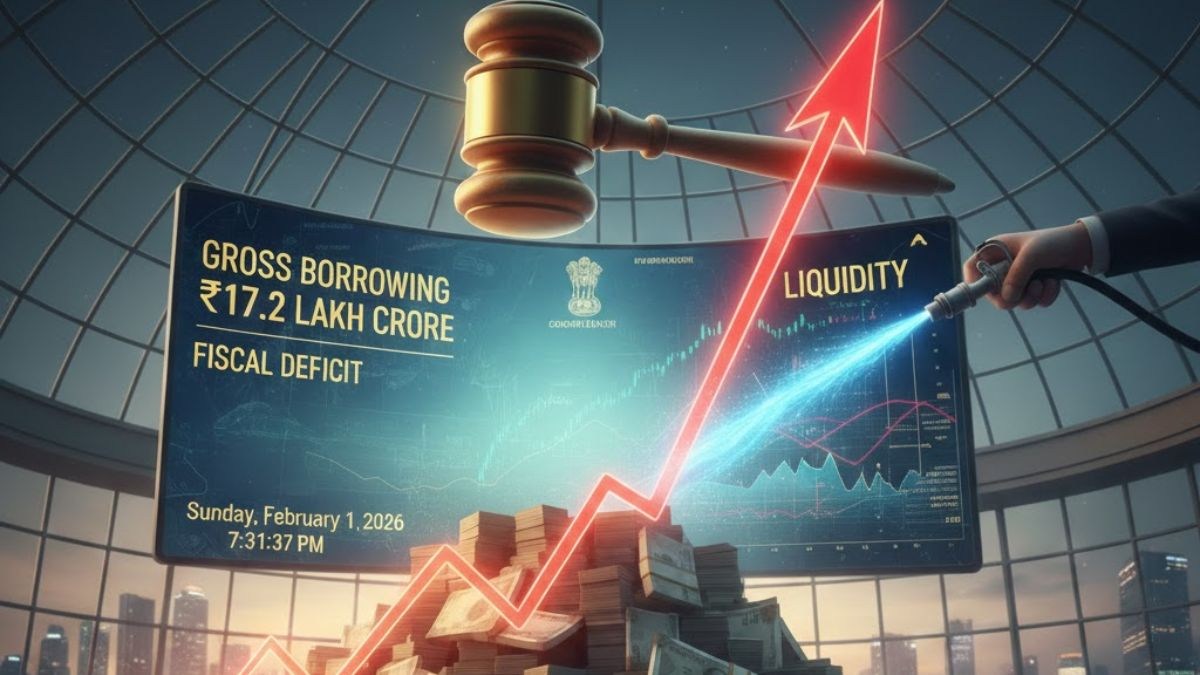
At Rs 17.2 lakh crore, borrowing overshoots expectations
Union Budget 2026-27 | ‘Budget has overlooked the women who form the backbone of India’s health system’
16th Finance Commission Report: A Setback for TG, Tax Devolution Increased by Just 0.072%

Karnataka Emerges Biggest Gainer Under 16th Finance Commission Formula
Consolidation pace moderates: Debt-to-GDP cut by 50 bps, fiscal deficit 1 bps in FY27
Finance Commission introduces new parameter of contribution of state to GDP in horizontal devolution

Union Budget: How money comes, how money goes?
Union Budget 2026-27: Higher tax share for south states, Hindi heartland states see dip
Sixteenth Finance Commission rewards contribution to GDP

A fine balance between equity and efficiency
Fiscal Deficit of States to be Capped at 3 Percent: Finance Commission
‘Wow, is this true?’: Sitharaman quotes Elon Musk on India’s 17% global GDP growth contribution
Related news

Andhra Pradesh Restores 34% BC Reservation in Rural Bodies

Are Finance Commissions Undoing India's Constitutional Federal Design?

Urbanisation key to India's developed nation goal by 2047: Panagariya
Kerala CM Claims Finance Commission Misclassified Census Towns
