

Archive · 5 Jun 2025
Understanding Alzheimer's: Symptoms, Causes, and Treatment
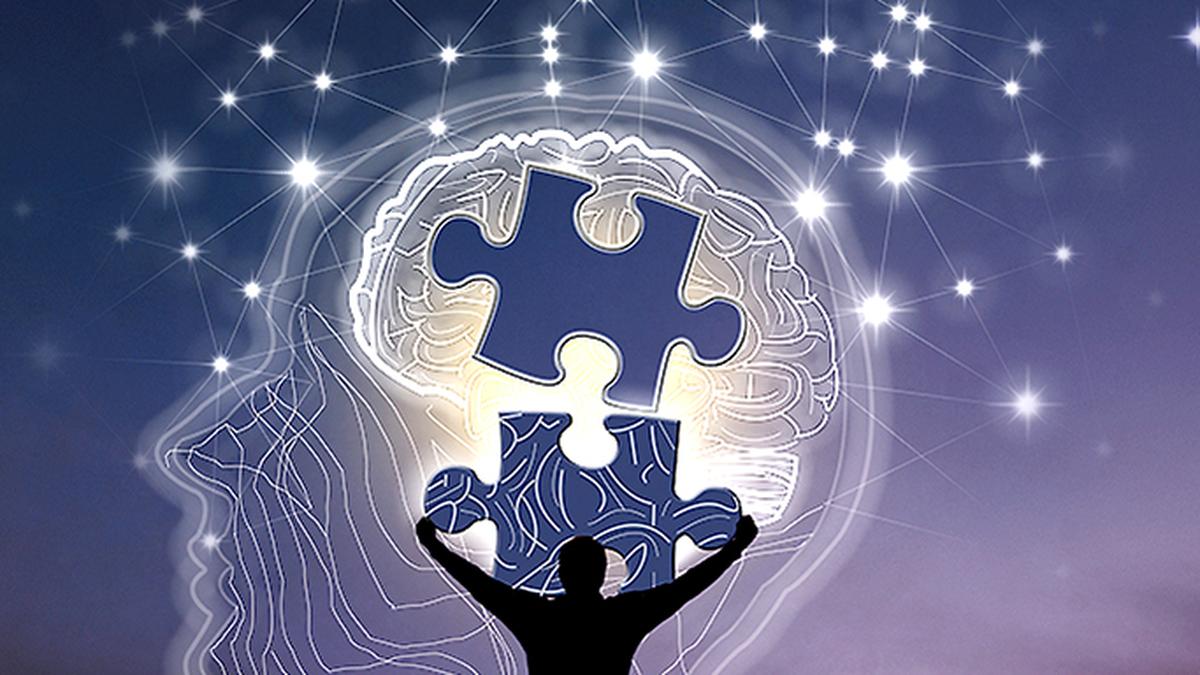
Alzheimer's is like a disease that affects your brain, making it hard to remember things and think clearly.
It's the most common cause of dementia.
The brain gets damaged over time, and it shrinks.
Scientists think it's caused by tiny clumps of protein that build up.
People might forget recent events or conversations.
There is no cure, but there are medicines and ways to make life easier for those with the disease.
It's more common as you get older, especially after 65.
Living healthy can help manage symptoms.

Alzheimer's disease is the most common form of dementia, affecting memory and thinking.
The disease is progressive, with brain cells damaged and dying over time.
Scientists believe it's caused by abnormal protein buildup in the brain.
Risk factors include age (65+), family history, and certain lifestyle conditions.
While there's no cure, treatments can manage symptoms and progression.
- Who
- Alzheimer's disease can affect anyone, but risk factors include age, genetics, and lifestyle.
- What
- Alzheimer’s disease is the most common form of dementia, causing memory loss and impaired cognitive function.
- When
- Alzheimer's can occur at any time, but the risk increases with age, particularly after 65.
- Where
- Alzheimer's is a global health concern, with India projected to have a large number of cases by 2030.
- Why
- The exact causes of Alzheimer's are still being studied, but believed to be from protein buildup in the brain.
- Definition
- Most common form of dementia
- Impact
- Impaired memory, thinking, reasoning, and function
- Cause
- Buildup of proteins (beta amyloid and tau) in the brain
- Risk Factors
- Age (65+), family history, head injury, lifestyle conditions
- Symptoms
- Memory loss, confusion, personality changes
- Treatment
- No cure, but treatments manage symptoms and progression