Archive · 28 Sep 2025
Delhi's Natural Drainage Systems: A History of Loss
Delhi used to have natural rivers that helped drain rainwater, but they've disappeared.
Long ago, the city had good drainage with covered drains.
Over time, these drains fell apart.
The area had natural streams that would carry water away, but these also vanished due to construction and pollution.
The British introduced a new system, including flushing toilets, that polluted the streams.
Today, the old drainage systems are not maintained and new constructions are not designed in a way that considers the natural slope of the land.
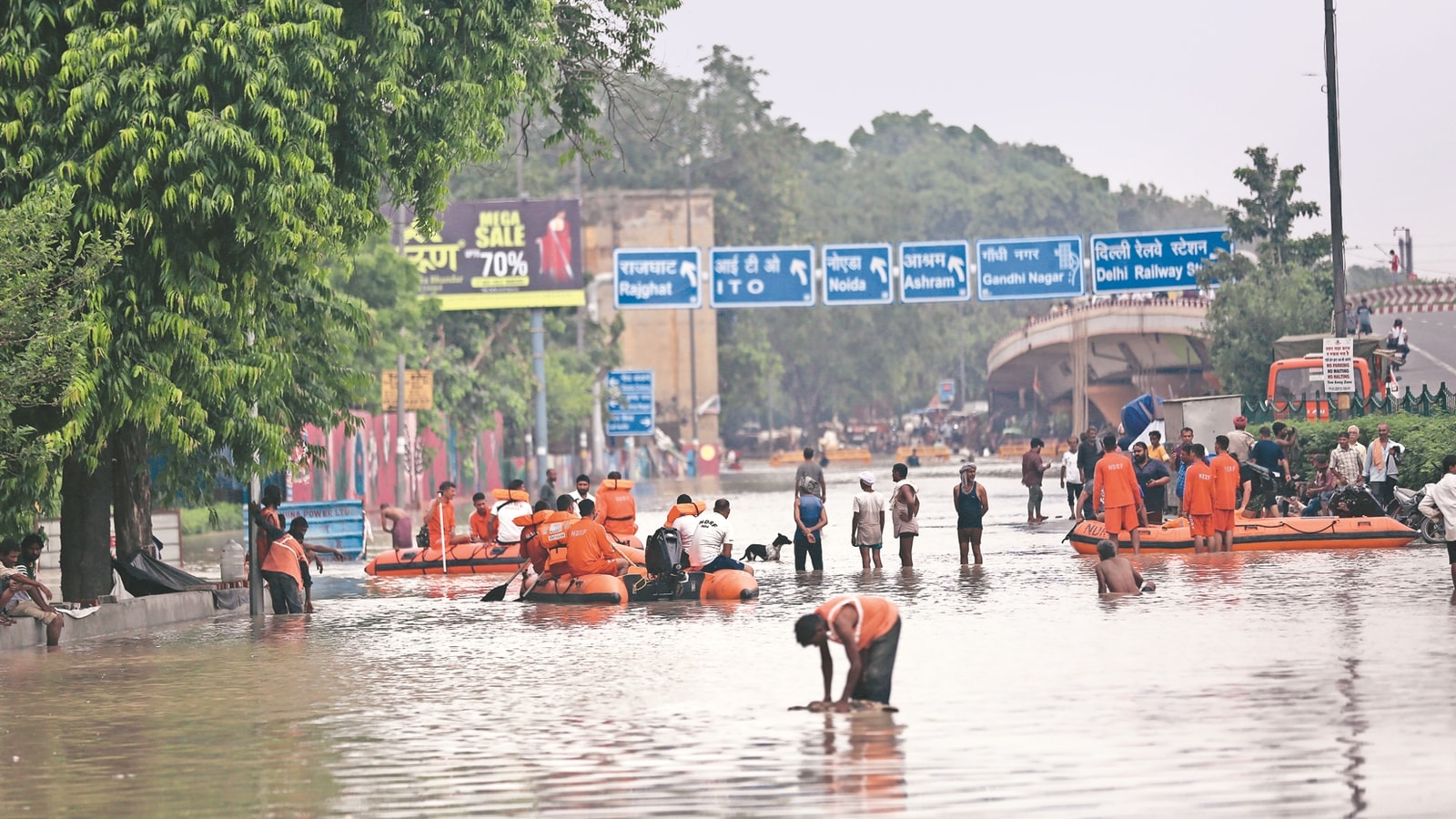
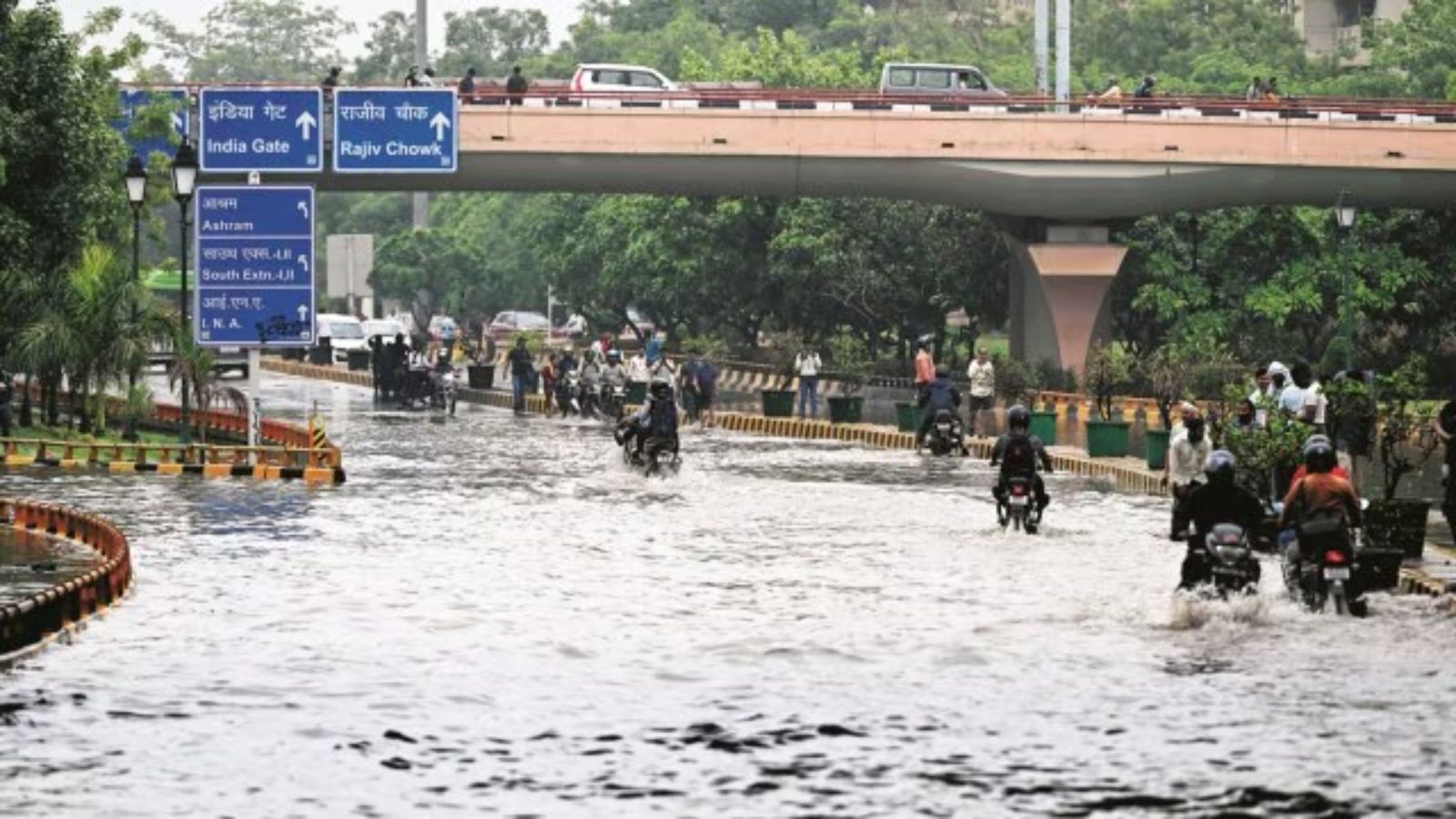
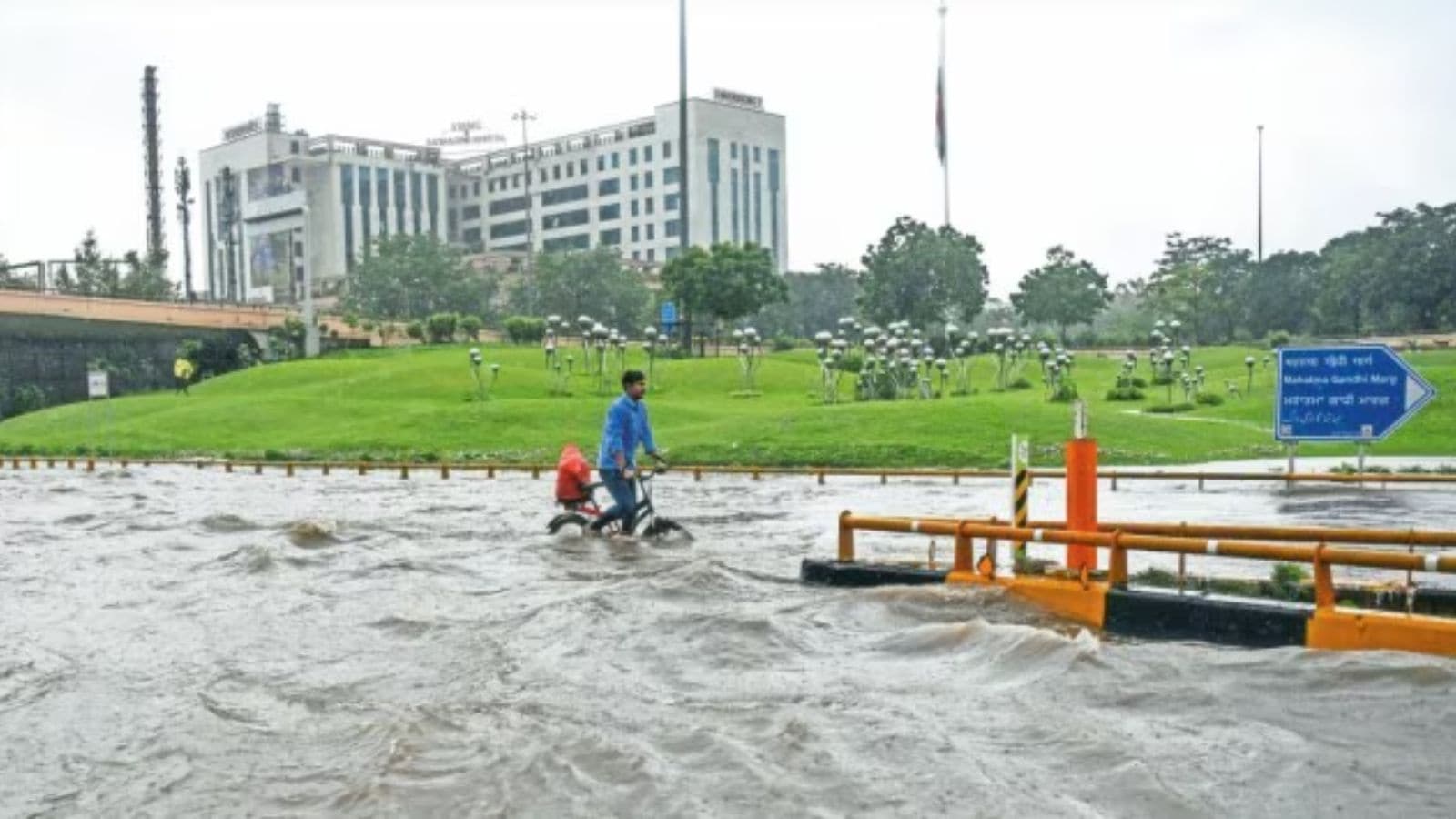
This is why Delhi floods often.

Shahjahanabad had a drainage system with covered drains, but they were neglected.
Delhi's natural drainage included streams flowing into the Yamuna, which supported lakes and ponds.
Many natural water bodies have been filled, decreasing the capacity for rainwater.
The British introduced flush toilets and sewers that polluted the natural drainage.
Post-independence settlements have often disregarded the natural slope, contributing to flooding.
- Who
- Experts and historians
- What
- The evolution and decline of Delhi's natural and built drainage systems.
- When
- From the 17th century to the present day.
- Where
- Delhi, India
- Why
- To understand the causes of current flooding issues in the city.
- Shahjahanabad Drainage
- Covered drains emptied through major gates.
- Natural Drainage
- Streams from the Aravalli foothills drained into the Yamuna.
- Lakes and Ponds Decline
- Over 300 lakes and ponds in 1947, less than 20 today.
- British Infrastructure
- Introduced municipal waterworks, Renny’s wells, and the flush system.