

2 hrs ago
Fed Watchdog Questions Confidential Information and Director Selection
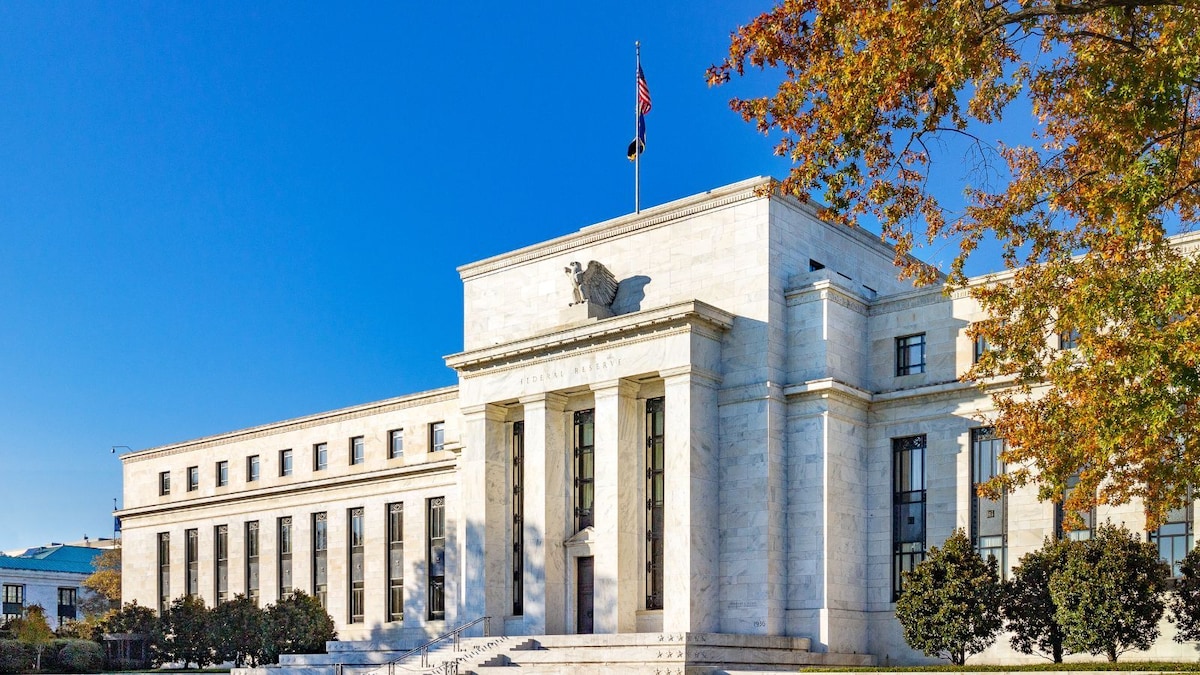
The Federal Reserve has 12 regional banks with boards that include bankers and business leaders.
An inspector general checked whether these directors might hear secret information about interest-rate decisions.
The watchdog said some briefings before or after policy meetings could accidentally reveal confidential details.
It recommended better warnings about legal duties and conflicts of interest.
The Federal Reserve Board disagreed that the briefings created a significant risk.
It said its employees are not allowed to share confidential policy information.
The watchdog also questioned how regional bank presidents and some board members are chosen.
It said bank representatives may have too much influence over choosing directors who are supposed to represent the public.
The report recommended clearer rules and more disclosure.

The Federal Reserve’s inspector general said regional reserve banks should better prevent confidential information from reaching private-sector directors.
The report cited briefings after policy meetings that could have included nonpublic economic or Federal Open Market Committee information.
The Federal Reserve Board defended the briefings as necessary and said staff are prohibited from sharing confidential policy information.
The watchdog recommended stronger conflict-of-interest disclosures for presidential searches and clearer rules for selecting public directors.
The report said bank-affiliated Class A directors help select Class C directors at nine of 12 regional banks, potentially giving banks undue influence.
- Who
- The Federal Reserve’s Office of Inspector General, the Board of Governors, regional reserve bank directors, and regional bank officials.
- What
- An inspector general report raised concerns about confidential information, conflicts of interest, and the selection of regional Federal Reserve leaders and directors.
- Where
- The issues involve the Federal Reserve System’s 12 regional reserve banks, including the New York, Chicago, and Philadelphia Federal Reserve Banks.
- When
- The report was released Wednesday, September 2; it also discussed events from October 2015 and late 2022.
- Why
- The watchdog said stronger safeguards were needed to prevent misuse of nonpublic information and undue influence in appointments.
Inspector General Concerns
Federal Reserve Defense
Confidential briefings
Inspector General Concerns
Briefings with directors near policy meetings could expose sensitive Federal Open Market Committee information, even when discussions are broad or forward-looking.
Federal Reserve Defense
The Board of Governors said the briefings provide important nonconfidential information and that staff and policymakers are barred from sharing confidential policy details.
Regional president selections
Inspector General Concerns
The watchdog called for external search firms’ potential conflicts with candidates to be monitored and disclosed, citing concerns about an opaque process.
Federal Reserve Defense
The article does not report a direct Federal Reserve response to this recommendation, but says the process now generally includes public forums and published information about selection committees.
Selection of public directors
Inspector General Concerns
The watchdog said bank-affiliated Class A directors’ involvement in choosing Class C directors could give member banks undue influence over entire boards.
Federal Reserve Defense
The article does not provide a specific defense from the Federal Reserve on this point; the Board of Governors was instead urged to issue written guidance clarifying the process.
Key facts
- Institutions involved
- The Federal Reserve System’s 12 regional reserve banks and the Board of Governors.
- Information concern
- Some director briefings before or after policy meetings could have included nonpublic economic or Federal Open Market Committee information.
- Watchdog recommendation
- New directors should be informed about their duties, conflict-of-interest law, and related criminal penalties.
- Federal Reserve response
- The Board of Governors said staff and policymakers are prohibited from providing confidential Federal Open Market Committee information to directors.
- Search conflicts
- The inspector general recommended monitoring and disclosing potential conflicts between external search firms and presidential candidates.
- Class director issue
- At nine of 12 reserve banks, Class A directors representing banks help recruit or approve Class C directors representing the public.
- Past examples
- The report discussed criticism involving Austan Goolsbee’s 2022 appointment and Patrick Harker’s 2015 selection.
Quotes
Benjamin McDonough and two senior Federal Reserve staffers
Officials who responded on behalf of the Federal Reserve Board of Governors
“The briefings didn’t create a potential for directors to obtain confidential information because Federal Reserve System staff and policymakers are prohibited from providing confidential FOMC information to directors.”
 CNBC TV 18
“The involvement of Class A directors in the selection of Class C directors may give member banks undue influence over the composition of the entire board of directors.”
CNBC TV 18
Sources
Related news
Trump Downplays Warsh Talks Amid Fed Independence Doubts

Kevin Warsh Calls for a Quieter, More Purposeful Fed

Jana Shares Fall Amid Federal Bank Merger Buzz, Clarifications

Fed Chair Warsh Faces High Stakes at Jackson Hole
Warsh Heads to Jackson Hole With No Rate Signal Expected
