Archive · 7 Oct 2026
Supreme Court Closes Tamil Nadu Privilege Case, Leaves Questions Open
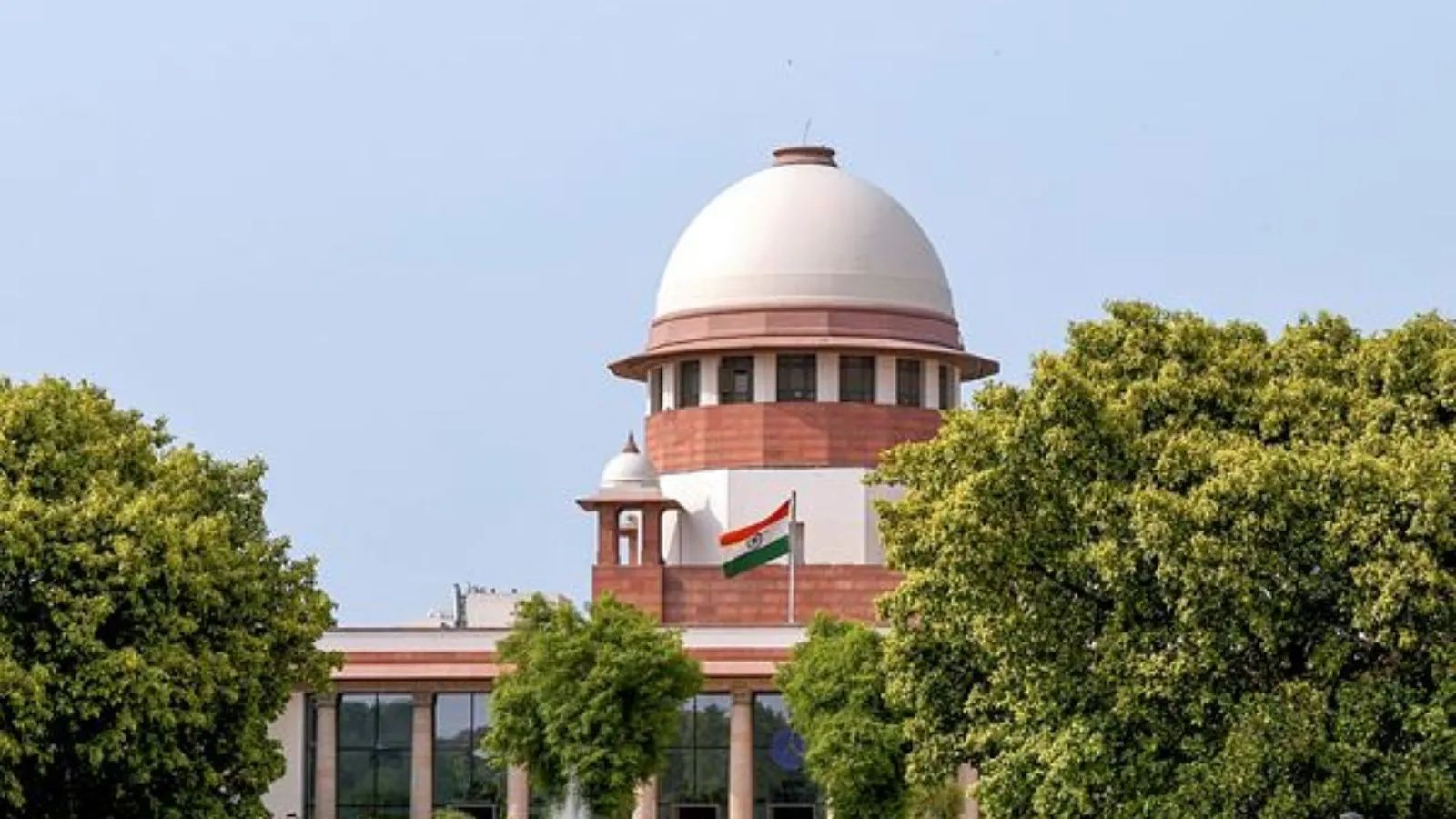
The Supreme Court was considering a case about the powers of state legislatures and people’s right to speak freely.
The case began after the Tamil Nadu Assembly punished five journalists in 2003 for reporting critically about the government.
The Assembly withdrew the resolution behind the case in 2004.
On Tuesday, the Supreme Court closed the proceedings because that original dispute was no longer active.
The judges did not decide the larger legal questions.
They left those questions open for a future case.
The questions include when a legislature can use its privileges against people outside the legislature.
They also include how those privileges should work alongside the right to free speech.

The Supreme Court closed proceedings in the Tamil Nadu Assembly privilege case on Tuesday, leaving the wider legal questions open.
The seven-judge Bench noted that the Assembly withdrew the resolution behind the case in 2004.
The court said the withdrawal had not been specifically brought to its notice when the matter was referred to the larger Bench.
The case began after the Assembly sentenced five journalists from The Hindu to 15 days’ simple imprisonment in 2003 over reports and an editorial.
The Bench did not rule on how legislative privilege should be reconciled with freedom of speech; those questions may be decided in a future case.
- Who
- The Supreme Court’s seven-judge Bench, presided over by Chief Justice of India Surya Kant; the case arose from Tamil Nadu Assembly action against five journalists.
- What
- The Court closed the proceedings while leaving the wider questions about legislative privilege and freedom of speech open.
- When
- The proceedings were closed on Tuesday; the Assembly resolution at the centre of the case was withdrawn in 2004.
- Where
- The Supreme Court of India; the original dispute involved the Tamil Nadu Assembly.
- Why
- The Assembly had withdrawn the resolution that formed the basis of the case, so the original controversy was no longer live.
Close the Current Case
Preserve the Wider Questions
Whether the dispute remained live
Close the Current Case
Tamil Nadu Assembly counsel argued that the resolution had been withdrawn in 2004 and that the controversy had become academic. The Attorney General and Solicitor General also agreed it may be academic.
Preserve the Wider Questions
Kapil Sibal argued that the original dispute might be over, but the wider constitutional questions remained significant.
When to consider the constitutional questions
Close the Current Case
Chief Justice Surya Kant suggested ending the current proceedings and waiting for a live controversy before examining the broader issues.
Preserve the Wider Questions
The larger questions about legislative privilege and freedom of speech should remain open for consideration in a future case.
- Court
- Supreme Court of India
- Bench
- Seven-judge Bench presided over by Chief Justice Surya Kant
- Proceedings
- Closed on Tuesday; broader questions of law left open
- Resolution withdrawn
- The Tamil Nadu Assembly withdrew the resolution in 2004
- Original action
- Five The Hindu journalists were sentenced to 15 days’ simple imprisonment in 2003
- Constitutional provisions raised
- Articles 105, 194 and 19(1)(a)