

Archive · 21 Sep 2025
ASMR for Anxiety: Mixed Evidence of Potential Benefits
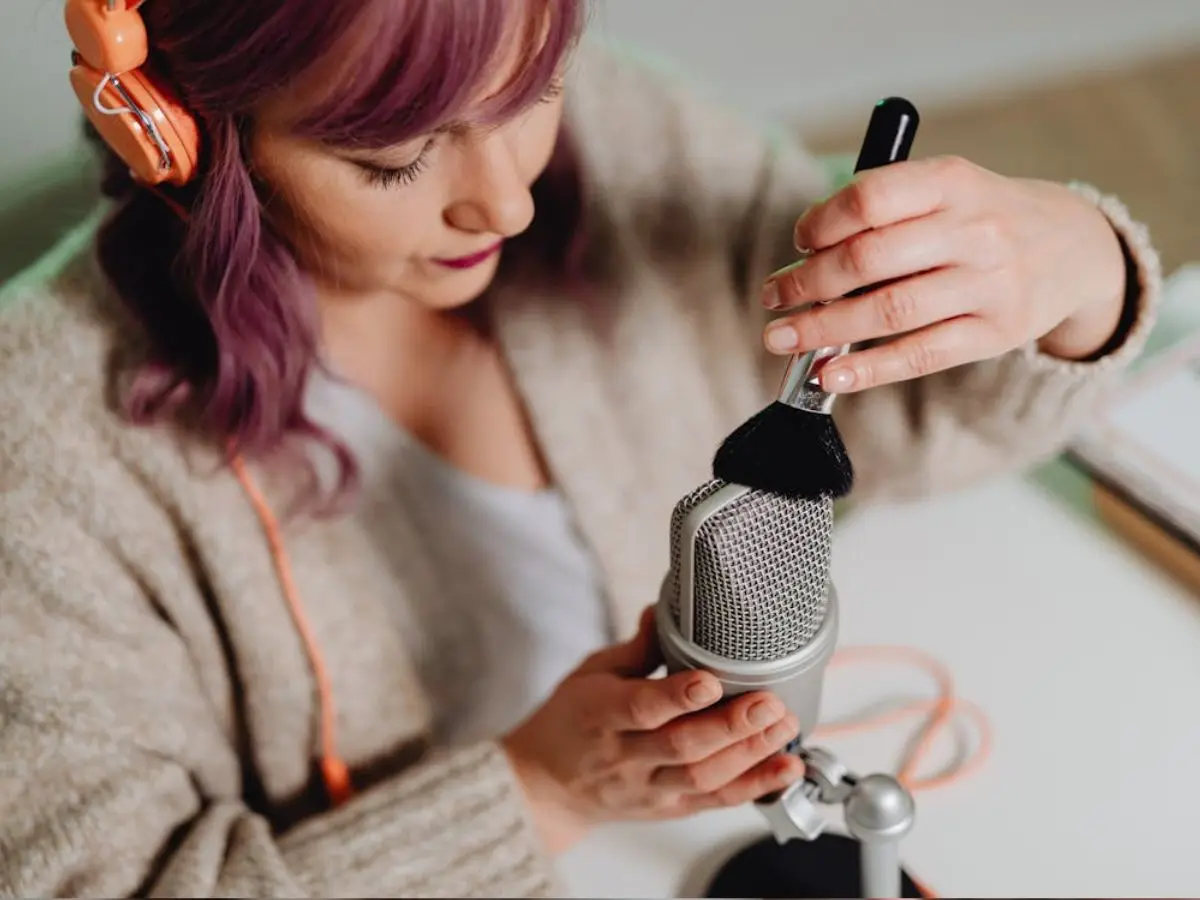
ASMR is a feeling some people get, like a tingling sensation, when they hear or see certain things, like whispering or someone brushing their hair.
It might help people feel calm and relaxed.
Scientists are still figuring out exactly how it works in the brain and body.
Some people find it helpful for anxiety and sleep, but it doesn't work for everyone.
There's no proof it's a good treatment yet, but if you enjoy ASMR, it's unlikely to cause harm.

ASMR triggers a tingling sensation on the scalp and neck in some people.
Common triggers include whispering, tapping, and personal attention.
Not everyone experiences ASMR; some suggest 1 in 5 do.
ASMR is linked to relaxation and potentially reduced stress.
There is no evidence to support it as a clinical intervention.
- Who
- Individuals, 'whisper community' members
- What
- ASMR - an emotional and physical response triggered by sound or visual stimuli.
- When
- Ongoing research with mixed results.
- Where
- Online through ASMR videos.
- Why
- To potentially reduce anxiety, stress, and aid in sleep.
- Phenomenon
- Autonomous Sensory Meridian Response (ASMR)
- Common Triggers
- Whispering, tapping, crackling sounds, personal attention
- Reported Effects
- Tingling sensation, relaxation, stress reduction
- Physical Responses
- Mixed results; some show decreased heart rate, others increased sweating
- Affected Population
- Not everyone; estimates suggest 1 in 5 experience ASMR
- Therapeutic Use
- No clinical trials to prove therapeutic effects.
