

Archive · 26 Sep 2025
Supreme Court Issues New Guidelines for Cheque Dishonor Cases
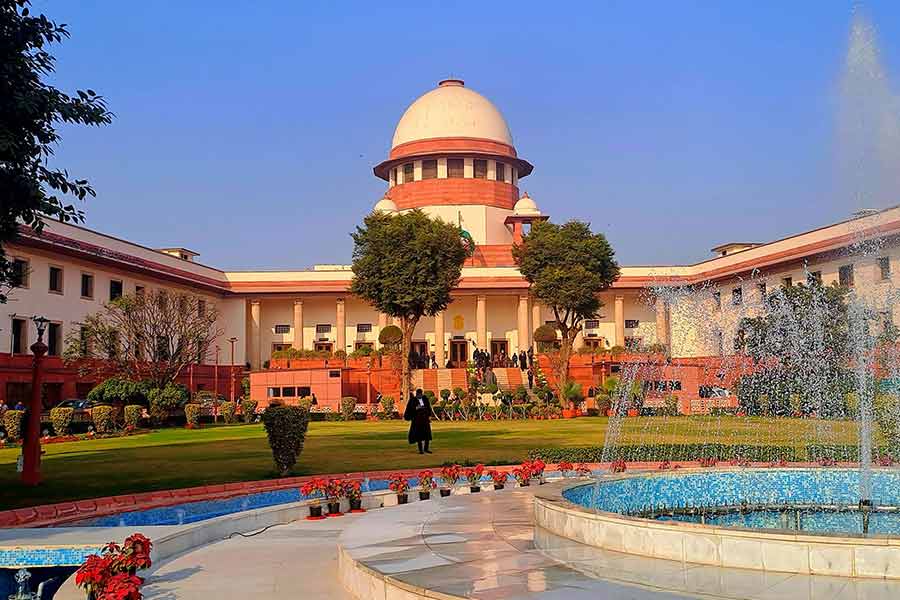
The Supreme Court is trying to make it easier and faster to solve cases where checks bounce because there isn't enough money.
They've made new rules to encourage people to pay what they owe.
If someone pays the money back quickly, they might not have to pay extra.
If they pay later, they might have to pay a bit more.
The goal is to speed up the court cases and ensure checks remain a trustworthy way to pay instead of using cash.

Supreme Court issued new guidelines to reduce the backlog of cheque dishonor cases.
The guidelines aim to reduce the backlog by promoting voluntary compromises.
Revised guidelines include allowing compounding of offences and the possibility of probation.
The Supreme Court cited high pendency and falling interest rates as reasons.
Summons service will include dasti in addition to usual modes.
- Who
- Supreme Court
- What
- Issued new guidelines to reduce the backlog of cheque dishonor cases
- When
- September 2024
- Where
- District courts in major Indian cities
- Why
- To reduce the staggeringly high pendency of cheque bounce cases under the NI Act.
- Key Issue
- High pendency of cheque bounce cases
- Legal Act
- Negotiable Instruments (NI) Act
- Revised Guidelines Aim
- Reduce backlog and expedite case resolution
- Guideline Focus
- Compounding of offences and probation
- Pendency Data
- Delhi: 6,50,283 cases; Mumbai: 1,17,190; Calcutta: 2,65,985
- Payment before Evidence
- Compounding without penalty
- Payment before Judgment
- 5% additional payment
- Payment in High Court/Sessions Court
- 7.5% additional payment
- Payment in Supreme Court
- 10% additional payment
