

Archive · 5 Oct 2026
Weak September Jobs Growth Raises Fed Rate-Hike Dilemma
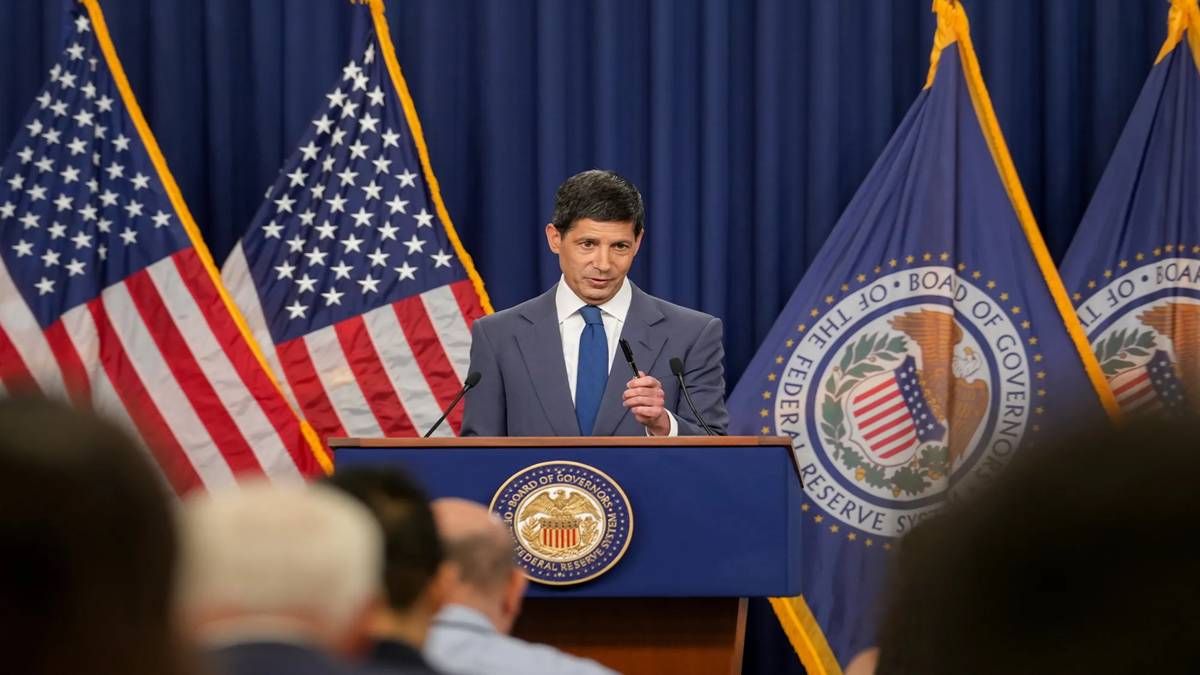
US employers added far fewer jobs in September than experts expected.
The unemployment rate rose a little, to 4.2%.
Earlier estimates also showed fewer new jobs in July and August than first reported.
Wages grew more slowly, which may ease some pressure on prices.
These signs could give the Federal Reserve a reason to wait before raising interest rates again.
But inflation is still above the Fed’s 2% goal, so another increase later is still possible.
Investors changed their expectations about what the Fed might do.
Reports said stock futures rose and oil fell below $100 a barrel.
Accounts differed on whether Treasury yields ended up higher or lower.

US employers added 29,000 nonfarm jobs in September, well below forecasts of about 90,000.
The unemployment rate rose to 4.2% from 4.1%; July and August payroll gains were revised down by 60,000 combined.
Annual wage growth slowed to 3.0% from 3.1%, while the average hourly workweek remained unchanged at 34.4 hours.
The weak report strengthened the case for the Federal Reserve to hold rates at its October 27–28 meeting, but inflation above its 2% target leaves later increases possible.
Markets generally priced in lower odds of an October hike, but reports differed on Treasury yields, and estimates of the hike probability varied.
- Who
- US employers, workers, financial markets, and the Federal Reserve.
- What
- September payrolls rose by 29,000, unemployment increased to 4.2%, and markets reassessed the outlook for interest rates.
- When
- The report covers September and was released ahead of the Federal Reserve’s October 27–28 meeting.
- Where
- United States.
- Why
- The figures showed weaker hiring and wage growth, while inflation remained a concern for policymakers.
Reasons to hold rates steady
Reasons further increases remain possible
Near-term rate decision
Reasons to hold rates steady
Weak hiring, slower wage growth, and downward payroll revisions strengthen the case for holding rates at the October meeting.
Reasons further increases remain possible
The Federal Reserve has said inflation remains a concern, and some market and analyst outlooks still anticipate a later rate increase.
Reading the labor market
Reasons to hold rates steady
The September job gain was far below forecasts, unemployment rose, and fewer industries reported job growth.
Reasons further increases remain possible
The report also showed no clear broad rise in layoffs, and the articles described the labor market as low-hire, low-fire rather than in a sudden collapse.
Market expectations
Reasons to hold rates steady
Reports said traders reduced expectations for an October hike; one article put the probability near 18%, while another described an initial fall to 13%.
Reasons further increases remain possible
Another report said the probability rose to around 23% after first falling, and a separate account put it near 18%; the reports therefore differed on the precise odds and their movement.
- September payroll increase
- 29,000 nonfarm jobs
- Market forecast
- About 90,000 jobs
- Unemployment rate
- 4.2%, up from 4.1% in August
- Payroll revisions
- July and August gains revised down by a combined 60,000
- August payroll estimate
- Revised to 133,000 from 162,000
- Annual wage growth
- 3.0%, down from 3.1% in August
- Federal Reserve inflation target
- 2%; reports said inflation remained above target
- Market response
- Stock futures rose and Brent crude fell below $100 a barrel; reports differed on Treasury yields and October rate-hike odds
Sources

US Jobs Growth Slows Sharply In September As Unemployment Rate Rises To 4.2%
US jobs growth falls sharply to 29,000 in September; rate-hike bets tumble, futures surge
Weak jobs, sticky inflation: Fed faces fresh dilemma over next US rate hike