Archive · 25 Dec 2025
China's One-Child Policy Architect Dies Amid Criticism
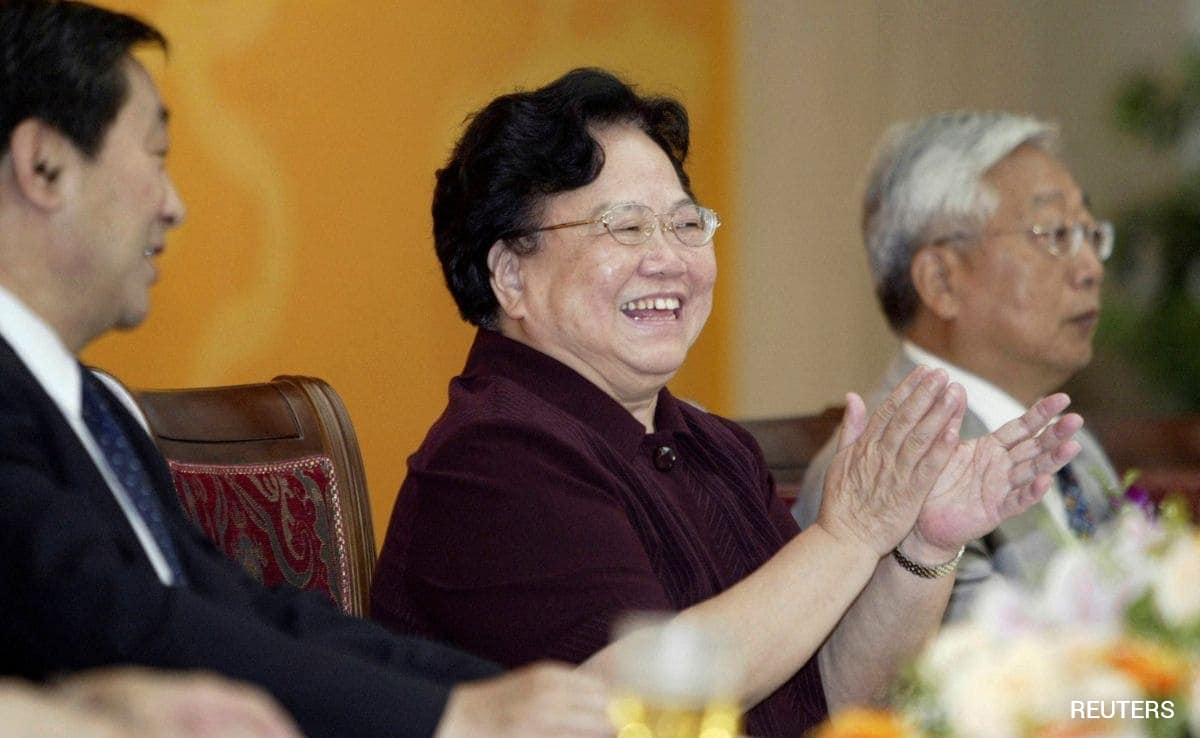
Peng Peiyun, who was in charge of China's one-child policy from 1988 to 1998, recently passed away.
Instead of people praising her, many on social media are criticizing the one-child policy.
This policy, which was in place from 1980 to 2015, forced many women to have abortions or sterilizations.
People are upset because China's population is now decreasing, and many children who could have been born were not.
The policy also led to a preference for boys, resulting in many girls being unwanted or aborted.
Now, China is trying to increase the birth rate with subsidies and benefits, but experts worry about the economic impact of a shrinking workforce and an aging population.

Peng Peiyun, former head of China's Family Planning Commission, died in Beijing.
State media praised her, but social media users criticized the one-child policy.
The policy, in place from 1980 to 2015, led to forced abortions and sterilizations.
China's population has been declining, falling to 1.39 billion in 2024.
China is now implementing measures to boost the birth rate, such as childcare subsidies and tax benefits.
- Who
- Peng Peiyun, former head of China's Family Planning Commission
- What
- Death of Peng Peiyun and criticism of China's one-child policy
- When
- Died on Sunday, just shy of her 96th birthday
- Where
- Beijing, China
- Why
- Criticism due to the policy's impact on population decline and social issues
- Name
- Peng Peiyun
- Role
- Head of China's Family Planning Commission (1988-1998)
- Policy Duration
- 1980-2015
- Current Population
- 1.39 billion (2024)
- Population Trend
- Declining for the third year in a row
- Policy Shift
- Eased in the 2010s
- Current Measures
- Childcare subsidies, longer maternity leave, tax benefits