2 days ago
Manipur’s Displaced Need Dignity and a Way Back

Many people in Manipur were forced to leave their homes because of violence.
They are living in relief camps or temporary places.
The government says their number has fallen from nearly 60,000 to 28,899.
However, many people have remained displaced for more than three years.
The Supreme Court was shocked by reports of deaths in some camps.
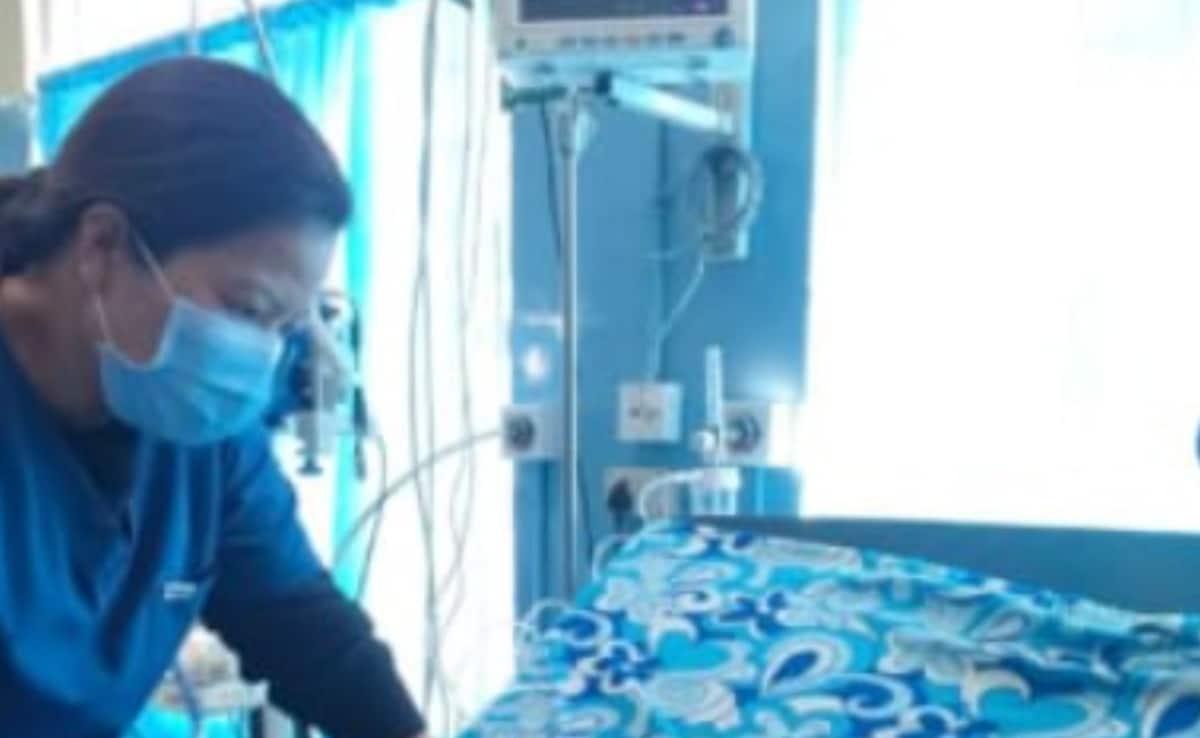
People from the hills may not be able to travel to major hospitals in Imphal.
Hospitals in the hills often lack specialists and important equipment.
Blockades can also stop medicines and patients from moving.
The article says the government must help displaced people return safely and live with dignity.

The Manipur government told the state Assembly that 28,899 internally displaced people remained in relief camps and temporary locations.
The figure is down from nearly 60,000 at the peak of the violence.
The Supreme Court expressed shock over reports of deaths, including unnatural deaths, in relief camps.
Ethnic segregation has restricted Kuki-Zo residents from the hills from reaching major hospitals in Imphal.
Healthcare shortages, blockades and nutritionally deficient food have increased the vulnerabilities of displaced people.
- Who
- Internally displaced people in Manipur, particularly Kuki-Zo people from the hills, along with the Manipur government and the Supreme Court.
- What
- People displaced by violence remain in relief camps and temporary locations, where reports describe deaths, healthcare shortages and inadequate nutrition.
- Where
- Relief camps and temporary locations across Manipur, with major hospitals concentrated in Imphal and some patients traveling to Aizawl.
- When
- The displacement crisis has continued for over three years; the government provided its latest figure earlier this month.
- Why
- Ethnic violence and segregation left many people unable to return home or safely access healthcare and other necessities.
Government account
Concerns over camp conditions
Number of displaced people
Government account
The Manipur government reported that the number of people in relief camps and temporary locations had fallen to 28,899 from nearly 60,000.
Concerns over camp conditions
The reduction in numbers does not resolve the situation for those who remain displaced, many of whom have been in crisis for over three years.
Relief camp conditions
Government account
The government’s reported decline in the camp population indicates that some displaced people have left the camps or temporary locations.
Concerns over camp conditions
Reports of deaths, including unnatural deaths, and nutritionally deficient food have prompted concern about the safety and dignity of those still living there.
Healthcare access
Government account
Major government hospitals are available in Imphal, including the Jawaharlal Nehru Institute of Medical Sciences and the Regional Institute of Medical Sciences.
Concerns over camp conditions
Ethnic segregation, blockades and shortages in hill facilities prevent or complicate access to these hospitals, medicines and medical personnel.
Key facts
- Current displaced population
- 28,899 people, according to the Manipur government
- Peak displaced population
- Nearly 60,000 people
- Duration of crisis
- Over three years
- Major hospitals
- Jawaharlal Nehru Institute of Medical Sciences and Regional Institute of Medical Sciences, both in Imphal
- Alternative healthcare destination
- Aizawl, more than 12 hours by road from some parts of Manipur
- Reported camp concerns
- Deaths, including unnatural deaths, healthcare difficulties and nutritionally deficient food
Sources
Related news
Manipur Assembly Reports 306 Deaths Amid Prolonged Ethnic Conflict
Manipur violence leaves 306 dead, 49 missing since 2023

Manipur Violence Deepens as Reprisal Cycle Spreads Across Communities

Supreme Court Seeks Report on Manipur Camp Deaths

Manipur Ethnic Violence Leaves 306 Dead, 49 Missing
Manipur Clashes Injure CRPF Officer, Burn Two Homes

Manipur Chief Minister Urges End to Bribery in Regularisation
Manipur Healthcare Expansion: RIMS Set for AIIMS Status