Archive · 5 Nov 2025
Pakistan's 'Bleeding Wounds': Economy, Instability, Security, and Jihadi Culture

Imagine a country facing many big problems all at once.
Pakistan has a struggling economy where prices are high and there aren't enough jobs.
The government keeps changing, and there's a lot of corruption.
A big issue is also related to a history of supporting certain fighting groups, sometimes called 'jihadis,' who were used in other countries like Afghanistan.
This started many years ago, and some of these groups became too powerful and even started causing trouble inside Pakistan.
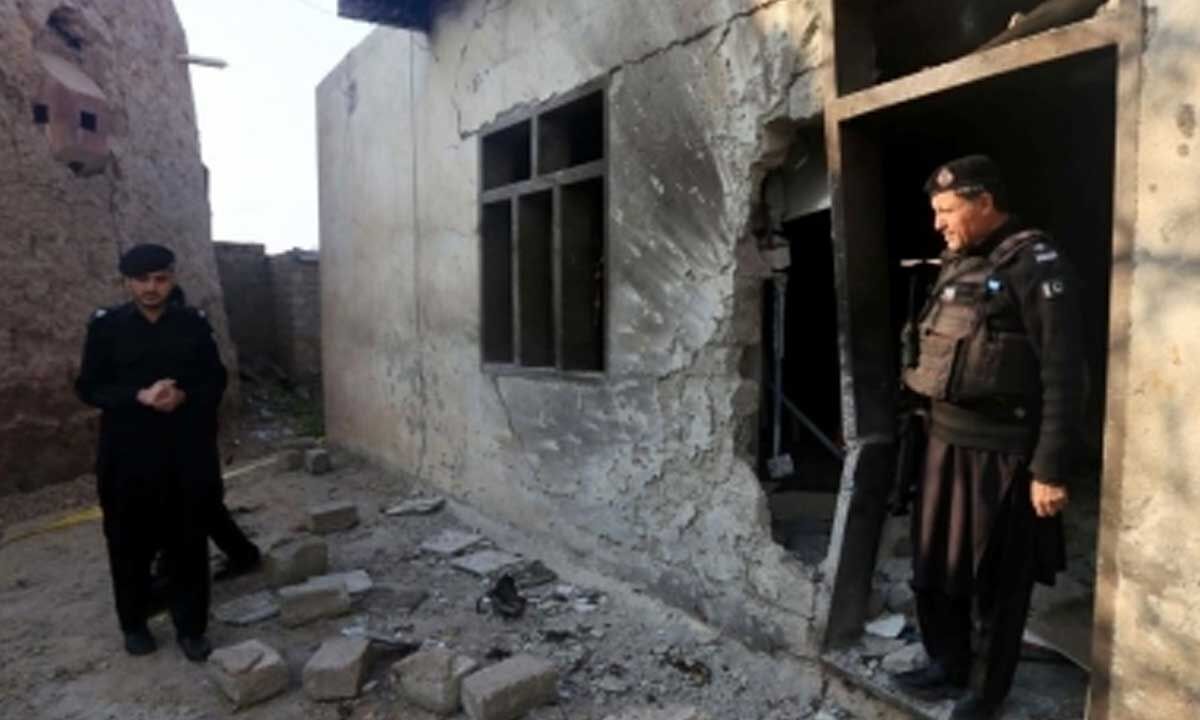
This 'jihadi culture' has led to a lot of violence and sadly, many people have lost their lives.
This involvement in conflicts also made the country deal with more drugs and weapons.
To make things worse, Pakistan has too many people and not enough resources, with many young people struggling to find work.
This makes poverty worse, and some people are forced to seek dangerous jobs abroad.
The country also has to borrow a lot of money and follow strict rules from money organizations, which makes it hard to make its own decisions.
It's like the country has many deep wounds that are hard to heal.

Pakistan faces interconnected crises including a sick economy, political instability, security issues, and widespread corruption.
The creation of a 'Jihadi culture' by Pakistan's security establishment, used strategically in Afghanistan and Kashmir, led to the rise of militant organizations.
Historical involvement in the Afghan Jihad (1982-1985) resulted in the presence of foreign fighters in Pakistan and increased drug production and religious militancy.
The country has suffered significant losses in lives and resources since joining the anti-terrorism war in 2001.
Economic challenges include foreign exchange shortages, food insecurity, stagnant exports, rising imports, high non-developmental expenditures, and reliance on loans.
High poverty rates (45%) and a large number of unskilled, unemployed youth exacerbate the crisis, leading some to seek dangerous employment abroad.
- Who
- Pakistan and its successive governments, security establishment, citizens, foreign mujahideen, international financial institutions
- What
- A comprehensive crisis encompassing a sick economy, political instability, a deteriorating security situation, pervasive corruption, and the creation of a 'Jihadi culture' with militant organizations.
- When
- Ongoing, with historical references to the Afghan Jihad (1982-1985), the aftermath of the December 2002 Indian Parliament attack, Pakistan's involvement in the anti-terrorism war post-2001, and current economic indicators.
- Where
- Pakistan, with historical context of Afghanistan and Jammu & Kashmir.
- Why
- Attributed to the creation and patronage of Jihadi culture by the security establishment, involvement in the Afghan Jihad, subsequent return of foreign fighters, economic mismanagement, political instability, unchecked population growth, and an unsustainable defense budget.
Creation of Jihadi Culture as a Root Cause
Broader Set of Interconnected Issues
Origin of Problems
Creation of Jihadi Culture as a Root Cause
Pakistan's security establishment's creation and patronage of Jihadi organizations for strategic use in Afghanistan and Kashmir led to the generation of militant groups, including the TTP, which turned against Pakistan. This involvement in the Afghan Jihad from 1982-1985 also made Pakistan self-sufficient in drug production, drug addicts, and religious militancy, with no prior security issues.
Broader Set of Interconnected Issues
Pakistan faces four interconnected 'bleeding wounds': a sick economy, political instability, a deteriorating security situation, and pervasive corruption. The article also links these issues to unchecked population growth, unplanned urban expansion, and a large number of unskilled, unemployed youth seeking work abroad.
Consequences of Involvement
Creation of Jihadi Culture as a Root Cause
The involvement in Jihad resulted in the presence of foreign mujahideen in Pakistan after the Soviet withdrawal, many of whom settled and married local women. This also led to Pakistan joining the anti-terrorism war in 2001, incurring significant loss of life.
Broader Set of Interconnected Issues
Pakistan's economic woes include shortages of foreign exchange, food insecurity, stagnant exports, rising imports, a balance of payments crisis, high non-developmental expenditures, wasteful resource use, uneven landholdings, a large defense budget, reliance on loans, and exploitative taxation. The article also highlights the humiliation of conditions imposed by International Financial Institutions.
Political Landscape
Creation of Jihadi Culture as a Root Cause
The creation of Jihadi culture has directly impacted the security situation, with militant groups turning against the state and the country losing many lives in anti-terrorism efforts.
Broader Set of Interconnected Issues
Political instability has been a constant issue, with a lack of free and fair elections and the imposition of martial law, as exemplified by the secession of East Pakistan after the 1970 elections. This instability hinders the free exercise of fundamental rights.
- Reported Issues
- Economy, political instability, security, corruption, Jihadi culture
- Period of Afghan Jihad Recruitment
- 1982-1985
- Mujahideen Recruited for Afghan Jihad
- Over 85,000
- Consequences of Jihad Project (1985)
- 1.5 million heroin addicts, Kalashnikov rifles, religious militancy
- Losses in Anti-Terrorism War (post-2001)
- Over 80,000 lives (security personnel and citizens)
- Poverty Ratio
- 45 percent
- Foreign Exchange Reserves
- ~14-15 billion dollars
- Elite Privileges Expenditure
- Over $17.5 billion