

Archive · 21 Jul 2026
Glacial Lake Expansion Raises GLOF Concerns in Himalayas
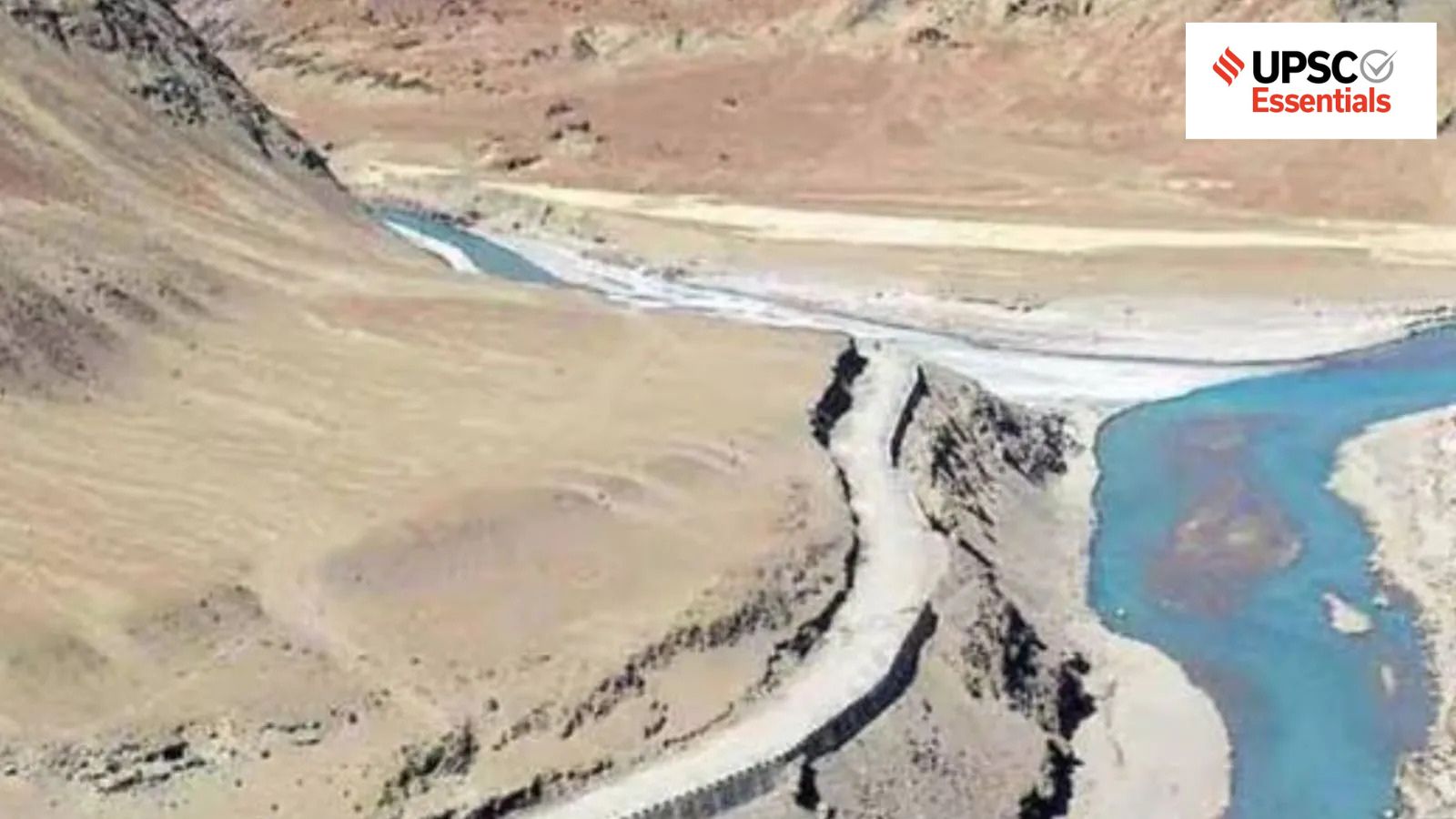
Glacial lakes in the Himalayas are growing bigger because of climate change, which is causing glaciers to melt faster.
These expanding lakes can burst suddenly, causing very dangerous floods called Glacial Lake Outburst Floods (GLOFs).
India has seen some big GLOFs recently, like in Kedarnath in 2013 and Sikkim in 2023, which caused a lot of damage and loss of life.
Scientists and the government are working to understand and reduce the risk of GLOFs by monitoring these lakes and setting up early warning systems.
They are also trying to make infrastructure more resilient to these floods.
However, there are still challenges, like the lack of detailed data and the need for better international cooperation to manage this risk effectively.

Glacial lakes in the Himalayas are expanding due to climate change and increased meltwater.
GLOFs are catastrophic floods caused by the sudden release of water from glacial lakes.
India has experienced major GLOF events in Kedarnath (2013) and Sikkim (2023).
The Brahmaputra basin has the highest number of glacial lakes, followed by the Indus and Ganga basins.
The National Glacial Lake Outburst Flood Risk Mitigation Project (NGRMP) aims to reduce GLOF risks in the Himalayan states.
- Who
- Scientists, government agencies, and local communities in the Himalayan region
- What
- Expansion of glacial lakes and the increasing risk of Glacial Lake Outburst Floods (GLOFs)
- When
- Ongoing, with significant events in 2013 and 2023
- Where
- Himalayan region, particularly in Arunachal Pradesh, Sikkim, Himachal Pradesh, and Uttarakhand
- Why
- Due to climate change, glacier retreat, and increased meltwater leading to the expansion of glacial lakes and heightened GLOF risks
Climate Change Impact
Human Preparedness
Causes of Glacial Lake Expansion
Climate Change Impact
Climate change and rising global temperatures are accelerating glacier retreat and increasing meltwater, leading to the expansion of glacial lakes.
Human Preparedness
Human activities and infrastructure development in the Himalayan region are contributing to the vulnerability of glacial lakes and the risk of GLOFs.
Risk Mitigation Strategies
Climate Change Impact
Natural factors such as snow avalanches, rockfalls, and seismic events are primary triggers for GLOFs, necessitating a focus on natural disaster management.
Human Preparedness
Human intervention through early warning systems, infrastructure planning, and international cooperation is crucial for mitigating GLOF risks and protecting downstream communities.
- Glacial Lakes in India
- 28,043 lakes with a water spread area of greater than or equal to 0.25 ha
- Highest Number of Glacial Lakes
- Brahmaputra basin (64.19%)
- States with Most Glacial Lakes
- Arunachal Pradesh (28.90%), Sikkim (9.68%), Himachal Pradesh (7.09%), Uttarakhand (4.58%)
- Major GLOF Events in India
- Kedarnath (2013), Sikkim (2023)
- National Glacial Lake Outburst Flood Risk Mitigation Project (NGRMP)
- Launched in 2025 with a budget of Rs. 150 crore