

Archive · 27 Oct 2025
Microneedling Risks: Potential Dangers of Untrained Practitioners
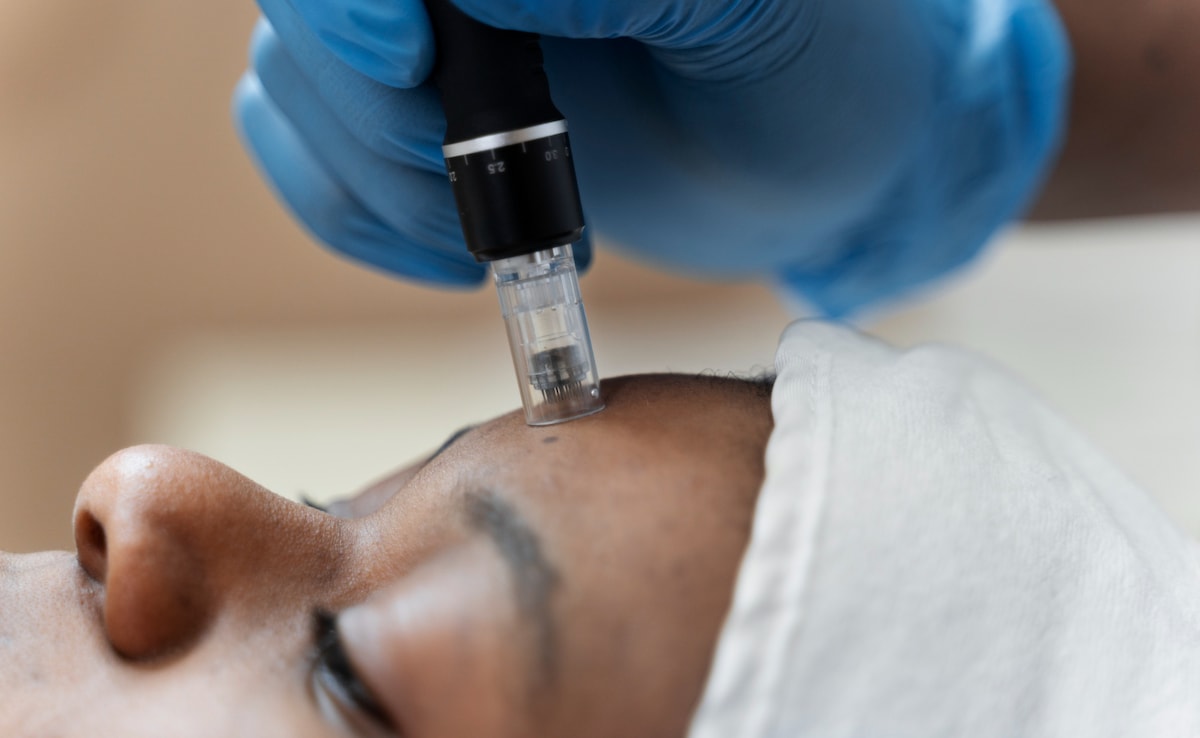
Microneedling is like poking tiny holes in your skin to make it look better.
It's becoming popular in places like India, but it can be risky.
If done by someone who isn't properly trained, it can lead to problems like scars or even burns.
The FDA has warned about these risks.
The deeper the needles go, the bigger the risk, and it's best to have these procedures done by trained doctors who understand skin.
Always check the person's training before you get microneedling.
Think of it like a doctor versus a beautician: one knows how your skin works, the other is more focused on making it look good.

Microneedling aims to stimulate collagen production for skin improvement, growing rapidly in popularity.
Procedures done by untrained individuals in salons carry significant risks, including scarring and infection.
The FDA has issued a safety advisory on radiofrequency microneedling, highlighting potential complications.
Dermatologists use clinical devices with adjustable needles, unlike salon devices, impacting treatment effectiveness and safety.
Expert tips include verifying practitioner credentials, and inquiring about sterilization protocols to prevent permanent scars.
- Who
- Consumers undergoing microneedling and medical professionals
- What
- Risks associated with microneedling, especially when performed by untrained individuals, including potential for scarring, burns, and nerve damage.
- When
- Recently, with growing popularity of procedures
- Where
- Beauty salons, spas, dermatology clinics
- Why
- To improve skin appearance through collagen stimulation, and highlight the risks when done by untrained professionals
- Procedure
- Microneedling (radiofrequency)
- Purpose
- Stimulate collagen production for skin improvement
- Risks
- Burns, scarring, nerve damage, infection
- Practitioner Training
- Critical for procedure safety
- Needle Depth
- Affects scarring; varies by device and practitioner
- FDA Advisory
- Issued regarding radiofrequency microneedling risks