

Archive · 14 Aug 2025
Delhi's Pink Passes: Do Women Truly Belong on Buses?
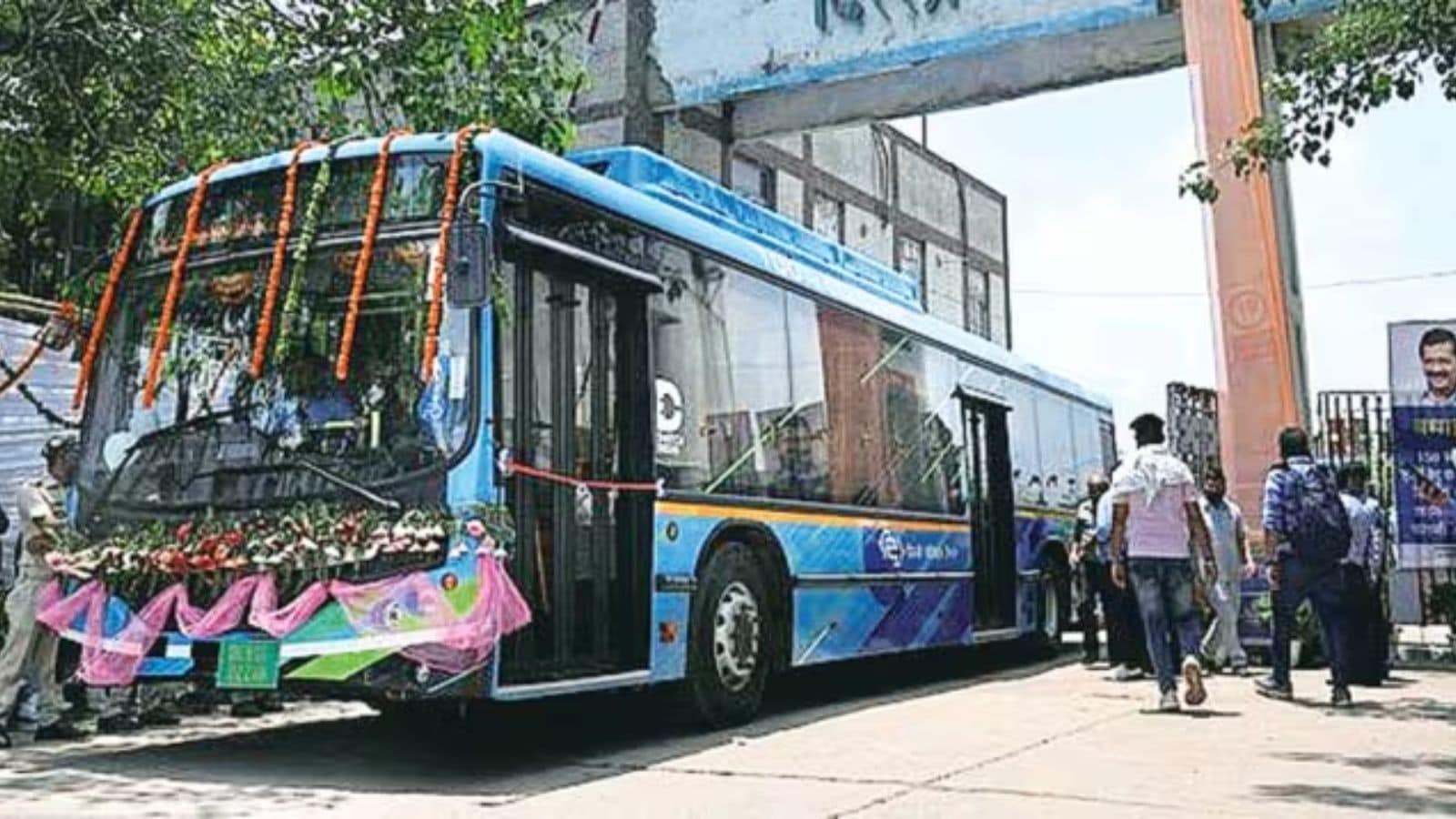
Delhi used to give out free bus tickets for women, but now you need a special card to prove you live there.
This makes it harder for some women, like those who don't have official papers, to travel freely.
The author feels this change is unfair because it takes away a way for women to feel safe and included in the city.
It's especially hard for those who rely on buses to get around and don't have much money.
The new rule means they might not be able to go where they need to go as easily, or feel like they belong in the city.

Delhi replaced pink tickets for free bus travel with Aadhaar-linked pink passes.
The new passes restrict free travel to Delhi residents, requiring proof of residency.
The policy change may exclude migrant women, students, and those lacking formal residency.
The author views the change as a barrier to public mobility and a regression in women's rights.
Concerns are raised about the impact on those without documentation, like slum dwellers.
- Who
- The policy impacts women, particularly migrants, students, and those without residency proofs.
- What
- Delhi implemented new Aadhaar-linked passes, restricting free bus travel to Delhi residents.
- When
- The policy change is recent.
- Where
- Delhi, India.
- Why
- The policy change restricts access to free bus travel based on residency, potentially excluding many.
Supporters of Universal Access
Proponents of Residency-Based Restrictions
Inclusivity vs. Exclusion
Supporters of Universal Access
Free bus travel is a right that promotes inclusion and mobility for all, particularly women.
Proponents of Residency-Based Restrictions
The new policy restricts mobility, especially for vulnerable groups and may limit access.
- Policy Change
- Transition from pink tickets to Aadhaar-linked pink passes
- Eligibility
- Requires proof of residency in Delhi
- Affected Groups
- Migrant women, students, informal workers, those without formal residency
- Original Program
- DTC free bus travel scheme for women
- Concerns Raised
- Exclusion of vulnerable populations and the right to public mobility