

Archive · 12 Nov 2025
More US Adults Dying Before Medicare Age, Study Finds
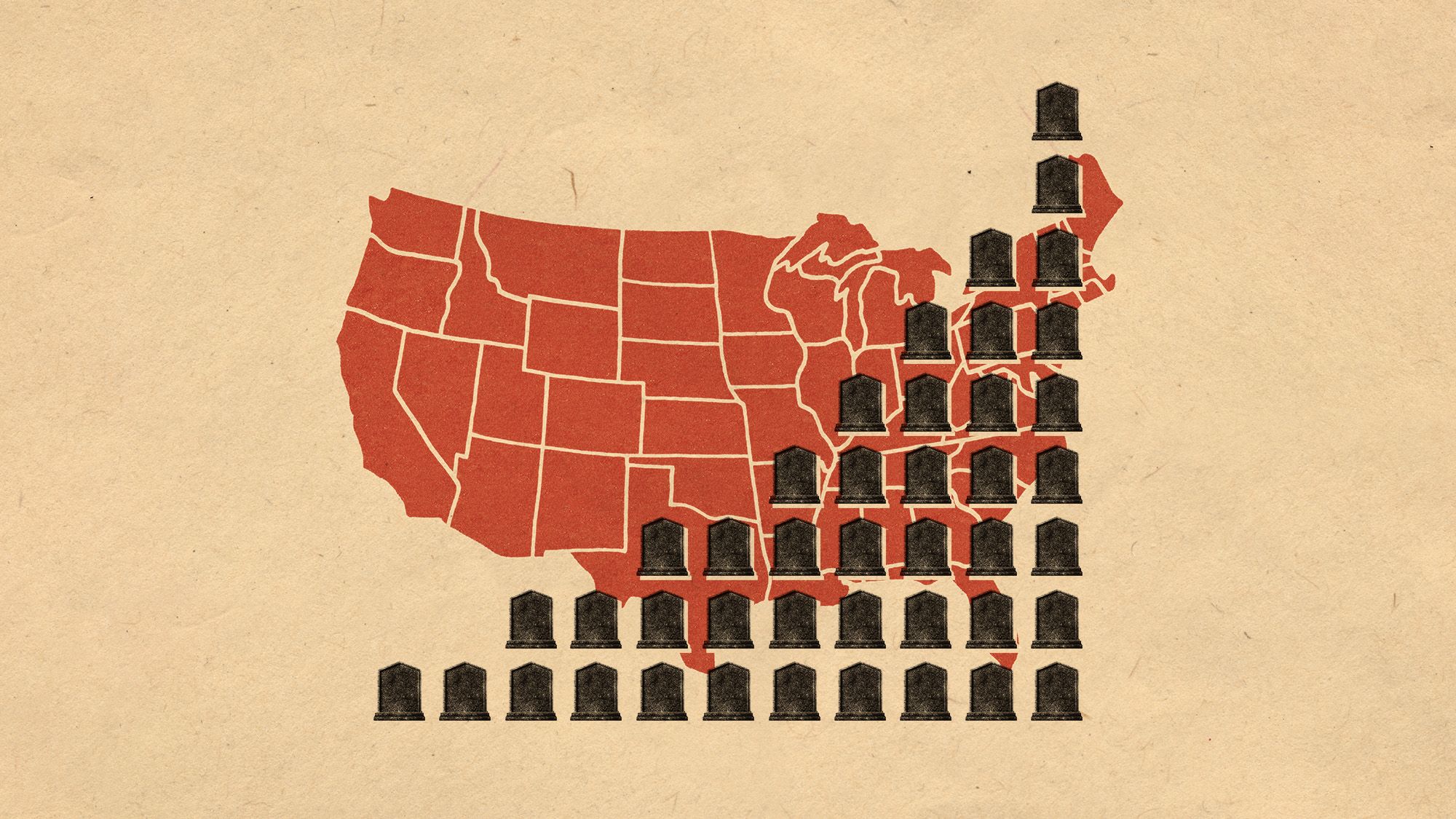
Imagine health insurance like a special club that people can join when they turn 65, called Medicare.
But, a new study found that more and more grown-ups in America, especially Black adults, are getting very sick and passing away before they even turn 65.
This means they paid money into the system for years, like saving for that club, but never got to use its benefits.
Some states are much worse than others, with more people dying too soon.
Doctors and researchers say this is because not everyone has a good chance to see a doctor when they need to, especially if they don't have good health insurance before they turn 65.
Things like not having clean air to breathe, being stressed out a lot, or not having enough money for safe homes can also make people sicker and shorten their lives.
It's like the game is rigged for some people, and they can't even get to the finish line to get the help they paid for.

Premature mortality in U.S. adults aged 18-64 increased by 27.2% between 2012 and 2022.
The increase in premature deaths was 10% higher in Black adults compared to white adults.
States like West Virginia, New Mexico, and Mississippi have the highest premature mortality rates.
Many adults die before becoming eligible for Medicare at age 65, despite contributing to the system.
Healthcare access disparities and societal factors like pollution and stress are contributing to rising premature death rates.
- Who
- Adults aged 18-64 in the U.S., with a notable disparity affecting Black adults.
- What
- A significant increase in premature mortality, meaning adults are dying before reaching the age of 65, when they become eligible for Medicare.
- When
- Between 2012 and 2022, with a study published in JAMA Health Forum highlighting these trends.
- Where
- Across the U.S., with higher rates in states like West Virginia, New Mexico, and Mississippi, and lower rates in states like Massachusetts and Minnesota.
- Why
- Contributing factors include structural inequities in healthcare access, lack of insurance, delayed treatment, and societal factors like pollution and chronic stress.
Focus on Systemic Issues
Focus on Individual & Societal Factors
Inequity in Healthcare Access and Medicare Eligibility
Focus on Systemic Issues
The Medicare system has structural inequities, leading marginalized communities, particularly Black adults, to die before they can benefit from the system they paid into.
Focus on Individual & Societal Factors
While inequities exist, societal factors like polluted air, chronic stress, and lack of sustained investment in housing, education, and income security also contribute significantly to premature mortality.
Causes of Premature Mortality
Focus on Systemic Issues
Premature mortality is driven by the lack of timely and equitable access to affordable healthcare coverage before age 65, disproportionately affecting those without employer-sponsored insurance.
Focus on Individual & Societal Factors
Genetics and individual behaviors play a role, alongside societal factors such as environmental pollution and chronic stress, with investments in housing, education, and income security being crucial for long-term health.
- Increase in Premature Mortality (18-64)
- 27.2% between 2012 and 2022
- Racial Disparity in Premature Mortality
- 10% higher in Black adults compared to white adults
- States with Highest Premature Mortality Rates
- West Virginia, New Mexico, Mississippi
- States with Lowest Premature Mortality Rates
- Massachusetts, Minnesota
- Medicare Eligibility Age
- 65