

Archive · 4 Nov 2025
EVs Losing Value Rapidly Due to Battery Uncertainty, Banker Explains
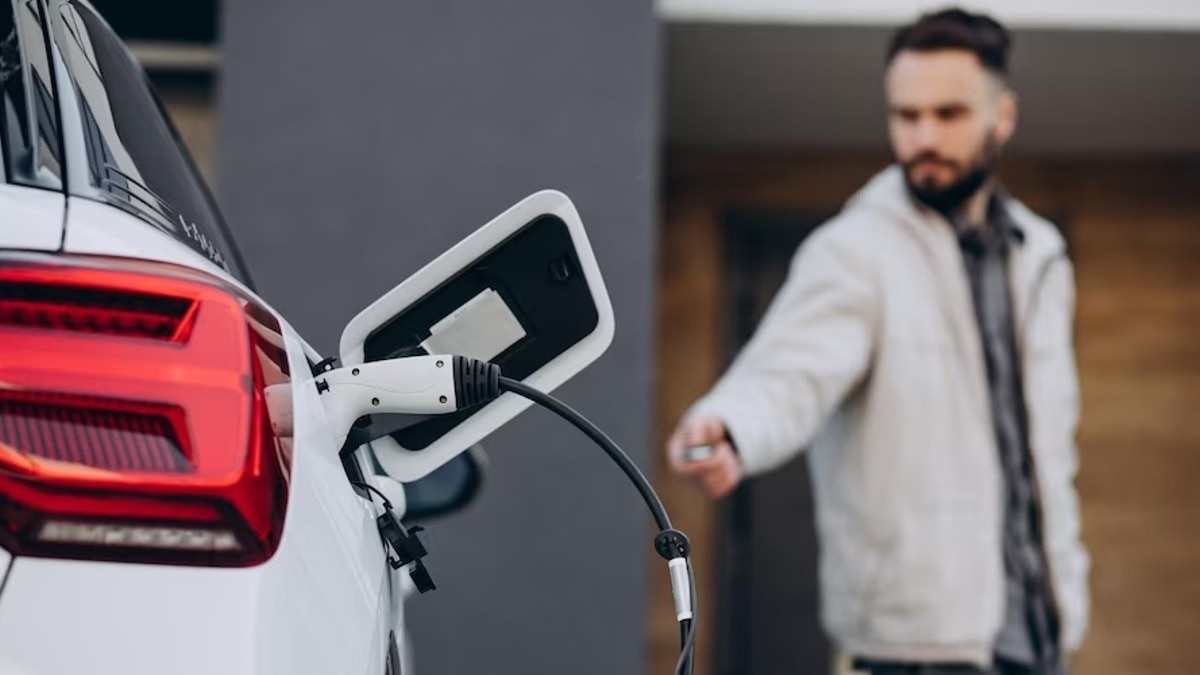
Imagine you have a toy car that runs on batteries.
New electric cars are like that, but very expensive.
When people want to buy a used electric car, they worry about how good the batteries still are.
Batteries are a big part of the car's cost, and it's hard to know exactly how healthy they are because each car company uses different ways to check them.
This makes people nervous, so they don't want to pay as much for a used electric car.
Because of this worry, used electric cars lose value much faster than regular cars that use gasoline.
It's similar to when people were unsure about buying older phones because their batteries didn't last long.
To help with this, it's good to check the car's battery warranty, see if batteries can be rented, and get a special certificate that shows how healthy the battery is.

Used electric vehicles (EVs) are depreciating at approximately 42% within two years, twice the rate of traditional fuel cars.
The primary reason for this rapid depreciation is uncertainty surrounding EV battery health and the lack of standardized diagnostic tools.
EV batteries constitute 30-40% of a vehicle's total cost, making their condition a significant factor in resale value.
Experts recommend checking battery warranty, exploring battery rental options (Battery as a Service), and obtaining a battery health certificate before buying a used EV.
Rapid advancements in EV technology also contribute to older models becoming obsolete more quickly, impacting resale values.
- Who
- Investment banker Sarthak Ahuja
- What
- Explaining the rapid depreciation of used electric vehicles (EVs)
- When
- Within two years of purchase
- Where
- The used car market
- Why
- Uncertainty about battery health and the lack of standardized diagnostics
- Depreciation Rate (2 Years)
- EVs: ~42%, Traditional Cars: ~20%
- Battery Cost Share
- 30-40% of EV cost
- Recommended Battery Degradation
- Less than 2% per year
- Battery Warranty Examples
- BYD: 8 years, Tata: up to 15 years (first owners)