Archive · 28 Nov 2025
Iran's Strategic Recalibration After Israel Conflict
Iran recently had a conflict with Israel where they launched missiles and drones.
Most of these were intercepted by Israel with help from the US.
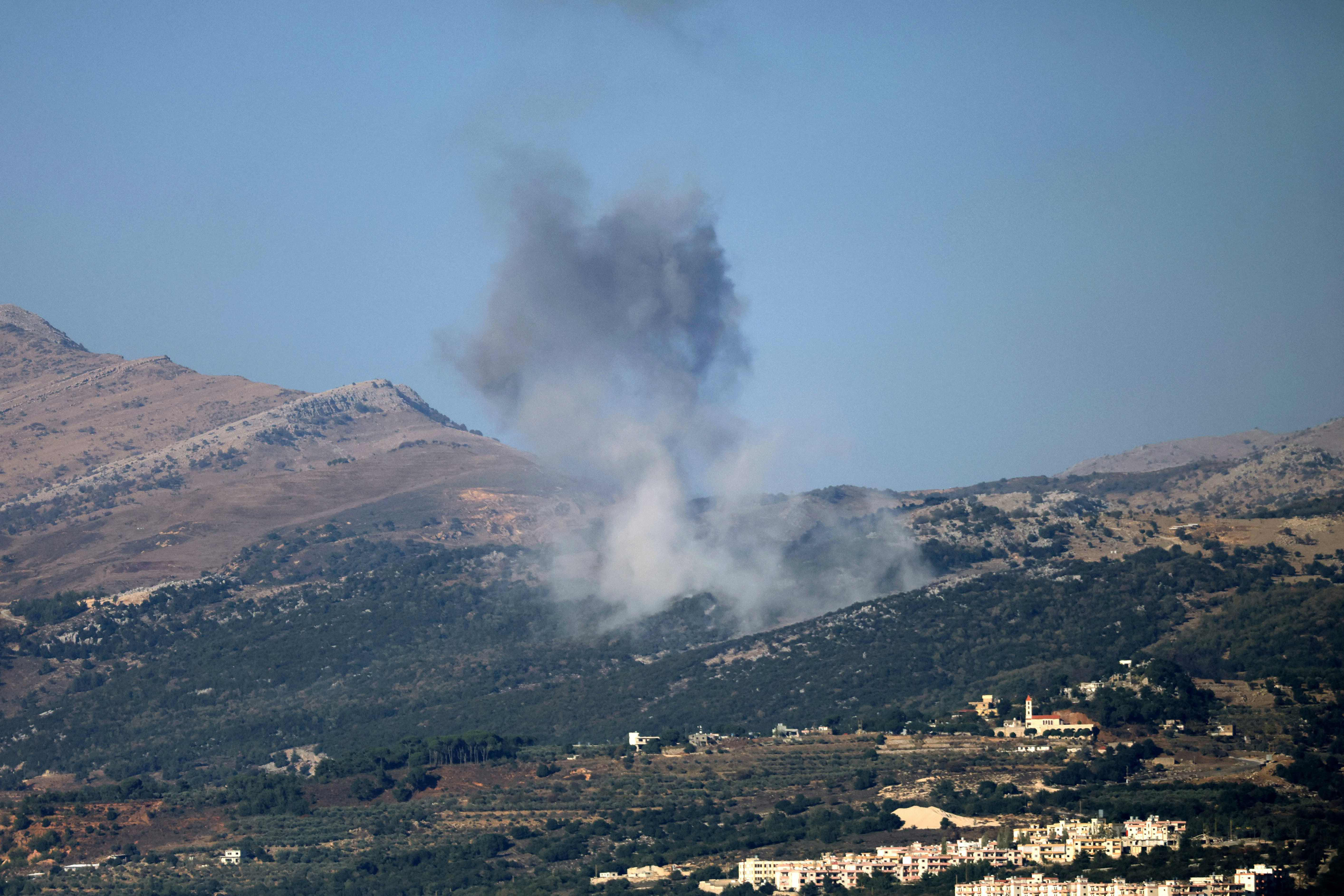
Iran uses groups like Hezbollah and the Houthis to fight without directly confronting Israel.
They also have a nuclear program that is getting closer to making weapons.
Iran is trying to stay strong in the Middle East and is working with countries like Russia.
They are also dealing with problems inside their country, like young people wanting change.
Iran is likely to keep using these groups and other ways to pressure Israel and other countries, but they don't want a big war.
They are also trying to improve their port in Chabahar with help from India.
Iran is in a tough situation but is trying to stay powerful and stable.

Iran launched missiles and drones at Israel in retaliation for Israeli strikes, but most were intercepted.
Iran relies on proxies like Hezbollah and the Houthis to exert influence without direct confrontation.
Iran's nuclear program has advanced, with uranium enriched to 60%, close to weapons-grade, despite setbacks from US strikes.
Chabahar port is a strategic asset for Iran, with India operating a terminal under a 10-year agreement.
Iran faces internal pressures from sanctions and a restless youth population demanding change.
- Who
- Iran and its proxies, Israel, the US, and regional actors.
- What
- Iran's strategic recalibration following a conflict with Israel, focusing on proxies, nuclear advancements, and regional influence.
- When
- The conflict occurred earlier in 2025, with ongoing developments.
- Where
- Middle East, with implications for Afghanistan, Pakistan, and Central Asia.
- Why
- To maintain regional dominance, counter US-Israel influence, and address internal and external pressures.
- Iran's Missile and Drone Attack
- Launched in retaliation for Israeli strikes on Iranian military assets and commanders.
- IRGC's Role
- Central to Iran's strategy, influencing proxies like Hezbollah, Shia militias in Iraq, and the Houthis in Yemen.
- Nuclear Program Status
- Iran possesses uranium enriched up to 60%, close to weapons-grade, with setbacks from US strikes.
- Chabahar Port
- India's 10-year agreement to operate the Shahid Beheshti terminal, with US sanctions waiver.
- Regional Influence
- Iran seeks to maintain dominance in the Middle East through proxies and nuclear ambiguity.
- Internal Pressures
- Sanctions and a restless Generation Z challenge the regime's stability.
- Recent Conflicts
- Hezbollah provocations on Israel's northern border and Houthi attacks in the Red Sea.
- US-Israel Response
- Relying on intelligence and Israel's capacity to strike or sabotage Iran's nuclear facilities.