

Archive · 23 Jun 2025
Trump Tariffs Jolt the Global Fashion Industry
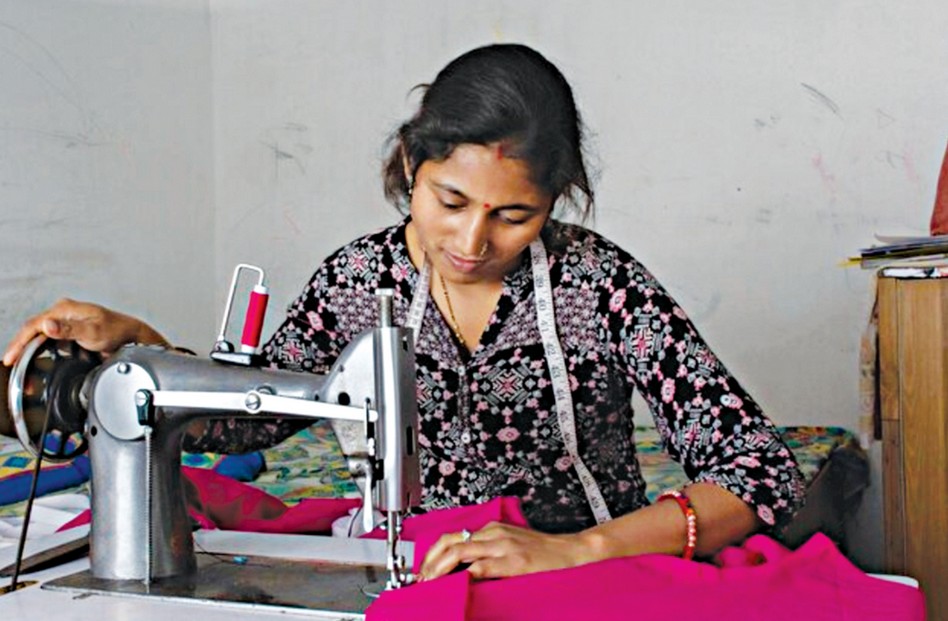
The U.S. government has put big taxes (tariffs) on clothes coming from other countries.
This is making clothes more expensive and changing where they are made.
Because of these taxes, clothing companies have to decide if they should charge more for their clothes or make less money.
This affects everyone from the people who make the clothes to the people who buy them.
Some companies are trying to find ways to make clothes without importing as much, like using robots, while others are moving their factories to different countries.
This could mean fewer choices and higher prices for clothes in the future, and hurt the economies of countries that make a lot of clothes.

U.S. tariffs on clothing imports from China, Vietnam, Cambodia, Bangladesh, and India are disrupting the global fashion industry.
The Indian textile industry is facing potential downturns due to decreased orders and hesitant buyers.
Fashion brands are reassessing sourcing options, retail pricing, and production strategies in response to rising costs.
Smaller manufacturers and exporters are laying off workers due to dwindling margins.
The tariffs could lead to more expensive and homogenized fashion with fewer consumer options.
- Who
- The Trump administration imposed the tariffs, affecting fashion brands, textile industries, consumers, and workers.
- What
- U.S. tariffs on clothing imports are affecting the fashion industry.
- When
- The tariffs are currently in effect.
- Where
- Primarily impacting the U.S., China, Vietnam, Cambodia, Bangladesh, India, and global fashion markets.
- Why
- To reshape sourcing strategies and potentially protect domestic jobs.
Protectionist Policies
Global Economic Cooperation
Economic Impact
Protectionist Policies
Tariffs protect American jobs and encourage domestic manufacturing.
Global Economic Cooperation
Tariffs endanger jobs globally, especially in textile-dependent economies like India.
Creative Freedom
Protectionist Policies
Tariffs can help level the playing field for domestic producers.
Global Economic Cooperation
Tariffs can restrict creative freedom by limiting access to diverse and cost-effective materials.
- Countries with Tariffs
- China, Vietnam, Cambodia, Bangladesh, India
- Tariff Rates (China)
- 54%
- Tariff Rates (Vietnam)
- 46%
- Tariff Rates (Cambodia)
- 49%
- Tariff Rates (Bangladesh)
- 37%
- Tariff Rates (India)
- 26%
- Indian Textile Exports
- 47% to US and EU