

Archive · 6 Aug 2025
ICJ Clarifies Kyoto Protocol's Ongoing Relevance Post-Paris Agreement
The Kyoto Protocol was made in 1997 to fight climate change by setting limits on how much pollution countries could make.
The Paris Agreement, a later deal, didn't replace the Kyoto Protocol.
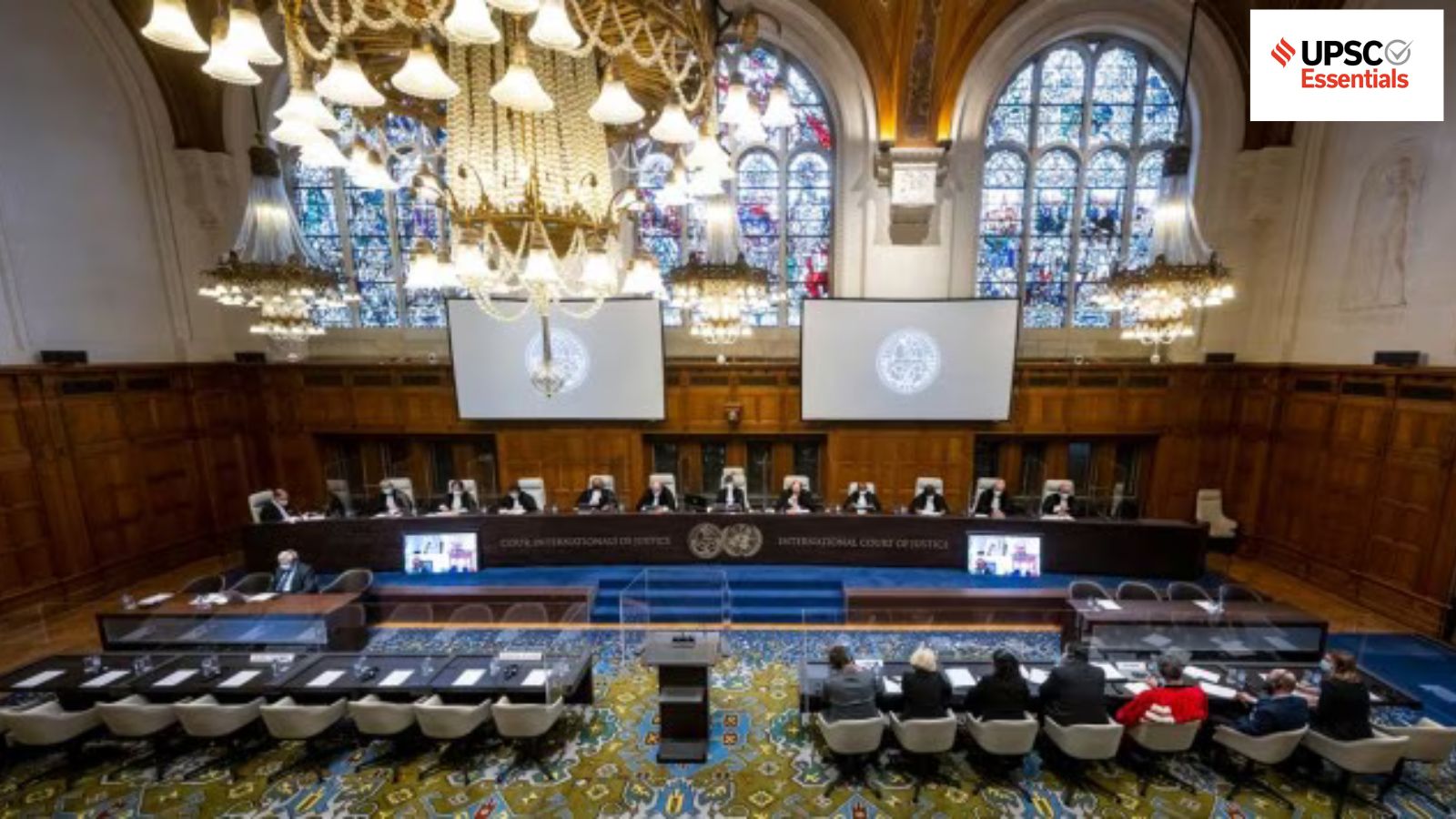
Recently, the highest court in the world, the ICJ, said the Kyoto Protocol is still important.
Countries that agreed to it still have to follow its rules.
This means countries have to keep their promises about reducing pollution or they could face legal trouble.

The ICJ clarified the Kyoto Protocol's status after the Paris Agreement.
The Kyoto Protocol is still legally relevant, and governments must comply.
The Kyoto Protocol's first commitment period was from 2008 to 2012, the second from 2012 to 2020.
The US did not ratify the Kyoto Protocol, and China had no emission reduction obligations.
The ICJ ruling stated failing to comply with the Kyoto Protocol is an internationally unlawful act.
- Who
- The ICJ and countries involved in the Kyoto Protocol and Paris Agreement.
- What
- The ICJ clarified the Kyoto Protocol's status after the Paris Agreement.
- When
- Recently
- Where
- International Court of Justice
- Why
- To determine the legal status and obligations related to the Kyoto Protocol post-Paris Agreement.
Initial Perception
ICJ Ruling
Protocol's Status
Initial Perception
The 2015 Paris Agreement replaced and superseded the Kyoto Protocol.
ICJ Ruling
The Kyoto Protocol is still in effect and is part of international law.
- ICJ Ruling
- Kyoto Protocol remains in force
- Kyoto Protocol's first commitment period
- 2008-2012
- Kyoto Protocol's second commitment period
- 2012-2020
- Countries with Obligations
- Annex-I countries
- US stance
- Did not ratify the Kyoto Protocol
- ICJ Finding
- Failure to comply is an internationally unlawful act.