

Archive · 9 Oct 2026
Keloids Often Go Unrecognised in Darker Skin
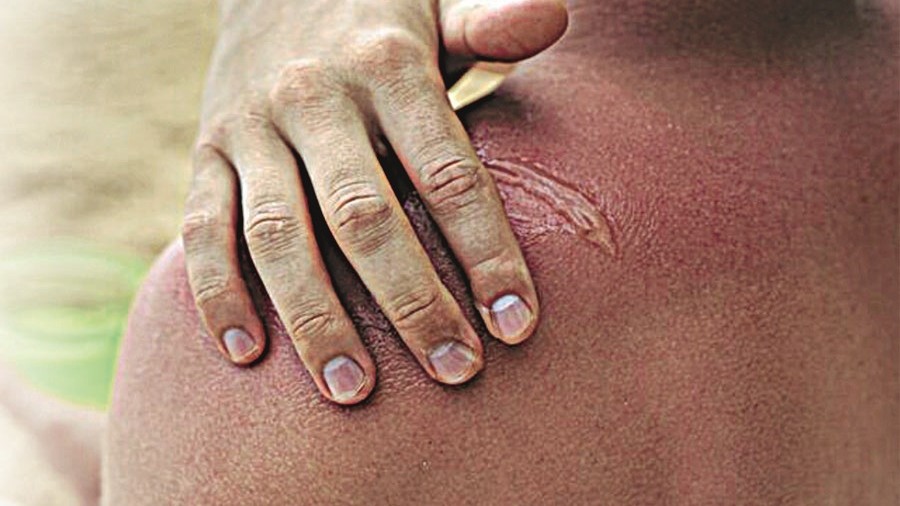
A keloid is a raised scar that can keep growing after a wound has healed.
It can happen after things like acne, a piercing, a cut or surgery.
Keloids are more common in people with darker skin.
Some doctors may mistake them for acne, cysts or regular scars.
This can mean people wait a long time before getting the right diagnosis.
Larger keloids can be more uncomfortable and harder to treat.
Treatments may include injections, lasers, freezing or pressure.
Experts say doctors need more training using examples of many different skin tones.

Keloids are raised scars that can grow beyond the original wound and cause pain or itching.
They may develop after acne, piercings, cuts, burns or surgery, and are more common in people with darker skin.
Experts say keloids can be mistaken for acne, cysts or ordinary scars, delaying diagnosis and treatment.
Delayed care can allow keloids to grow larger and become more uncomfortable and difficult to manage.
Dermatologists recommend more inclusive medical training and note treatments can include steroid injections, laser therapy, cryotherapy and pressure therapy.
- Who
- People with keloids, particularly those with darker skin, and dermatology experts discussing diagnosis and care.
- What
- Experts say keloids are often misidentified, potentially delaying diagnosis and treatment.
- When
- No specific date is given.
- Where
- The article discusses healthcare and dermatology care without specifying a location.
- Why
- Limited training on how skin conditions appear across different skin tones may contribute to missed or delayed diagnoses.
- Condition
- A keloid is raised scar tissue that extends beyond the original wound.
- Symptoms
- Keloids can cause pain and itching.
- Possible triggers
- Acne, piercings, cuts, burns and surgery.
- Common misidentifications
- Acne-related lesions, cysts or ordinary scars.
- Treatments mentioned
- Steroid injections, laser therapy, cryotherapy and pressure therapy.
- Surgery
- May be combined with other treatments to reduce recurrence.
- Experts' recommendation
- Include more diverse skin tones in dermatology training images and case studies.