

Archive · 11 Dec 2025
Microplastics Found in Antarctic Midges
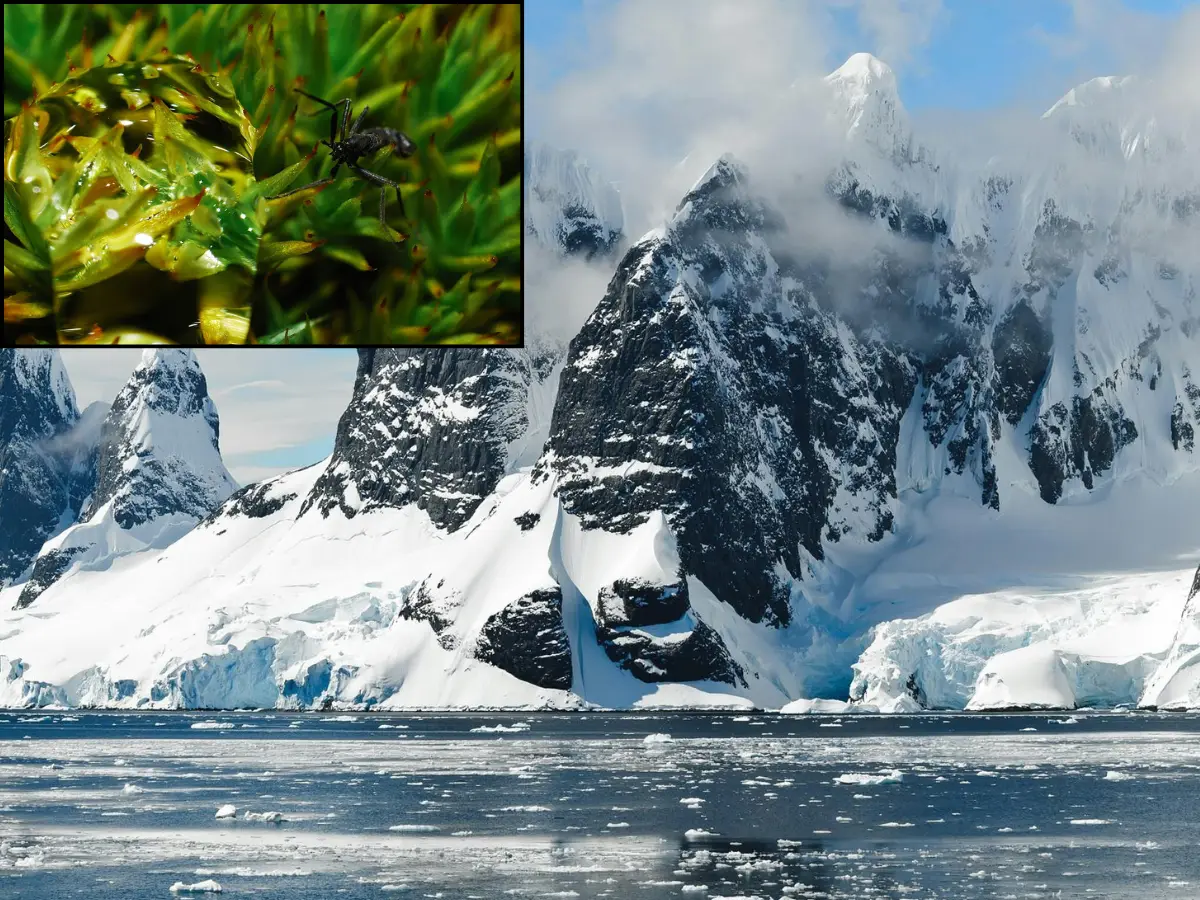
Scientists found tiny pieces of plastic, called microplastics, inside the only bug that lives in Antarctica.
This bug is a small fly called Belgica antarctica, which is about the size of a grain of rice.
It lives in the moss and algae on the ground and helps recycle nutrients in the soil.
The scientists wanted to see if these tiny plastics were affecting the bugs.
They put the bugs in a lab with different amounts of microplastics for 10 days.
The bugs seemed okay, but they only ate the microplastics when there was a lot of it.
This is worrying because it shows that even the most remote places on Earth, like Antarctica, are being affected by plastic pollution.
The scientists think that even though Antarctica has less plastic than other places, the plastic is still getting into the environment and might be harming the bugs.

Microplastics found in the only insect species native to Antarctica, Belgica antarctica.
Study published in Science of the Total Environment reveals microplastics inside the small flies.
Researchers exposed midges to varying levels of microplastics in a lab for 10 days.
Midges' metabolism remained unchanged, but they only fed on microplastics at high concentrations.
Scientists express concern about the increasing levels of pollution in Antarctica.
- Who
- Scientists led by Jack Devlin, University of Kentucky
- What
- Discovery of microplastics in Antarctic midges (Belgica antarctica)
- When
- Study published in Science of the Total Environment (exact date not specified)
- Where
- Antarctica, specifically in the midges' habitat of moss and algae
- Why
- To understand the impact of microplastics on the only insect species native to Antarctica
- Species
- Belgica antarctica (small fly/midge)
- Size
- About the size of a grain of rice
- Habitat
- Moss and algae in Antarctic soil
- Study Source
- Science of the Total Environment
- Lead Researcher
- Jack Devlin, University of Kentucky
- Microplastic Exposure Duration
- 10 days in lab
- Microplastic Feeding Observation
- Only at highest concentration levels