

Archive · 4 Nov 2025
Japan's CODA Warns OpenAI Over Unauthorized Use of Copyrighted Art for AI Training
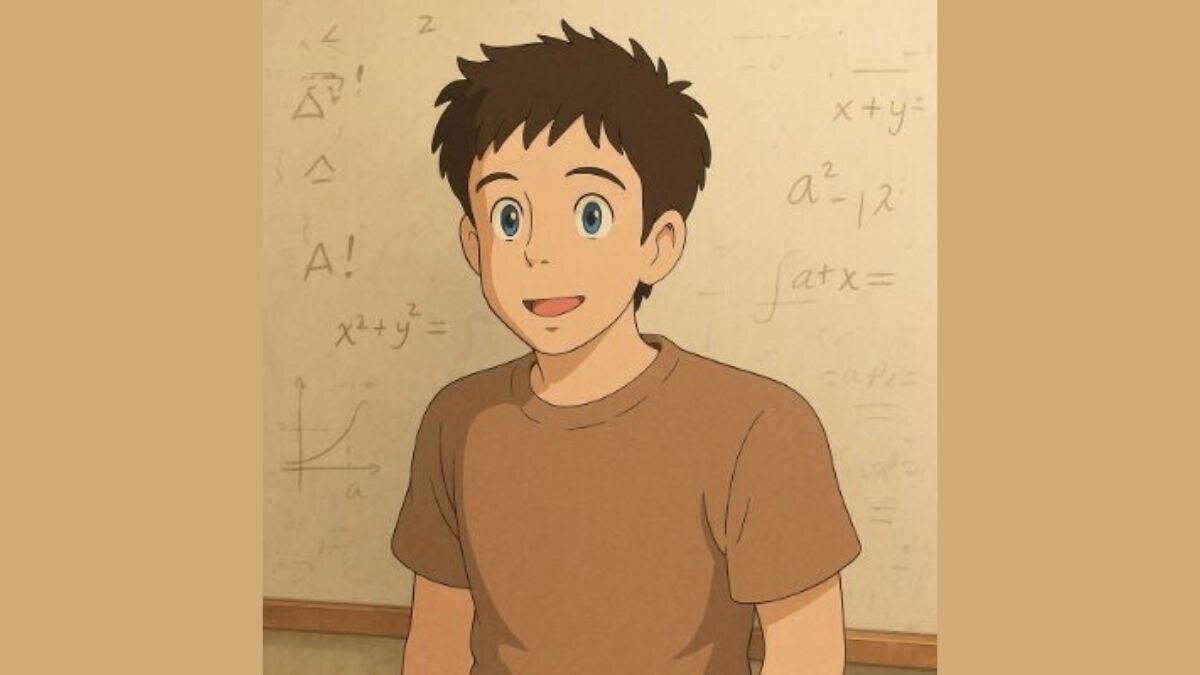
Imagine artists create amazing drawings and movies that have a very special style.
A computer program called AI can learn by looking at these creations.
A group in Japan, including famous animators like Studio Ghibli, has told a company called OpenAI that they think its AI is learning from their art without asking permission.
They found that pictures and videos made by OpenAI's AI look very similar to their unique style.
The Japanese group believes this is like copying their art, which isn't allowed unless they say it's okay first.
OpenAI has a different rule where artists have to say 'no' if they don't want their art used.
The Japanese group says this is the wrong way around and they need to ask 'yes' before using art.
This disagreement is part of a bigger discussion happening around the world about how AI companies use people's creations.

Japan’s CODA, representing Studio Ghibli and other publishers, has warned OpenAI about allegedly using Japanese copyrighted content to train its AI models, including Sora 2.
CODA demands that OpenAI cease using Japanese material without permission and comply with Japan's copyright system requiring prior consent.
The dispute centers on OpenAI's opt-out policy versus Japan's requirement for explicit prior consent for using copyrighted works in AI training.
Concerns have been raised by AI image generators mimicking Studio Ghibli's distinct style and Sora 2 outputs resembling Japanese content.
This controversy occurs amidst global scrutiny of AI companies regarding data usage, copyright protection, and potential infringement, with similar accusations faced by OpenAI elsewhere.
- Who
- Japan’s Content Overseas Distribution Association (CODA), representing Studio Ghibli and other Japanese publishers, and OpenAI.
- What
- CODA has warned OpenAI over the alleged use of Japanese copyrighted creative content to train its AI models, particularly Sora 2, and is demanding that OpenAI stop this practice and comply with Japan's copyright consent requirements.
- When
- Recent (following the trend of 'Ghibli-style' AI art earlier this year and the development of Sora 2).
- Where
- Japan and globally, concerning AI development and copyright practices.
- Why
- To protect Japanese copyrighted works from unauthorized use in AI training, prevent copyright infringement by AI outputs, and ensure OpenAI adheres to Japan's copyright system that requires prior consent.
CODA (Representing Studio Ghibli and other Japanese publishers)
OpenAI
Use of Copyrighted Material for AI Training
CODA (Representing Studio Ghibli and other Japanese publishers)
Asserts that OpenAI has used Japanese copyrighted content without permission to train its AI models, particularly Sora 2, and that outputs closely resemble Japanese material. Demands an immediate cessation of such use and adherence to Japan's prior consent copyright system.
OpenAI
Operates under an opt-out copyright policy, requiring creators to explicitly request their works not be used for AI training, which is applied to both ChatGPT and Sora platforms. Implies that Japanese content could be used if not opted out.
Copyright Consent Mechanism
CODA (Representing Studio Ghibli and other Japanese publishers)
Argues that OpenAI's opt-out policy conflicts with Japan's copyright system, which requires prior consent before material can be used for AI training.
OpenAI
Maintains that its opt-out policy is sufficient, allowing creators to prevent their works from being used if they actively opt out.
- Organization Leading the Effort
- Japan’s Content Overseas Distribution Association (CODA)
- Entities Represented by CODA
- Studio Ghibli and other major Japanese publishers
- Company Addressed
- OpenAI
- Core Complaint
- Unauthorized use of Japanese creative content, including art and images, to train AI models, especially Sora 2.
- Specific Concern for Studio Ghibli
- AI image generators mimicking its distinct artistic style and Sora 2 outputs closely resembling Japanese content.
- OpenAI's Policy
- Opt-out copyright policy where creators must request non-use of their work for AI training.
- Japanese Copyright Law Stance
- Requires prior consent from copyright holders before material can be used.
- Related Issue
- Sora iOS app allegedly allows generation of videos with copyrighted characters like SpongeBob SquarePants.
